






















How to Build a Crypto Token That Delivers Real Utility
Crypto token Development

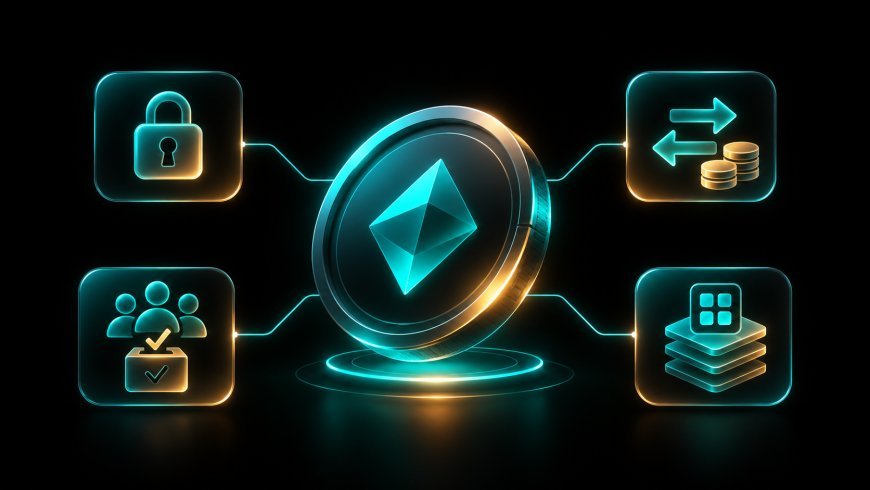
The success of a crypto token depends on more than its blockchain technology or market value. A token must provide practical benefits that encourage people to use it regularly. Whether it supports payments, governance, rewards, decentralized finance, or digital asset ownership, its utility should solve a genuine problem within its ecosystem.
Businesses entering the Web3 space need to focus on creating tokens with clear purposes, sustainable tokenomics, and reliable technical infrastructure. A well-planned token development process helps transform an initial concept into a functional digital asset that supports long-term ecosystem growth.
Here are the essential steps to build a crypto token that delivers real utility.
1. Identify a Real-World Problem to Solve
Every successful utility token starts with a clear purpose. Before beginning development, businesses should identify the problem their token will address. A token should not exist simply because blockchain technology makes its creation possible.
For example, a decentralized platform may use tokens to reward contributors, while a gaming ecosystem may introduce tokens for purchasing digital assets. Similarly, a DeFi platform can use tokens for governance or accessing specific financial services.
Understanding the target audience, market demand, and existing challenges helps define the token's actual purpose. This approach creates a stronger foundation for token development and encourages meaningful participation.
2. Define the Token's Core Utility
Once the problem is identified, determine how the token will provide value to its users. Token utility should be connected to the platform's primary functions rather than relying entirely on speculative demand.
Some common token utilities include:
-
Payment Utility: Users can pay for products, services, or platform transactions.
-
Governance Utility: Token holders can participate in protocol decisions.
-
Reward Utility: Users receive tokens for completing specific activities.
-
Access Utility: Tokens provide access to premium features or services.
-
Staking Utility: Users can stake tokens to participate in network mechanisms and potentially earn protocol-defined rewards.
A clearly defined utility gives users a practical reason to acquire and hold tokens.
3. Choose the Right Blockchain Network
Blockchain selection directly affects token performance, transaction costs, security, and ecosystem compatibility. Businesses should compare available networks before starting development.
Ethereum supports widely adopted token standards such as ERC-20 and ERC-721. BNB Chain offers compatibility with Ethereum development tools and an established decentralized application ecosystem. Solana provides a different development environment designed for high-throughput applications.
The right network depends on transaction volume, target users, wallet compatibility, developer resources, and scalability requirements. Selecting suitable blockchain infrastructure helps ensure that the token supports its intended functionality.
4. Design Sustainable Tokenomics
Tokenomics determines how a crypto token is created, distributed, allocated, and used within its ecosystem. Poor tokenomics can create supply imbalances, excessive selling pressure, and reduced user participation.
A sustainable tokenomics model should define:
-
Total token supply and issuance rules.
-
Allocation for founders, investors, and communities.
-
Vesting schedules and lockup periods.
-
Token distribution and circulation plans.
-
Utility-based demand mechanisms.
-
Governance and treasury allocation.
For example, a project may reserve a portion of its supply for community rewards while distributing other allocations through predefined vesting schedules.
A crypto token development company can help design tokenomics that align economic incentives with the project's long-term objectives.
5. Develop Secure Smart Contracts
Smart contracts control how tokens operate on a blockchain. They define important functions such as transfers, balances, minting, burning, and access permissions.
Developers should select an appropriate token standard based on the project's requirements. ERC-20 is commonly used for fungible tokens, while ERC-721 and ERC-1155 support NFT-based use cases.
Smart contracts should undergo testing to identify coding errors, permission issues, and potential vulnerabilities. Independent security audits can provide additional assurance before deployment.
A secure contract architecture helps protect users and supports the reliable operation of token-based applications.
6. Integrate the Token Into a Functional Ecosystem
A token becomes more useful when people can interact with it through practical applications. Businesses should integrate tokens into their platforms rather than treating them as standalone digital assets.
Depending on the project, integrations may include:
-
Crypto wallets for storing and transferring tokens.
-
DeFi applications for lending, borrowing, or staking.
-
Marketplaces for purchasing digital assets.
-
DAO platforms for community governance.
-
Payment systems for token-based transactions.
-
Gaming platforms for in-game purchases and rewards.
These integrations create opportunities for regular token usage and improve the overall user experience.
7. Build a Community Around Token Utility
Community participation plays an important role in developing a sustainable token ecosystem. However, community growth should focus on educating users about the token's actual purpose instead of creating artificial demand.
Businesses can publish educational content, organize community discussions, introduce product demonstrations, and explain token-related activities. Clear communication about token supply, distribution, governance, and risks also helps establish trust.
A strong community understands why the token exists and how it contributes to the platform.
8. Monitor Token Performance and Improve Its Utility
Token development does not end after deployment. Businesses should continuously monitor how users interact with the token and identify opportunities for improvement.
Important performance indicators include active token holders, transaction volume, wallet activity, staking participation, and utility-related transactions. These metrics help project teams understand whether the token is being used for its intended purpose.
Based on user feedback and ecosystem performance, businesses can improve platform integrations, introduce additional utilities, or refine governance mechanisms where the contract architecture and applicable rules permit.
Conclusion
Building a crypto token that delivers real utility requires a combination of business planning, blockchain expertise, sustainable tokenomics, and secure smart contract development. Projects should prioritize genuine user needs instead of focusing only on token distribution or market speculation.
From identifying a practical use case to integrating the token into a functional ecosystem, every development decision influences its long-term value. Partnering with an experienced token development company can help businesses plan, build, test, and deploy tokens that support meaningful Web3 applications.
The ultimate goal is to create a token that people have a genuine reason to use, making utility the foundation of sustainable ecosystem growth.
What's Your Reaction?
 Like
0
 Dislike
0
 Love
0
 Funny
0
 Angry
0
 Sad
0
 Wow
0