





















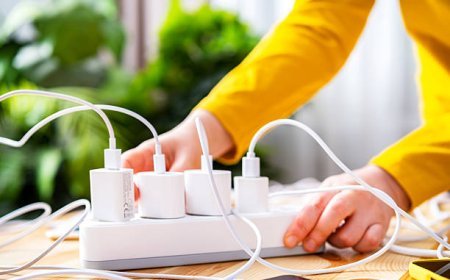






How to Organize Chargers and Cables for a Multi-Device Household
Shop wireless earbuds in Pakistan at Mobile Geeks. Explore genuine Bluetooth earbuds with quality sound, reliable battery life, and modern features at competitive prices for everyday listening.

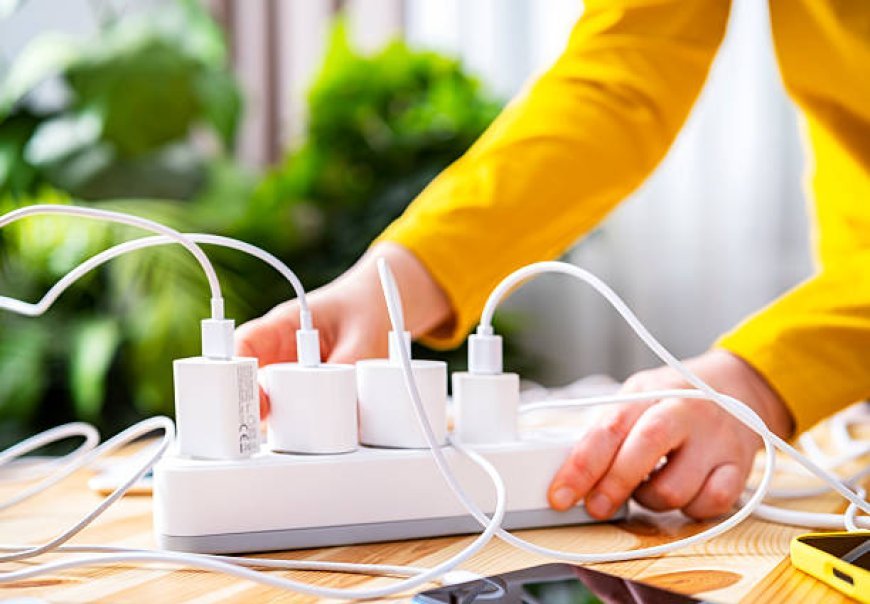
A multi-device household can quickly become overwhelmed by chargers, cables, adapters, and power strips. Phones, tablets, earbuds, watches, laptops, and gaming devices often need different charging solutions. Without a system, finding the correct cable becomes frustrating during busy mornings. Therefore, organizing charging equipment can save time and reduce unnecessary clutter. A simple setup also protects cables from damage and keeps shared spaces tidy. Moreover, labeling chargers helps family members return them after use. The goal is not to own fewer cables. Instead, the goal is to give every charger a clear purpose and location.
Start by collecting every charger and cable from around the house. Check bedrooms, desks, drawers, bags, vehicles, and entertainment areas. Then, group items according to their device, connector, and charging requirements. For example, separate USB-C cables from Lightning and Micro-USB cables. Next, remove damaged cables and outdated adapters that no longer serve useful devices. This process creates a clear inventory before you buy organizers. It also prevents duplicate purchases caused by misplaced equipment. Additionally, inspect each cable for fraying, exposed wires, or damaged connectors. Replace unsafe cables rather than continuing to use them. A quick inventory makes the entire organization process easier and more efficient.
Create a Dedicated Charging Station
A central charging station can become the heart of your household organization system. Choose a convenient location near a wall outlet and away from heavy foot traffic. A desk, shelf, side table, or kitchen counter can work well. For example, a Samsung 2 Pin 25W PD Adapter Type C can serve compatible devices within the station. Keep commonly used charging equipment together instead of spreading it across different rooms. Use a small tray, charging box, or cable organizer to contain everything. Then, position power adapters where family members can access them easily. Avoid creating tangled cable piles around the outlet. Instead, route cables through clips or cable channels. This setup makes daily charging faster while keeping the surrounding area cleaner and safer.
Give Every Cable a Specific Home
Every frequently used cable should have a designated storage position. Cable clips work well for chargers that remain connected to a charging station. Small storage boxes work better for spare cables and travel accessories. Use separate compartments for different connector types whenever possible. You can also label compartments with simple descriptions. Examples include “USB-C,” “watch,” “tablet,” and “backup.” This approach reduces confusion when several cables look almost identical. Additionally, keep longer cables separate from shorter ones. Long cables can create unnecessary clutter when used beside a bed or desk. Store rarely used cables in a separate container. Consequently, your everyday charging area remains simple and easy to maintain.
Label Chargers and Cables Clearly
Labeling becomes especially useful when several household members use similar devices. A simple label can identify the cable's purpose within seconds. You can use small tags, colored bands, or reusable cable markers. Avoid relying only on cable color because manufacturers use many similar shades. Instead, combine colors with clear text for better identification. For example, mark one cable “tablet” and another “phone.” You can also label power adapters according to their intended devices. This method prevents accidental charger swaps between family members. Furthermore, labeling makes shared charging stations easier for children and guests. Keep labels small enough to avoid interfering with connectors. Replace damaged labels when they become difficult to read. Over time, this simple habit can significantly reduce household charging confusion.
Protect Cables From Damage
Good organization should also extend the lifespan of your charging equipment. Tight bends can weaken cables near their connectors. Therefore, avoid wrapping cables tightly around power adapters. Instead, use loose loops and reusable Velcro straps. Never pull a cable from the connector by gripping the wire. Hold the plug firmly when disconnecting it from a device. Additionally, avoid placing heavy objects over charging cables. Repeated pressure can damage internal wiring and protective insulation. Keep cables away from heat sources whenever possible. High temperatures can affect certain materials and reduce component lifespan. Inspect frequently used cables every few weeks. Replace any cable showing exposed wiring, severe fraying, or damaged connectors. Safe storage protects both your equipment and your household.
Manage Different Charging Standards
Modern households often contain devices using different connectors and charging technologies. USB-C has become increasingly common across phones, tablets, earbuds, and other electronics. However, older devices may still use different connectors. Therefore, identifying each device's charging requirement helps prevent unnecessary cable purchases. Check the manufacturer's recommended charger before connecting unfamiliar equipment. Power ratings also matter when selecting compatible adapters. A charger with higher wattage does not automatically force excessive power into every device. Compatible devices typically manage the power they receive. Nevertheless, use reputable chargers that meet appropriate safety standards. Avoid unknown adapters with questionable construction or specifications. Keep high-power laptop chargers separate from basic phone accessories. This distinction makes your charging station easier to understand and manage.
Create Separate Areas for Daily and Occasional Use
Not every charging accessory needs to remain within your primary charging station. Separate daily-use equipment from travel chargers and backup accessories. Keep frequently used cables within easy reach. Store backup equipment in labeled containers or drawers. Create another small kit for travel purposes. That kit can include a charger, cable, power bank, and necessary adapters. Keeping travel equipment together prevents last-minute packing problems. Similarly, store seasonal or rarely used accessories away from your everyday setup. This separation reduces visual clutter without limiting access. Review these storage areas every few months. Remove cables for devices that your household no longer owns. Also, donate usable accessories when appropriate. A smaller inventory becomes much easier to organize and maintain.
Build a Simple Family Charging Routine
Organization works best when everyone follows the same basic routine. Encourage family members to return chargers after completing their charging sessions. Assign specific spaces for shared cables and adapters. If multiple people need charging simultaneously, use a suitable multi-port solution. Avoid overloading power strips beyond their intended capacity. Keep charging areas ventilated and away from liquids. Also, discourage charging cables from crossing walkways or doorways. These small habits reduce clutter and potential safety problems. A short weekly check can keep the system organized. During this check, return misplaced cables and remove unnecessary items. Replace damaged accessories before they become urgent problems. With consistent habits, maintaining a tidy charging station takes only a few minutes.
Make Your Charging Setup Future-Ready
Technology changes quickly, so your organization system should remain flexible. New devices may introduce different connectors, charging speeds, and power requirements. Therefore, avoid buying large quantities of one cable type unnecessarily. Instead, maintain a practical selection based on your household's current devices. Choose organizers with adjustable compartments when possible. These systems can accommodate new chargers without requiring complete reorganization. Keep a small reserve of reliable cables for unexpected replacements. However, avoid storing excessive duplicates that rarely get used. Review your charging inventory whenever someone upgrades a major device. Remove accessories that have become obsolete or incompatible. This approach keeps your collection useful without allowing clutter to return. A flexible system also makes future technology upgrades easier to manage.
Conclusion
Organizing chargers and cables can make a busy household noticeably more efficient. Start by collecting, sorting, labeling, and inspecting every charging accessory. Then, create a dedicated station for everyday charging needs. Use clips, trays, labels, and separate storage areas to control cable clutter. Protect cables from sharp bends, heat, pressure, and unnecessary pulling. Finally, establish simple household rules for returning equipment after use. With these practical steps, every charger can have a clear purpose and location. A well-organized charging system saves time while keeping your home cleaner and more manageable.
What's Your Reaction?
 Like
0
Like
0
 Dislike
0
Dislike
0
 Love
0
Love
0
 Funny
0
Funny
0
 Angry
0
Angry
0
 Sad
0
Sad
0
 Wow
0
Wow
0