




















Important Things to Consider Before Expanding Your Living Space
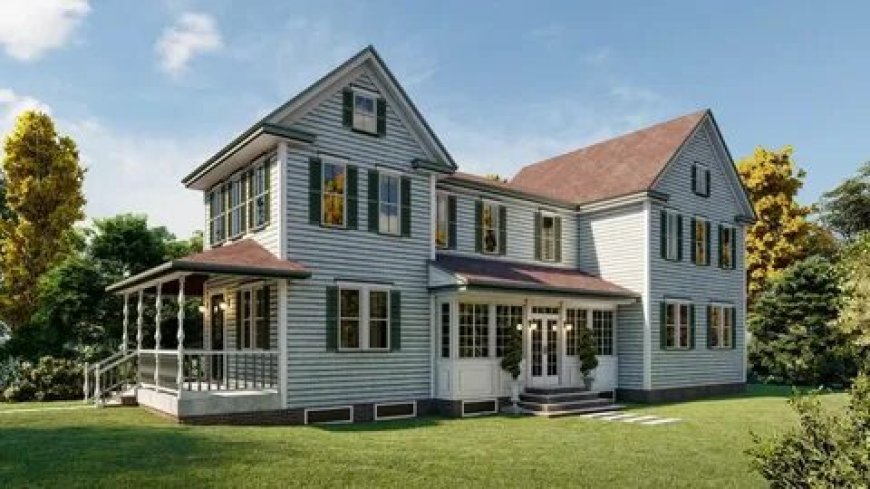
A home should have enough room for the people who live in it and the activities that make everyday life enjoyable. However, families grow, routines change, and new needs can make a once-comfortable property feel crowded. Perhaps you need an extra bedroom, a larger kitchen, a quiet home office, or more space for visiting relatives. Expanding your home can be an exciting way to create the room you need without leaving a neighborhood you already love.
Planning Home Additions Hampstead, NC projects requires more than deciding how many rooms to add. You also need to consider your property's layout, available space, budget, local requirements, and long-term plans. A well-designed addition should feel like a natural part of your existing home while improving the way you use it. Taking time to think through these details can help you avoid unnecessary complications and make the project more rewarding.
1. Identify Why You Need More Space
Before discussing designs or construction plans, think about what is missing from your current home. Understanding the reason for expanding will help you choose a layout that genuinely improves daily life.
For example, a growing family may need another bedroom or bathroom. Someone working remotely might benefit from a dedicated office, while homeowners who enjoy entertaining may prefer a larger dining or living area. If storage is the main concern, a carefully planned utility room or additional storage space could be more useful than a large new room.
Make a list of your household's current needs and consider how they might change over the next several years. This will help you avoid creating a space that looks attractive but does not serve a practical purpose.
2. Evaluate Your Existing Property
Every property has different possibilities and limitations. The available yard space, existing structure, roofline, foundation, and location of utilities can all influence the type of addition that is practical.
Walk around your home and consider where an extension could fit without making outdoor areas feel cramped. Think about access to the new space, the amount of natural light it will receive, and how it will connect with existing rooms.
It is also important to understand the condition of your current property. Older foundations, roofing, plumbing, or electrical systems may need attention before additional space can be built. Identifying these concerns early can make planning more straightforward.
3. Choose an Addition That Matches Your Lifestyle
There are many ways to expand a home, but the best option depends on how you want to use the extra space. A new bedroom may provide privacy for family members, while a sunroom can create a relaxing place to enjoy natural light. A larger kitchen might make cooking and family gatherings more comfortable.
Think beyond the immediate purpose of the room. A flexible space that can serve different needs over time may offer greater long-term value. For instance, a playroom could eventually become a study area or guest room.
The design should also reflect your everyday habits. Consider furniture placement, storage, movement between rooms, and convenient access to bathrooms or outdoor areas. These details can make a new addition feel comfortable from the beginning.
4. Set a Realistic Budget
Budget planning is one of the most important parts of any home expansion. Construction costs can vary depending on the size of the project, materials, labor, structural requirements, and design complexity.
Start by deciding how much you can comfortably invest. Then discuss your ideas with a qualified professional who can help you understand the likely costs. Ask for a clear estimate that explains the work included, material allowances, labor, and other expected expenses.
It is also sensible to keep additional funds available for unexpected conditions. During construction, contractors may discover issues that were not visible during the initial inspection. Having a financial cushion can help you manage these situations without putting the entire project under pressure.
If your preferred design exceeds your budget, consider adjusting the size, selecting alternative materials, or completing certain improvements in stages.
5. Work With Experienced Construction Professionals
A home addition involves several connected tasks, including design coordination, structural planning, material selection, and construction. Professional guidance can help ensure that these elements work together rather than becoming separate problems.
When comparing contractors, look for relevant experience, clear communication, and a willingness to explain the process. Ask about previous projects, estimated timelines, payment arrangements, and how unexpected changes are handled. It is also helpful to review references and confirm that the professional understands the type of addition you have in mind.
Homeowners researching construction support may consider Maxwell Construction LLC as part of their search for assistance with residential improvement projects. Whichever professional you choose, make sure expectations are discussed clearly before work begins. A written agreement outlining the scope of work, costs, materials, and schedule can help prevent misunderstandings.
6. Understand Local Permits and Building Requirements
Construction rules should never be treated as an afterthought. Depending on the project, you may need permits, inspections, or approvals before work can begin. Requirements can relate to structural safety, electrical systems, plumbing, property boundaries, drainage, and other building standards.
In Hampstead and the surrounding area, homeowners should check the applicable requirements with the relevant local authorities before starting construction. Property-specific restrictions, including setbacks or community rules, may also affect where and how an addition can be built.
A knowledgeable contractor can help you understand which approvals may be needed and coordinate the appropriate steps. Confirming these details early can reduce the risk of delays, unexpected expenses, or problems during inspections.
7. Make the New Space Blend With Your Home
A successful addition should look and feel as though it belongs to the original property. Differences in exterior materials, roof design, window styles, and interior finishes can make an extension appear disconnected if they are not considered carefully.
Try to maintain a consistent design language while allowing the new space to meet your needs. Matching or complementing existing flooring, trim, colors, and architectural details can create a smoother transition between old and new areas.
Natural light is another important consideration. Well-placed windows, suitable lighting fixtures, and thoughtful room orientation can make the addition feel open and inviting. Pay attention to ventilation and insulation too, so the new area remains comfortable throughout the year.
8. Think About Energy Efficiency and Maintenance
Adding more square footage can affect household energy use. That is why it is worth considering efficiency during the design stage rather than trying to address everything after construction.
Good insulation, properly installed windows, efficient lighting, and suitable heating and cooling arrangements can support indoor comfort. You should also consider how the new space will connect to existing systems and whether those systems have enough capacity.
Choose durable materials that suit the local climate and are reasonably easy to maintain. Quality construction and sensible material choices can reduce future repair needs and help protect your investment.
9. Prepare for the Construction Process
Even a carefully planned project can temporarily disrupt everyday routines. Depending on the size and location of the addition, you may experience noise, dust, limited access to certain rooms, or changes to parking and outdoor areas.
Ask your contractor what to expect at each stage and how the work area will be separated from the rest of the property. Discuss working hours, site cleanliness, material deliveries, and communication about schedule changes.
If construction affects important parts of your home, make temporary arrangements for cooking, working, or accessing particular rooms. A little preparation can make the experience less stressful for everyone.
Build More Room for the Life You Want
Expanding your home is an opportunity to make your property more comfortable, useful, and adaptable. The right addition should solve a real problem while complementing the home's existing design and supporting your future plans.
By identifying your needs, evaluating your property, setting a realistic budget, and working with experienced professionals, you can approach the project with greater confidence. Careful attention to permits, materials, energy efficiency, and construction planning can also help create a space that feels like it has always belonged in your home. With the right preparation, your new living area can become a valuable part of your family's everyday life.
What's Your Reaction?
 Like
0
 Dislike
0
 Love
0
 Funny
0
 Angry
0
 Sad
0
 Wow
0