























Mexico Diesel Generators Market: Power Reliability Ahead
The Mexico Diesel Generators Market size was valued at around USD 330 Million in 2023 and is estimated to grow at a CAGR of around 4.8% during the forecast period, i.e., 2024-30.

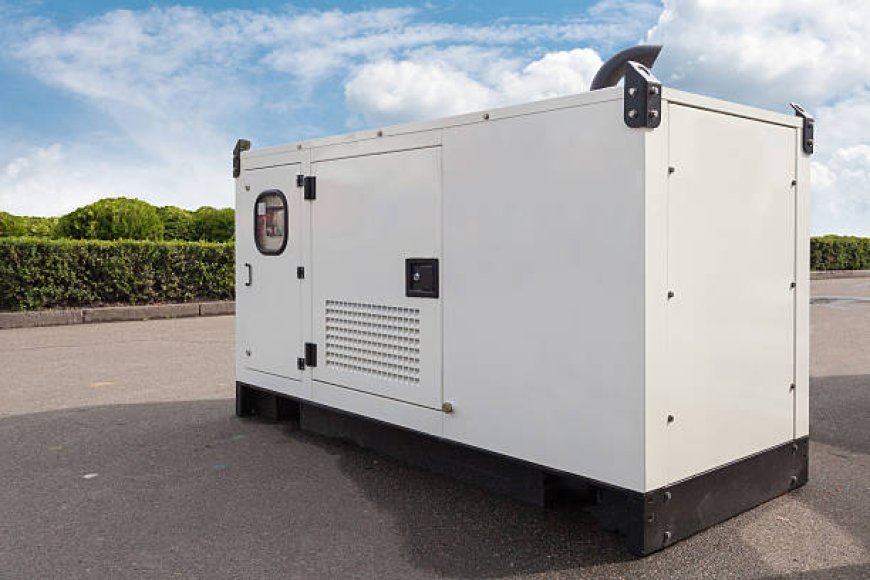
Reliable electricity is increasingly important for businesses and essential facilities that depend on continuous operations. Manufacturing plants, healthcare facilities, commercial buildings, construction sites, telecommunications infrastructure, and other energy-intensive operations require dependable backup power when grid supply becomes unstable. Diesel-powered generation remains relevant because it can provide electricity independently of the main grid and support operations during interruptions or periods of constrained supply.
The Mexico Diesel Generators Market covers diesel-fueled generator systems used for standby, prime, and continuous power requirements across commercial, industrial, and residential applications. The sector is shaped by electricity reliability, industrial development, infrastructure investment, and the need for operational continuity. The diesel backup power solutions landscape in Mexico is also being influenced by the gradual integration of renewable energy and changing environmental considerations.
Markntel Advisor identifies industrial infrastructure expansion and rising energy requirements as important factors supporting demand for diesel generator systems in Mexico. As businesses expand their facilities and power-intensive activities increase, reliable secondary electricity sources can help reduce the operational effects of grid interruptions. At the same time, organizations are evaluating how conventional generator systems can complement broader energy strategies rather than operate as isolated power assets.
Industrial Expansion Supports Backup Power Demand
Industrial development is closely connected with electricity demand because manufacturing, mining, construction, oil and gas, and other activities require stable power for machinery, control systems, lighting, and safety equipment. Where grid reliability is insufficient for critical processes, generator systems can provide an additional layer of power resilience. Their ability to operate independently of the primary electricity network makes them relevant for facilities where unexpected downtime can interrupt production schedules or essential services.
Commercial facilities represent another important area of application. Offices, retail properties, hospitality facilities, healthcare buildings, and other commercial establishments may depend on backup electricity to maintain lighting, communications, refrigeration, security, elevators, and digital infrastructure. As commercial activity becomes increasingly dependent on connected equipment and uninterrupted services, power continuity can become an operational requirement rather than simply a convenience.
Grid Modernization Changes the Reliability Landscape
Mexico is also investing in electricity-network modernization, creating a changing environment for backup power technologies. The International Energy Agency reports that Mexico's national transmission strengthening and expansion plan includes new transmission lines and electrical substations intended to improve electricity coverage, reliability, and capacity. Such infrastructure improvements may gradually strengthen grid resilience while businesses continue using backup systems as part of their continuity planning. IEA analysis of Mexico's transmission plan provides additional context on these infrastructure developments.
Power reliability also becomes more important during periods of extreme weather and elevated electricity demand. The IEA has highlighted how heatwaves and reduced hydropower generation contributed to supply tightness in Mexico during periods of high demand. These conditions demonstrate why businesses with critical electricity requirements may consider multiple layers of resilience, including grid improvements, energy storage, distributed generation, and conventional backup equipment.
Renewable Integration Creates New System Roles
The relationship between diesel generators and renewable energy is evolving. Solar and wind generation can reduce dependence on conventional electricity sources, but their variable output can create periods when additional flexibility is required. Generator systems can potentially operate alongside renewable installations to provide backup capacity when renewable production is insufficient. Hybrid configurations can therefore become part of broader energy-management strategies, particularly for remote facilities and operations where grid connectivity is limited or reliability requirements are high.
Smart controls can further change how generator systems are used. Automated switching, remote monitoring, load management, and integration with energy-storage technologies can help operators coordinate multiple electricity resources. Instead of running generators continuously, an integrated system can use available renewable generation or stored electricity when conditions permit and activate backup generation when additional capacity is required. This approach can support operational flexibility while reducing unnecessary generator operating hours.
Environmental Requirements Influence Technology Choices
Environmental considerations are becoming increasingly relevant for diesel-powered equipment. Diesel engines produce pollutants that can create regulatory and environmental concerns, encouraging equipment users to consider cleaner technologies and more efficient operating practices. Mexico's regulatory environment is also evolving. For example, the government published NOM-174-SEMARNAT-2026 to establish emission limits for certain new diesel engines used in non-road mobile machinery, illustrating the broader direction toward tighter emissions controls. Mexico's environmental regulation update provides details on the measure.
For generator users, environmental requirements can influence equipment selection, maintenance practices, fuel efficiency, and technology integration. Although specific regulations may differ according to equipment category and application, businesses increasingly need to consider both power requirements and environmental compliance when planning backup-generation infrastructure. This creates space for higher-efficiency generators, hybrid systems, cleaner fuels, and technologies that coordinate conventional generation with renewable electricity.
Applications Continue Across Diverse End Users
Demand for dependable backup electricity is distributed across several end-user groups. Industrial facilities may require generator systems to protect production processes, while commercial buildings can use them to maintain essential services during interruptions. Residential users may also rely on smaller systems where power disruptions affect household activities. Telecommunications infrastructure, healthcare facilities, construction projects, mining operations, and other applications can have distinct requirements based on load characteristics, operating environments, and the duration of backup power needed.
Power-rating requirements similarly vary according to application. Smaller systems can serve limited residential or commercial loads, while larger installations are designed for industrial facilities and other operations with substantial electricity requirements. Selecting an appropriate system involves considering connected load, starting requirements, operating duration, fuel availability, maintenance requirements, installation conditions, and the role of the generator within the wider electricity architecture.
Future Direction of Backup Power Systems
The outlook for diesel-based generation in Mexico will depend on the interaction between industrial electricity demand, grid modernization, environmental requirements, renewable-energy deployment, and the growing need for operational resilience. Diesel generators are likely to remain relevant where dependable backup power is required, but their role may increasingly shift toward flexible and integrated applications. Hybrid generation, energy storage, digital controls, and renewable integration can gradually reshape how backup electricity is planned and managed.
Overall, Mexico's backup-power landscape is moving toward a more integrated energy environment. Industrial and commercial users continue to prioritize electricity continuity, while grid investment and environmental policies are changing the conditions under which generator systems operate. Future adoption will therefore depend not only on the availability of reliable diesel equipment, but also on how effectively generator technologies can work alongside renewable generation, storage systems, smart controls, and increasingly resilient electricity infrastructure.
What's Your Reaction?
 Like
0
Like
0
 Dislike
0
Dislike
0
 Love
0
Love
0
 Funny
0
Funny
0
 Angry
0
Angry
0
 Sad
0
Sad
0
 Wow
0
Wow
0