

























Planning a Home Heating Upgrade: Key Factors Homeowners Should Understand
Explore the Boiler Upgrade Scheme, eligibility requirements, low-carbon heating options, available grants, and key costs to plan an efficient home heating upgrade.

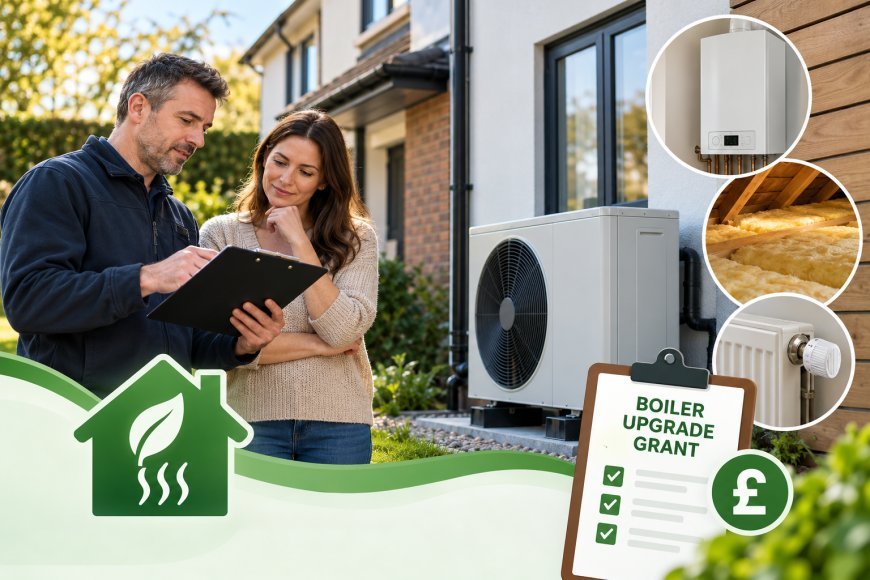
A reliable heating system plays an important role in maintaining comfort throughout the colder months. However, older heating equipment may become less efficient over time, leading to increased maintenance requirements, uneven temperatures and higher energy consumption.
For homeowners considering a more energy-efficient heating solution, understanding available financial assistance can make the planning process easier. The boiler upgrade scheme offers support for eligible homeowners in England and Wales who want to install certain low-carbon heating technologies.
Before choosing a replacement system, it is important to evaluate the property's heating requirements, insulation levels, installation possibilities and overall budget.
Why Should Homeowners Review Their Existing Heating Systems?
An existing heating system may continue operating for years, but its performance can change as components age. Regular maintenance can help, although some properties may benefit from a more substantial heating improvement.
Several signs may indicate that a heating system needs professional assessment:
-
Uneven heating: Certain rooms take longer to reach comfortable temperatures.
-
Frequent maintenance: The system requires repeated repairs or component replacements.
-
Increasing energy consumption: Heating demand appears high compared with the property's requirements.
-
Outdated equipment: Existing technology may lack modern efficiency features or controls.
-
Changing household needs: Renovations or changes in occupancy may affect heating requirements.
Recognising these factors can help homeowners determine whether repairs, insulation improvements or a complete heating upgrade would be appropriate.
What Financial Support Is Available for Heating Improvements?
Replacing a traditional heating system with low-carbon technology can involve considerable upfront expenditure. Government support may help eligible property owners manage some of these costs.
The boiler upgrade scheme provides grants towards qualifying installations, including certain heat pump systems and biomass boilers. The scheme focuses on supporting a transition towards lower-carbon heating rather than funding routine replacements of conventional fossil-fuel boilers.
Before planning an installation, homeowners should understand:
-
Which types of properties may qualify for assistance
-
What heating technologies are supported
-
How grant funding is incorporated into installation quotations
-
Whether the proposed installer meets certification requirements
-
Which additional expenses remain the homeowner's responsibility
Reviewing these details early can help prevent misunderstandings about funding and installation arrangements.
Which Low-Carbon Heating Options Should Be Considered?
Different heating technologies offer different installation requirements and operating characteristics. Choosing an appropriate system depends on the property and the household's heating needs.
Air Source Heat Pumps
Air source heat pumps collect heat from outdoor air and use it to provide space heating and, where designed for it, hot water.
These systems can work effectively in many residential properties when correctly sized and installed. Their performance depends on factors such as heat loss, radiator capacity and heating system design.
Ground Source Heat Pumps
Ground source heat pumps collect energy from the ground through buried pipework. They may provide efficient heating throughout the year, although installation can require excavation or drilling.
Homeowners should evaluate available outdoor space, ground conditions and potential groundwork costs before selecting this option.
Biomass Heating Systems
Biomass boilers generate heat using qualifying organic fuels, such as wood pellets. They may be suitable for certain properties, particularly where other low-carbon technologies face practical limitations.
However, biomass funding is subject to specific eligibility restrictions, so homeowners should check the current rules before considering this technology.
How Important Is Property Insulation Before an Upgrade?
Insulation is an important consideration when planning an efficient heating system. Even modern equipment may require more energy if a property loses heat rapidly through its roof, walls, windows or floors.
Improving insulation can reduce heating demand and help the chosen system maintain comfortable indoor temperatures.
Homeowners may consider the following measures:
-
Loft insulation: Helps limit heat escaping through the roof.
-
Wall insulation: Can reduce heat loss through suitable cavity or solid walls.
-
Draught-proofing: Helps prevent unnecessary cold air entering around openings.
-
Floor insulation: May reduce heat loss through certain ground-floor constructions.
-
Heating controls: Allow more effective management of indoor temperatures and schedules.
A professional assessment can help identify which improvements are appropriate for the building.
What Should Homeowners Check Before Applying for a Grant?
Understanding eligibility conditions is an essential part of preparing for a heating upgrade.
Not every property or installation qualifies for support, and requirements can vary depending on the selected heating technology.
Important considerations include:
-
Property eligibility: Confirm that the building meets the relevant scheme conditions.
-
Existing heating equipment: Identify the system currently installed and whether the proposed replacement qualifies.
-
Energy performance: Review the property's insulation and heat-loss characteristics.
-
Installer certification: Choose an appropriately certified installer familiar with scheme requirements.
-
Technical suitability: Establish whether the new equipment can provide sufficient heating.
-
Funding arrangements: Confirm the applicable grant and how it affects the quoted installation price.
Working with a qualified installer can help homeowners understand the practical requirements and application process.
What Additional Costs Might Be Involved?
Financial assistance can reduce the initial cost of qualifying heating technology, but it may not cover every expense associated with a project.
The total budget should account for both the heating equipment and any necessary adjustments to the property.
Potential additional expenses include:
-
Upgrading radiators or existing pipework
-
Modifying electrical connections where necessary
-
Improving insulation or draught-proofing
-
Preparing outdoor areas for new equipment
-
Installing suitable heating controls
-
Future servicing and maintenance
Obtaining a detailed quotation can help homeowners understand the complete project cost rather than focusing only on the grant contribution.
How Can Homeowners Choose a Suitable Installation Provider?
Selecting a qualified installer is an important step towards achieving reliable heating performance.
An experienced professional should assess the property before recommending specific equipment. This assessment may include measuring heat loss, reviewing existing radiators and discussing heating preferences.
Homeowners should consider whether the installer:
-
Holds the certification required for the scheme
-
Has experience with the proposed heating technology
-
Provides a clear explanation of equipment specifications
-
Offers an itemised installation quotation
-
Explains maintenance and servicing requirements
-
Confirms responsibilities for the grant application
A transparent consultation can help homeowners compare available options and avoid unnecessary installation complications.
What Are the Long-Term Benefits of Planning a Heating Upgrade?
A carefully planned heating improvement can provide benefits beyond replacing ageing equipment.
When a suitable system is combined with appropriate insulation and controls, homeowners may achieve more consistent indoor temperatures and improved energy performance.
Modern low-carbon heating technologies can also reduce reliance on fossil fuels. However, actual running costs depend on factors such as energy tariffs, system efficiency, property heat loss and household heating habits.
Considering these factors helps homeowners develop realistic expectations about performance, maintenance and long-term expenditure.
Making the Right Decision for Your Home
Upgrading a heating system requires careful consideration of property conditions, available technologies and financial commitments. An appropriate heating solution should provide sufficient warmth while meeting the household's practical requirements.
Government assistance through a boiler upgrade grant may help eligible homeowners reduce the upfront cost of installing qualifying low-carbon heating equipment. Nevertheless, funding eligibility, technical requirements and additional installation expenses should be confirmed before proceeding.
By reviewing their property's energy performance, exploring suitable heating technologies and consulting a certified installer, homeowners can plan improvements that support reliable heating, better efficiency and long-term comfort.
What's Your Reaction?
 Like
0
Like
0
 Dislike
0
Dislike
0
 Love
0
Love
0
 Funny
0
Funny
0
 Angry
0
Angry
0
 Sad
0
Sad
0
 Wow
0
Wow
0