

















Recovery Agent Harassment Complaints in India: How Can Borrowers Protect Their Rights?
Falling behind on loan repayments can be very worrying. You may also face harassing phone calls, inappropriate messaging and even doorstep visits.
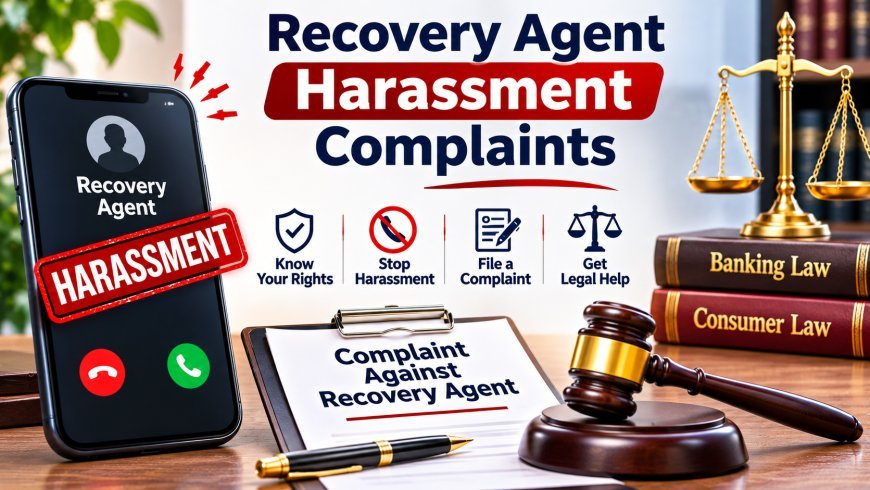
If you wish to raise concerns about recovery agents, you should consider lodging a Recovery Agent Harassment Complaint. Of course, this will need to be done in parallel with repaying the debt. Lenders and their appointed agents are bound by various financial regulation requirements.
It's useful to know what action you can take, and what information to record.
What Is Recovery Agent Harassment?
Recovery agent harassment can include any form of intimidation, degradation or unreasonably aggressive conduct towards a customer to facilitate collection of their outstanding loans. This could be verbal abuse, nuisance calls, violent threats, embarrassment (publicly) and/or releasing confidential loan information.
In the above scenario, where a recovery agent contacts the customer's work and makes baseless representations about arrest and then abuses them on social media following 2 consecutive defaulted EMIs, the customer would likely have grounds to lodge a Bank Recovery Agent Harassment Complaint, regardless of whether they still owe money.
What Do RBI Rules Say About Debt Recovery Calls?
Regulated lenders need to take steps to avoid abusive debt collection activity, as directed by the RBI. In particular, they are prohibited from repeatedly calling a borrower with a threat, falsely representing who they are, or contacting them between 8am-7pm (outside business hours) in respect of an outstanding loan. These rules apply slightly differently to microfinance lending.
Borrowers can of course be contacted to remind them about their debts, but will not tolerate abuse, sharing of confidential information or being told that the 'police' are on their way.
Can the Bank Be Held Responsible for a Collection Agency?
Yes. If a regulated entity (bank or NBFC) outsources collection activity, they remain bound by all relevant RBI guidance with respect to the service provider they have engaged.
Accordingly, you should lodge your complaint with the lending institution, as well as the individual who contacted you. Request the institution to confirm whether the agent had the requisite powers and look into the matter, providing you with feedback in writing.
What Evidence Should You Collect Before Filing a Complaint?
Keep a record of all calls (with date and time), threats, images, email correspondence, proof of payments and letters received. You should also note down the name, contact details, company and loan reference as provided by the debtor.
Be aware of any third parties present at the borrower's house or business. Only keep lawful audio recordings and retain copies of any initial communication. This will form an effective record when lodging a loan harassment complaint.
How Can You Complain to a Bank or NBFC?
Begin your complaint through the Bank/NBFC's designated complaints portal. Provide details of the situation, state which facility and agent you have been dealing with, upload relevant evidence and obtain a complaints ID.
Ask them to look into the matter, cease harassment and ensure confidentiality. Keep a copy of their reply. Do not accept funds to be deposited in any unknown third party's account.
When Can You Escalate the Matter to the RBI Ombudsman?
As per the Reserve Bank-Integrated Ombudsman Scheme 2026 (effective 1st July 2026), a customer of a relevant regulated entity will have to raise their grievance with the lending institution, subject to certain exceptions. Where there is no satisfactory resolution, or the lender fails to address the concern within 30 days or any other relevant timeframe, the customer has the option to escalate to the RBI Ombudsman.
The facility is available without charge at https://cms.rbi.org.in. The complaint should typically be made no later than 90 days after the close of the relevant time-period(s) or the most recent communication from the lender, as applicable. There will also be various eligibility criteria to consider. While an Advocate may be able to assist with drafting, they would not normally be permitted to represent the aggrieved party.
Can You Report Recovery Agent Threats to the Police?
Where there has been any threatening behavior, physical attack, harassment, blackmail, trespass etc., you should consider reporting this to the Police. It is important to detail specific occurrences and provide supporting information where possible. Not all ongoing requests from another party will constitute a crime.
In the event of any perceived danger to yourself, call 999. You can also make a formal complaint to the financial regulator as well as reporting a matter to the Police, as each will consider different aspects of your situation.
What If Loan App Agents Contact Your Friends and Family?
It can take the form of messaging borrowers' contacts, sharing their images or seeking payment from other family members. All such cases should be escalated without delay.
In the case of digital lenders regulated by the RBI, the 2025 Digital Lending Directions stipulate due care around customer data and informing them of any appointed recovery agents. Customers should raise this with their lender, retain relevant screenshot evidence and potentially report to Cyber Crime. This will vary depending on whether the lender is licensed or operating illegally.
Can a Recovery Agent Seize Your Vehicle or Property?
Where there is a default on a secured facility, certain powers will be available to the lender. That said, agents should not resort to self-help measures or bypass the relevant legal requirements for repossessing collateral.
Where a car has been 'repossessed' by duress, or a home at risk of being sold, it is important to take immediate steps to review the terms of the finance and any correspondence received, as well as explore what courses of action lie open. In some cases, proceedings may need to be commenced prior to the Courts or Debt Recovery Tribunals.
Does a Harassment Complaint Cancel Your Loan?
No. You cannot dispute how your debt is being collected and thereby avoid paying the principal, interest etc. due and owing under your agreement, nor preclude any subsequent action.
Should you find that you are struggling to make payments, seek a formal repayment schedule, variation of terms or (if applicable) OTS from the creditor. Be cautious of representations made by third parties and always ensure you have documentation evidencing any payment made.
Why Can Professional Legal Guidance Make a Difference?
They can advise on what constitutes an abuse versus a valid recovery letter, scrutinise relevant correspondence and prepare a focused letter. They may be able to point additional courses of action if the borrower faces e.g. asset repossessions, online harassment or litigation.
This will be particularly useful where the borrower is uncertain about their position, including receiving mixed messages, worrying about their employment or unsure who has the right to contact them. Of course this is to reach an appropriate resolution and avoid paying an undue sum.
Frequently Asked Questions
1. Are there restrictions on when recovery agents can phone me?
With some exceptions, the applicable RBI guidelines will prevent any recovery action via telephone between 8am-7pm. You should record these calls and raise a grievance with your bank if this occurs.
2. Will the recovery team falsely claim they have the power of the Police?
There is no basis for them to purport to exercise the powers of the Police to compel repayment. Record any such communications and lodge a report with the Police if required.
3. Who should I approach with my initial complaint?
Your first port of call is likely the Complaints Department of your lending institution. Provide all relevant information, documentation and the outcome sought.
4. Can I raise a complaint if my details are shared with my work?
If any confidential loan-related information has been disclosed, or if the recovery person has called out at your workplace, then yes. State the nature of the disclosure and ask the bank to enquire.
5. Does it cost anything to make a complaint to the RBI Ombudsman?
Complaints made pursuant to the 2026 RBI Ombudsman Scheme can be lodged free of charge. Note the requirements of the Scheme including steps to take prior to making a complaint.
6. Can my lawyer submit a complaint on my behalf to the Ombudsman?
As a general rule, the 2026 Scheme does not permit another person to act as an 'Authorised Representative' unless they are themselves directly affected. However, you may wish to take independent legal guidance.
7. My loan provider says they will publish photos of me online - what now?
Record these statements and bring them to the attention of your lender and appropriate agencies. Take steps to safeguard your digital footprint and do not provide additional PII or transact with unverified parties.
8. If I complain, will I still have to pay my EMIs?
Yes. Your complaint will address the unsuitable practices employed by your recovery person but will not absolve you of any genuine monies owing. It is advisable to put your position in writing.
9. Will I receive any financial redress from my complaint?
The RBI Ombudsman has discretion to grant compensation up to the maximum permitted by the 2026 Scheme. This will depend on the merits of your case.
10. What if I've received a legal notice from my lender?
You should familiarise yourself with its content and key dates, review your account and seek expert input as soon as practicable. There is no reason to stand down from defending the matter due to past conduct.
Conclusion
Borrowers owe a debt and must repay it, but any recovery action taken should remain within the bounds of law. Debt recovery harassment allows an individual to report concerns such as threatening behavior, persistent (and often offensive) telephone contact, intrusion into private life etc.
Legal Foster can provide a helpful service in relation to raising a complaint against a creditor, dealing with recovery correspondence and other issues. This case can be discussed with Advocate BK Singh. It is beneficial to obtain prompt, informed information on how to proceed.
What's Your Reaction?
 Like
0
 Dislike
0
 Love
0
 Funny
0
 Angry
0
 Sad
0
 Wow
0