

























Revenue Leakage in Hospitals: Common Billing Gaps and Fixes with an Automated Hospital Billing System

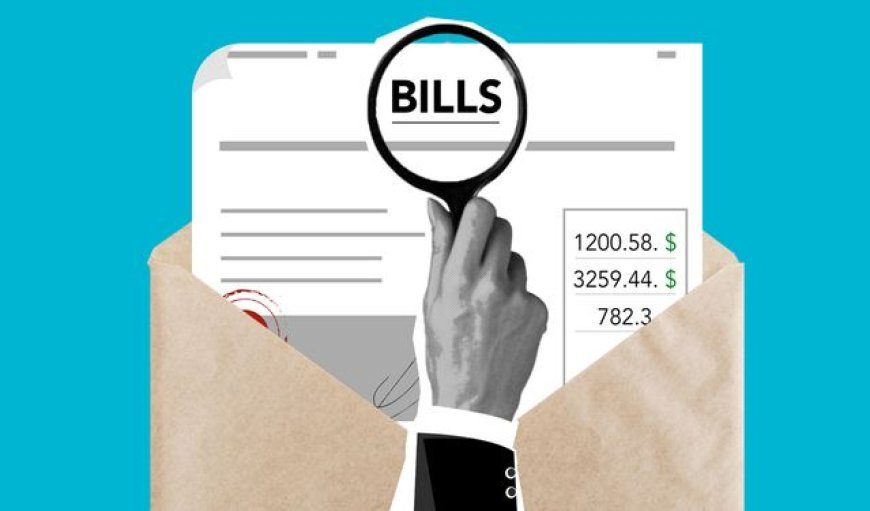
A patient completes treatment, receives discharge instructions and leaves the hospital, but the final bill does not include every service provided. A diagnostic test was missed, a pharmacy item was not recorded, or a procedure charge was never added. These small gaps can reduce hospital revenue without being noticed immediately.
Revenue leakage is a common operational challenge for small and mid-sized hospitals in India. It often happens because of manual billing, disconnected departments, incomplete records and delays in updating patient accounts.
An Automated Hospital Billing System can help hospitals reduce these gaps by bringing billing activities into a more organised process. Understanding where revenue is lost is the first step towards improving financial control and maintaining accurate patient accounts.
1. What Is Revenue Leakage in Hospital Billing?
Revenue leakage occurs when a hospital provides services, medicines, tests or procedures but does not collect the correct payment for them. It may happen because a charge is missed, recorded incorrectly or never transferred to the final patient invoice.
Unlike a major financial loss, revenue leakage often happens through several small mistakes across daily operations.
For example, a nursing team may record a procedure in patient notes, but the billing department may not receive the information on time. Similarly, medicines issued from the pharmacy may not be reflected in the patient's final bill.
Over time, these gaps can affect cash flow, financial reporting and the hospital's ability to manage operating expenses.
2. Common Billing Gaps That Cause Revenue Leakage
Identifying the source of billing errors helps hospital administrators take practical steps to prevent them.
Missing Charges for Hospital Services
Hospitals provide multiple services during a patient's stay, including consultations, diagnostic tests, nursing care, procedures and room facilities.
If these services are recorded separately and information is not shared properly, some charges may be left out of the final invoice.
How to fix it: Establish a clear process for recording services as soon as they are provided. Regularly compare clinical records with billing entries before generating the final invoice.
Incorrect Patient Billing Entries
Manual data entry can lead to incorrect quantities, service charges, patient details or billing codes. Even a small mistake can create differences between the actual services provided and the amount charged.
How to fix it: Use standard billing categories, maintain updated service rates and introduce verification before invoice approval. Staff should also review patient details before creating a new billing record.
Delayed Pharmacy Billing Updates
Medicines and consumables are regularly issued to patients during treatment. When pharmacy transactions are not properly communicated to the billing department, the hospital may fail to include certain items in the patient's bill.
How to fix it: Maintain accurate records of medicines issued, returned and consumed. Connecting pharmacy records with billing workflows can help reduce missed entries. A well-maintained pharmacy stock management process also supports better tracking of medicine movement and inventory records.
Unrecorded Diagnostic Tests and Procedures
A doctor may request multiple laboratory tests or diagnostic procedures during treatment. If the billing team does not receive updated information, completed services may remain unbilled.
How to fix it: Create a process for communicating test requests, completed procedures and cancellations between clinical and billing teams. Check completed services against the patient's invoice before discharge.
Insurance and Package Billing Errors
Hospitals handling cashless insurance, reimbursement claims and treatment packages may face billing differences when package inclusions, exclusions or additional services are not recorded correctly.
How to fix it: Clearly document package terms, verify insurance approvals and review additional charges before submitting claims. Maintain supporting records for services included in the final bill.
3. How an Automated Hospital Billing System Helps Prevent Revenue Leakage
Manual billing processes can make it difficult to identify missing entries across different departments. An Automated Hospital Billing System helps organise billing information and reduce dependence on repeated manual work.
Here are some important ways automation can support hospital billing operations.
Better Coordination Between Departments
Billing depends on information from reception, doctors, nursing teams, laboratories, pharmacies and other departments.
A structured billing process helps ensure that relevant service information reaches the billing team. This reduces the possibility of missing charges because of communication gaps.
Consistent Billing Records
Using standard billing categories and service rates helps maintain consistency across invoices. It also makes it easier for staff to identify incorrect entries and review billing differences.
Improved Patient Account Management
Maintaining organised patient accounts helps staff review consultation charges, service entries, payments and outstanding balances.
Hospitals can also benefit from connecting billing workflows with patient management software, which supports better organisation of patient-related information.
Easier Financial Monitoring
Organised billing records make it easier for finance managers to review collections, pending payments, cancelled bills and outstanding balances.
These reviews can help identify recurring billing problems and areas that need operational attention.
4. Practical Example: How Small Billing Gaps Affect Hospital Revenue
Illustrative example:
Consider a mid-sized hospital where a patient is admitted for a short treatment period.
During the patient's stay, the hospital provides consultation, diagnostic testing, medicines and nursing services. However, the pharmacy issues additional medicines, and a diagnostic test is completed after the initial billing entry.
If these activities are not communicated to the billing department, the final invoice may not include all the services and medicines provided.
The problem is not necessarily incorrect pricing. It is incomplete billing information.
An organised billing workflow can help staff verify the following details before closing the patient account:
| Billing activity | What should be checked |
|---|---|
| Consultation | All applicable consultation charges recorded |
| Diagnostic tests | Completed tests included in the invoice |
| Pharmacy | Medicines issued and applicable returns recorded |
| Nursing services | Chargeable services properly documented |
| Procedures | Completed procedures reflected in billing |
| Payments | Advance payments and final payments adjusted correctly |
| Discharge | Final invoice reviewed before account closure |
This simple verification process can help hospitals identify missing entries before the patient account is closed.
5. A Practical Checklist to Reduce Hospital Revenue Leakage
Hospital administrators and finance managers can introduce regular checks to improve billing accuracy.
Consider the following checklist:
-
Maintain updated consultation, procedure and service rates.
-
Record services when they are provided.
-
Verify diagnostic tests against completed service records.
-
Match pharmacy issues and returns with patient billing.
-
Review treatment package inclusions and exclusions.
-
Check insurance approvals and claim documentation.
-
Verify advance payments before preparing final invoices.
-
Review cancelled bills and billing adjustments.
-
Identify unpaid and partially paid patient accounts.
-
Conduct regular internal billing audits.
These checks do not require a complicated financial process. Even a simple daily review can help identify repeated mistakes and improve accountability between departments.
6. Choosing the Right Hospital Billing Process
For small and mid-sized hospitals, improving billing does not always mean increasing administrative workload. The goal should be to make existing processes more accurate, organised and easier to monitor.
Before selecting a Hospital Billing Software, administrators should understand their current billing challenges and operational requirements.
Consider these factors:
Ease of use: Billing staff should be able to understand and operate the system without unnecessary complexity.
Department coordination: Check whether the billing workflow supports the hospital's requirements for sharing relevant information across departments.
Accurate records: The system should support organised patient accounts, billing entries and payment records.
Financial visibility: Finance managers should be able to review relevant billing information and identify outstanding amounts.
Operational suitability: Select a Hospital Billing System that matches the hospital's size, patient volume and existing workflow.
Hospitals evaluating Hospital Billing Software India options should also consider staff training, implementation requirements and ongoing support before making a decision.
Frequently Asked Questions
1. What are the main causes of revenue leakage in hospitals?
Common causes include missed service charges, incorrect billing entries, unrecorded medicines, incomplete diagnostic charges, insurance claim errors and poor coordination between departments.
2. How can hospitals identify billing leakage?
Hospitals can compare patient treatment records with final invoices, review pharmacy transactions, check completed diagnostic services and conduct regular billing audits. These checks help identify missing or incorrect entries.
3. Can an Automated Hospital Billing System reduce billing errors?
Yes. An Automated Hospital Billing System can help organise billing information, standardise entries and reduce repetitive manual work. However, accurate results also depend on proper data entry, staff training and regular verification.
4. Why should small hospitals consider Hospital Billing Software?
Hospital Billing Software can help small hospitals maintain organised patient accounts, improve billing workflows and monitor payments. It can also reduce the administrative effort involved in managing billing information manually.
Conclusion
Revenue leakage does not always result from major financial problems. Small billing gaps across consultations, diagnostics, pharmacy and patient services can gradually affect hospital collections.
The right processes, regular verification and better coordination between departments can help prevent these issues. Implementing an Automated Hospital Billing System can further support accurate billing records and more organised financial management.
For hospital owners and administrators, the priority should be to identify where billing gaps occur and build a reliable process to ensure that every service provided is properly recorded and accounted for.
What's Your Reaction?
 Like
0
 Dislike
0
 Love
0
 Funny
0
 Angry
0
 Sad
0
 Wow
0