



















Severe Acne on the Face: Causes and Treatment Guide
Learn about severe acne on the face, its common causes, treatment tips, skincare routines, and important safety advice for healthier-looking skin.
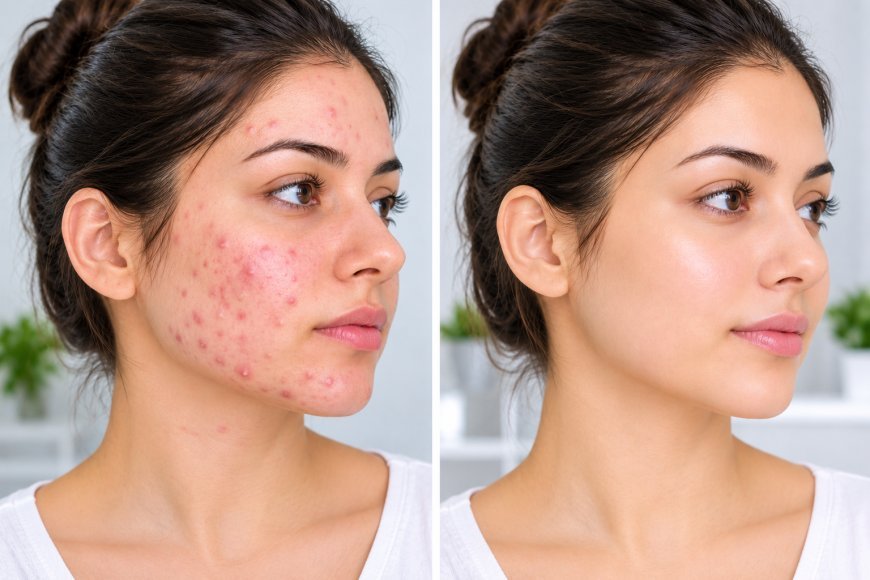
Severe acne on the face can cause painful pimples, redness, swelling, and deep bumps under the skin. These breakouts may affect the cheeks, forehead, chin, and jawline. In some cases, acne can leave dark marks or permanent scars if it does not receive proper care. Understanding what causes severe facial acne can help you choose better skincare habits and recognise when you need professional treatment. With consistent care and the right medical guidance, you can work towards healthier-looking skin.
People researching severe acne treatment may come across Accufine 40 mg Capsule and Accufine 30 mg. Before considering either product, confirm its active ingredient and formulation with a qualified healthcare professional. If these products contain isotretinoin, a dermatologist may consider them for certain cases of severe acne. This treatment requires medical supervision because it can cause serious side effects. Your healthcare professional can assess your skin, explain the possible risks and benefits, and determine whether the treatment is suitable for you.
What Is Severe Acne on the Face?
Severe facial acne is a skin condition that causes widespread breakouts, deep lumps, painful pimples, or inflamed spots. It often develops when oil and dead skin cells block hair follicles. These blockages can lead to blackheads, whiteheads, and pimples.
When inflammation becomes more intense, the skin may develop deep, tender lumps. These spots can take longer to heal and may leave scars. Severe acne can also affect emotional well-being, especially when breakouts appear in visible areas of the face.
Early medical advice can help you manage symptoms and reduce the risk of long-term skin damage.
Common Causes of Severe Facial Acne
Several factors can contribute to severe acne. Understanding these causes can help you recognise possible triggers.
1. Excess Oil Production
The skin naturally produces oil called sebum to maintain moisture. However, excess oil can mix with dead skin cells and block pores. These blockages create an environment where acne can develop.
People with oily skin may notice more frequent breakouts around the forehead, nose, cheeks, and chin.
2. Hormonal Changes
Hormonal changes can increase oil production and trigger acne. Puberty, menstrual cycles, and other hormonal changes may contribute to breakouts. Some people experience recurring acne around the chin and jawline.
3. Genetics
Your family history can influence your risk of developing acne. If close family members experienced persistent or severe acne, you may have a greater chance of developing similar skin concerns.
4. Stress and Poor Sleep
Stress may worsen existing acne in some people. Poor sleep can also affect your daily habits and make it harder to maintain a consistent skincare routine.
Although stress does not cause every breakout, managing it can support your overall skin health.
5. Irritating Skincare Products
Harsh cleansers, rough scrubs, and unsuitable cosmetic products can irritate the skin. Heavy products may also contribute to blocked pores in some people.
Choose gentle, non-comedogenic products and avoid scrubbing your face aggressively.
How to Treat Severe Acne on the Face
Managing severe acne often requires a combination of consistent skincare and professional advice. The best approach depends on the type of acne, its severity, and your skin's needs.
1. Clean Your Face Gently
Wash your face twice daily with a mild cleanser and lukewarm water. Use your fingertips to clean your skin without rubbing too hard. Avoid frequent washing because it can remove natural oils and increase irritation.
After cleansing, pat your face dry with a clean towel. If you sweat heavily, gently wash your face afterwards.
2. Moisturise Your Skin
Even oily and acne-prone skin needs moisture. Choose a lightweight moisturiser labelled non-comedogenic, which means it is less likely to clog pores.
Apply it after cleansing to help maintain the skin barrier. If your skin feels dry, tight, or flaky, avoid adding harsh products to your routine.
3. Apply Sunscreen Every Day
Sun exposure can make dark marks left by acne more noticeable. Use broad-spectrum sunscreen with SPF 30 or higher each morning. Choose a product that suits acne-prone skin and follow its instructions for reapplication.
Wear a hat and seek shade during prolonged outdoor activities. Sun protection is especially important when your skin becomes more sensitive during treatment.
4. Avoid Picking Pimples
Squeezing pimples can damage the surrounding skin and increase inflammation. It may also raise the risk of scars and dark marks.
Leave spots alone and seek professional advice if you develop deep, painful bumps. A dermatologist can assess the condition and recommend an appropriate care plan.
Understanding Accufine 40 mg Capsule and Accufine 30 mg
People with severe or persistent acne may research Accufine 40 mg Capsule and Accufine 30 mg when exploring treatment options. However, you should verify the active ingredient, formulation, and product information with a pharmacist or doctor before making any treatment decision.
If the confirmed ingredient is isotretinoin, a dermatologist may consider it for severe acne that has not responded adequately to other approaches. Isotretinoin reduces oil production and can help control the processes that contribute to acne.
The suitable strength depends on individual factors such as body weight, acne severity, treatment response, and side effects. A higher strength does not automatically produce better results for everyone.
Never start treatment, change the dose, or use a product based only on online information. Follow your healthcare professional's instructions and attend all recommended appointments.
Important Safety Precautions
If a healthcare professional prescribes isotretinoin, discuss its risks and monitoring requirements before starting treatment.
Keep these precautions in mind:
-
Attend regular check-ups: Your clinician may arrange blood tests and monitor your response.
-
Watch for dryness: Dry lips, dry skin, and eye irritation can occur.
-
Report unusual symptoms: Seek medical advice about severe headaches, vision changes, significant mood changes, or other concerning effects.
-
Discuss supplements: Ask your clinician before taking vitamin A supplements.
-
Follow pregnancy precautions: Isotretinoin can cause severe birth defects and must not be used during pregnancy. Anyone who could become pregnant must follow the prescriber's pregnancy-prevention and testing requirements.
Do not share prescription treatment with others. A product that suits one person may not be appropriate for another.
Daily Habits That Support Clearer Skin
Healthy habits can support your skincare routine, although they may not control severe acne on their own.
Eat balanced meals that include vegetables, fruit, whole grains, protein, and healthy fats. Drink enough water and maintain a regular sleep schedule. If you notice that certain foods appear to worsen your breakouts, discuss your concerns with a qualified professional rather than following a highly restrictive diet.
Keep pillowcases and towels clean, remove makeup before sleeping, and avoid touching your face unnecessarily. If hair products trigger breakouts around your forehead, consider changing your routine.
Consistency matters. Give your skincare plan time to work and avoid frequently switching products.
When Should You See a Dermatologist?
Seek professional advice if you experience deep, painful pimples, widespread facial acne, recurring inflammation, or signs of scarring. You should also seek help if acne affects your confidence or emotional well-being.
A dermatologist can assess your skin and recommend treatment based on your individual needs. Early care may help reduce inflammation and limit the risk of permanent scars.
If the skin becomes increasingly swollen, hot, or painful, arrange a prompt medical assessment rather than assuming that the problem is ordinary acne.
Acne Care in the UK and Australia
In the UK, you can speak with your GP about severe or persistent acne and ask whether a dermatology referral is appropriate. In Australia, a GP or dermatologist can examine your skin and explain suitable treatment options.
Prescription requirements, monitoring rules, and product availability may differ between countries. Always follow local medical guidance and verify product details before using prescription acne treatment.
BuyRxSafe readers should use reliable product information alongside professional medical advice. Online content can help you understand your options, but it cannot replace a personal assessment.
Conclusion
Severe acne on the face can cause discomfort, inflammation, and lasting scars, but consistent care can help you manage it. Cleanse gently, moisturise regularly, protect your skin from the sun, and avoid picking pimples.
Accufine 40 mg Capsule and Accufine 30 mg should only be considered after a healthcare professional confirms their active ingredients and determines whether they are appropriate for your condition. With timely medical guidance and a suitable skincare routine, you can work towards healthier-looking skin and better long-term acne control.
What's Your Reaction?
 Like
0
 Dislike
0
 Love
0
 Funny
0
 Angry
0
 Sad
0
 Wow
0