




















Transforming Outdoor Spaces With Natural Materials

Outdoor living spaces have become an important part of modern residential design. A thoughtfully designed deck can provide additional room for entertaining, family gatherings, relaxing and enjoying the surrounding landscape. When the materials and layout complement the property, the outdoor area can feel like a natural extension of the home's interior.
Timber is a popular material for outdoor design because it introduces natural texture, warmth and visual character. Different timber species offer distinctive colours and grain patterns, allowing homeowners to create everything from understated contemporary spaces to rich, traditional outdoor settings.
Choosing suitable Hardwood Decking involves considering more than appearance. Durability, maintenance, installation requirements, exposure to weather and the overall project budget should all influence the final decision.
Understanding the Appeal of Natural Timber Decking
Natural timber creates a distinctive outdoor surface that works well with gardens, landscaped courtyards and modern architecture. Its grain and colour variations give each deck an individual appearance, while different board profiles can influence the visual style of the finished area.
Timber decking can be used around outdoor entertaining areas, garden seating zones and suitable poolside environments, provided the selected product and installation meet the requirements of the specific location. It can also help create a visual connection between indoor flooring and outdoor living areas.
The appearance of a deck depends partly on the timber species selected. Some timbers offer warm reddish-brown tones, while others feature lighter colours or more pronounced grain patterns. Reviewing samples and considering the surrounding materials can help homeowners choose a finish that complements the property.
Choosing the Right Timber Species
Different hardwood species have different visual characteristics and performance properties. Spotted Gum, Blackbutt, Merbau, Jarrah and Ironbark are among the timber options commonly considered for decking projects.
Spotted Gum is appreciated for its distinctive grain and varied natural colours. It can suit contemporary homes where the decking is intended to become a prominent architectural feature. Blackbutt offers a comparatively lighter appearance, making it an option for designs that aim to create a bright and open outdoor setting.
Merbau is recognised for its warm brown tones, while Jarrah can provide a richer reddish appearance. Ironbark is another option for projects where a dense, robust hardwood is being considered.
The best species depends on the desired appearance, product specifications, availability and intended exposure. Homeowners should confirm the suitability of the selected decking for their particular application before purchasing.
Considering Melbourne's Changing Weather
Outdoor timber needs to be selected and installed with local environmental conditions in mind. Melbourne experiences seasonal changes that can expose decking to rain, sunlight, temperature variations and periods of drying.
Timber naturally responds to changes in moisture, so appropriate installation methods are essential. Adequate drainage, suitable board spacing and airflow beneath the deck can help manage moisture and support the performance of the installation.
The condition of the supporting frame also matters. Decking boards must be installed over a suitably designed substructure, with joist spacing, fixings and other details appropriate to the selected product and expected loads.
Homeowners should follow supplier guidance and applicable building requirements when planning their deck. Where the design involves elevated structures, complex spans or other structural considerations, advice from a qualified professional is particularly important.
Planning the Design Before Buying Materials
A successful decking project begins with an accurate understanding of the available space. Measuring the proposed deck area helps estimate the number of boards required and provides a clearer picture of the material budget.
The intended layout should also be considered. Board direction can influence how large or narrow an outdoor area appears. Running boards along the length of a space may emphasise its dimensions, while a different orientation can create a distinct visual effect.
Access points, steps, garden borders and drainage features should be considered before installation. Planning these details early can reduce unnecessary cutting and help create a more cohesive finished design.
It is also worth accounting for offcuts and potential material wastage when calculating quantities. Confirming the available board dimensions with a supplier makes it easier to prepare a realistic purchasing estimate.
Balancing Appearance and Maintenance
Natural hardwood decking can maintain its appeal for many years when the material is suitable for its application and cared for appropriately. However, outdoor timber should not be considered maintenance-free.
The maintenance routine depends on the species, surface finish, exposure and desired appearance. Some homeowners prefer to preserve a particular timber colour using a suitable exterior finish, while others are comfortable with the gradual weathering that occurs when timber is exposed to sunlight and outdoor conditions.
Regular cleaning helps remove dirt and organic debris that can accumulate between boards. Periodic inspection can also identify loose fixings, surface damage or drainage issues that may require attention.
Before applying a coating or cleaning product, homeowners should confirm that it is compatible with the selected timber. Following the manufacturer's recommendations helps prevent unsuitable treatments from affecting the surface.
Combining Decking With Other Outdoor Features
Timber decking works particularly well when coordinated with other elements of an outdoor design. Garden planting, stone pathways, outdoor furniture and architectural screening can complement the natural character of timber while helping define different activity zones.
For example, a deck adjoining a living room may use a simple layout to create a smooth visual transition between indoor and outdoor areas. A larger backyard might incorporate separate seating and dining zones, with timber providing continuity across the design.
Screening battens and suitable cladding can also complement a deck by introducing texture and improving the visual definition of an outdoor space. The materials should be selected according to their intended use and exposure conditions.
Lighting can add another dimension to the finished area. Carefully positioned outdoor lighting can improve visibility and highlight architectural features, provided the electrical installation is designed for the environment.
Understanding the Value of Quality Materials
The initial price of decking boards is only one part of the overall project cost. The size of the deck, timber species, board dimensions, supporting structure, fixings, installation labour and finishing requirements can all influence the final budget.
Selecting a product solely because it has the lowest upfront price may not provide the best result if it is unsuitable for the intended conditions. Comparing timber options according to their specifications and maintenance requirements provides a more useful basis for decision-making.
Ordering the correct quantity also matters. An accurate material estimate can help reduce waste, while confirming availability before installation begins can prevent avoidable delays.
For homeowners who are unsure which timber to choose, speaking with a specialist supplier can help clarify the differences between available species and product options.
Finding Suitable Decking Products in Melbourne
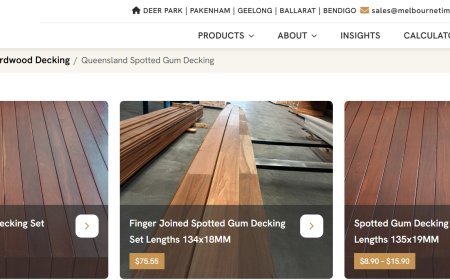
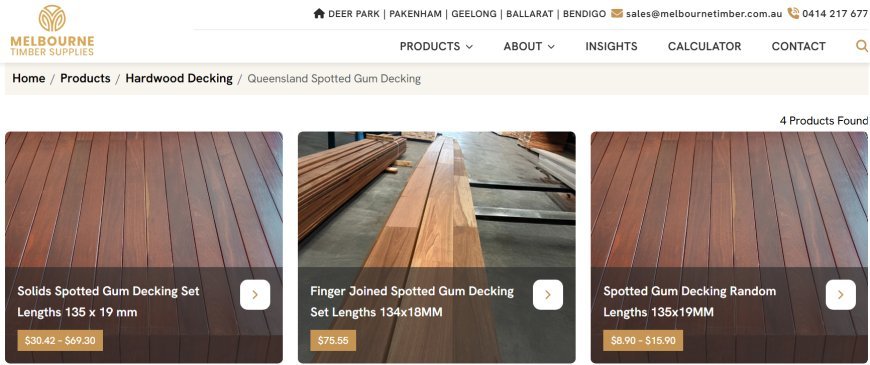
Access to a suitable range of timber products makes it easier to plan an outdoor renovation or new construction project. Melbourne Timber Supplies offers hardwood decking options that include Spotted Gum, Blackbutt, Merbau, Jarrah and Ironbark, giving customers several choices for different design preferences.
The company supports homeowners, builders and contractors with timber supply, product advice, delivery and pickup arrangements. Discussing the project dimensions, intended application and preferred timber appearance can help identify products worth considering before an order is placed.
For a new deck or an outdoor renovation, you can explore the available Hardwood Decking range to review options and discuss your requirements with the supplier.
Creating an Outdoor Space for Years to Come
A well-designed deck can make an outdoor area more useful and enjoyable. Natural timber offers a combination of texture, colour and architectural versatility that suits a wide range of residential styles.
The key to a successful result is choosing the right material for the intended application and planning the installation carefully. Timber species, drainage, supporting structure, fixings and maintenance should all be considered before construction begins.
By comparing available products, preparing accurate measurements and working with an experienced timber supplier, homeowners can make more informed decisions about their outdoor projects. With appropriate selection, installation and care, a timber deck can become a valued part of the home and provide a welcoming setting for everyday living and entertaining.
What's Your Reaction?
 Like
0
 Dislike
0
 Love
0
 Funny
0
 Angry
0
 Sad
0
 Wow
0