






















How Repair Quality Checks Can Help Fleets Reduce Repeat Service Visits
Once the truck goes back to the shop again for the exact same trouble, there is more at stake than simply the cost of the repairs.
Once the truck goes back to the shop again for the exact same trouble, there is more at stake than simply the cost of the repairs. The consequences of missed shipments, additional labor and downtime, and driver delays will have an impact on the daily operation of a fleet within minutes. A fleet manager's job of making sure that the truck gets repaired is just half the work. It must also be ensured that the root cause of the problem gets tackled by the repair.
Working with providers offering commercial fleet truck repair in Austin can help operators maintain their vehicles, identify recurring problems, and reduce unnecessary service visits.
Why Repair Quality Checks Matter
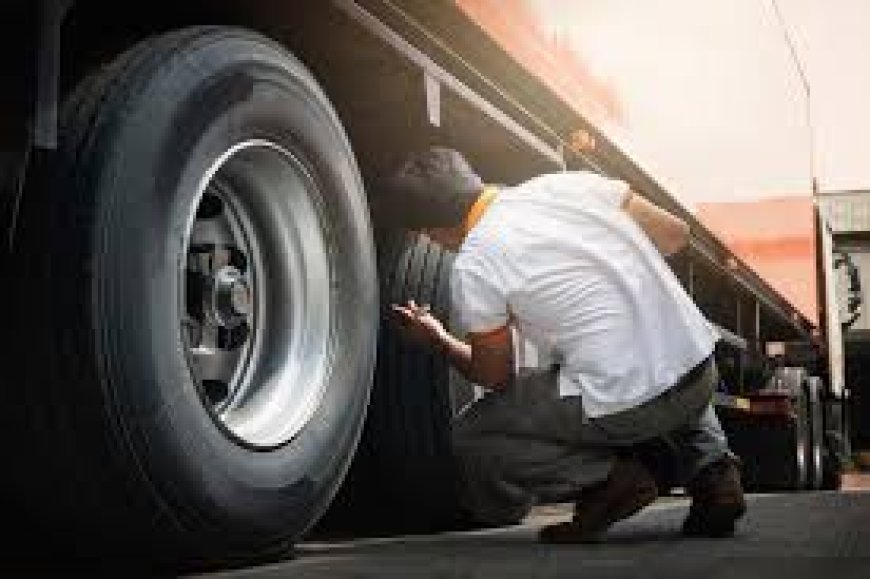
The completion of the repair work does not necessarily mean that the technician has already installed a new part or extinguished the warning light. The vehicle must be tested to make sure that the repair has successfully solved the reported issue and that other related systems have also worked properly.
For instance, the replacement of a damaged hose will eliminate the coolant leak, but the technician should also check the coolant levels and search for any possible overheating and other leaks. Otherwise, the truck will go back to its job with a new potential problem.
The repair quality checks allow fleet managers:
-
To make sure that the initial issue has been fixed.
-
To find related problems before the truck goes back to work.
-
To minimize the cost of repeated repairs.
-
To increase the reliability of the vehicles and drivers' confidence.
-
To avoid unnecessary delays during planned deliveries.
Such checks do not necessarily mean that all repairs will become time-consuming processes. A well-developed list of items for checking depending on the performed work will help to avoid such situations.
Common Reasons Trucks Return for the Same Repair
Repeat service calls may be made due to various factors. In some cases, the original diagnosis may have been insufficient. Other times, a replacement part might not address the actual problem, or another worn-out part may create the same symptoms.
Some common examples include:
-
Incomplete Diagnosis - A fault light may occur because of another problem that was not diagnosed in the first appointment.
-
Other worn parts not checked - When a worn-out part is replaced, another worn part may be causing the same problem.
-
Wrong installation - Loose parts or faulty installations might be causing the problem to come back.
-
Not tested - The problem solved may have worked well in the shop but may not be working once the vehicle is being driven.
-
Lack of maintenance records - Without having a proper record of past repairs, the technicians may repeat the same repairs without being aware that they were already conducted.
Fleet managers can minimize these issues by requesting repair notes and ensuring that the vehicle has been tested before release.
What Should Be Checked After a Truck Repair?
The final inspection should match the work completed. A brake repair requires different checks from an electrical repair or cooling system service.
A simple quality checklist can help technicians verify the important details before returning a truck to the fleet.
|
Repair type |
Quality checks to consider |
|
Brakes |
Check component installation, air leaks where applicable, and braking performance |
|
Cooling system |
Check coolant level, connections, leaks, and operating temperature |
|
Electrical system |
Test repaired circuits, connections, and related warning indicators |
|
Engine repair |
Check for leaks, abnormal noises, and signs of the original fault |
|
Suspension and steering |
Inspect fasteners, component condition, and steering response |
|
Preventive maintenance |
Confirm completed service items, fluid levels, and maintenance records |
These checks should follow the manufacturer's procedures and the requirements relevant to the repair. More complex repairs may need diagnostic equipment or additional testing.
The main goal is simple: make sure the work is complete before the truck goes back out on the road.
Test the Repair Under Realistic Conditions
Some issues arise only when a truck is working under usual working conditions. A truck may start easily in the garage but show a warning light after some time in work. The same way, a cooling system can be fine when the engine is cold but start malfunctioning after reaching its operating temperature.
In those cases, it is reasonable to make a functional checkup if it is possible and safe.
For instance:
-
After a cooling system repair, check for leaks and operating temperature.
-
After an electrical repair, check the functioning of the repaired equipment and make sure that the problem is solved.
-
After a brake and steering system repair, test the working condition of the system according to the proper procedure.
-
After replacing any part of the equipment, make sure that other connected parts are not affected.
Epika Fleet offers repair and servicing of commercial trucks. We can do diagnostics, brake repairs, electrical repairs, engine work, and suspension repairs. Fleet owners can apply the following repair process in order to detect problems accurately and make sure about the proper repair.
Keep Repair Records to Spot Repeat Problems
Repair records are useful for more than tracking expenses. They can show whether a particular truck has been experiencing the same issue repeatedly and help technicians make better decisions during the next service visit.
For each repair, fleet managers should record:
-
The reported problem and driver observations.
-
The technician's diagnosis.
-
Parts repaired or replaced.
-
Tests performed after the repair.
-
Any follow-up recommendations.
-
The date and mileage at the time of service.
Suppose one truck returns several times for an overheating issue. Its repair history may show that the cooling system has received repeated attention without resolving the underlying cause. That information can help the technician investigate further rather than simply repeating the previous repair.
Fleet managers should also review repair records across the fleet. If multiple vehicles develop similar problems, it may point to maintenance gaps, demanding operating conditions, or a need to review inspection routines.
Use Preventive Maintenance to Reduce Repeat Visits
Quality checks help confirm that repairs have been completed properly, while preventive maintenance helps identify wear before it causes a breakdown. Both are important for keeping commercial vehicles available for work.
A practical maintenance routine should consider vehicle mileage, operating hours, load conditions, route demands, and manufacturer recommendations. Trucks that regularly carry heavy loads or operate in demanding conditions may need closer attention to certain components.
Fleet managers can support this process by:
-
Scheduling routine inspections instead of waiting for breakdowns.
-
Reviewing recurring faults and repair expenses.
-
Training drivers to report unusual noises, leaks, or warning lights.
-
Replacing worn components when inspection findings justify it.
-
Following up on unresolved issues instead of closing repair orders prematurely.
Epika Fleet supports commercial truck maintenance and repair needs, helping fleet operators address mechanical issues and plan service around vehicle requirements. Consistent maintenance records and clear communication between drivers, technicians, and managers make it easier to keep repairs on track.
Choose a Repair Process That Protects Your Schedule
Fleet managers need repairs that solve problems without creating another round of downtime. A low initial repair cost may not be a good deal if the truck has to return to the shop repeatedly for the same issue.
When reviewing a repair provider, look for clear communication, a detailed diagnosis, suitable replacement parts, and a process for checking completed work. Ask what was repaired, how the result was tested, and whether any related issues still need attention.
For operators looking for commercial fleet truck repair in Austin, choosing a provider that values proper diagnosis and repair verification can help reduce avoidable service visits. The exact outcome will depend on the vehicle's condition, the repair required, and the quality of the work performed.
Keep Your Fleet Moving With Better Quality Checks
Repeat repairs cost more than money. They take trucks away from scheduled routes, add pressure to dispatch teams, and make maintenance planning less predictable.
A consistent quality-check process helps catch unfinished work, identify related problems, and maintain better repair records. Combined with preventive maintenance and timely communication, these checks can help fleet operators reduce unnecessary downtime.
Epika Fleet offers commercial truck repair services for medium-duty and heavy-duty vehicles, including diagnostics, brake repairs, electrical work, and preventive maintenance. If your business needs commercial fleet truck repair in Austin, make repair quality and follow-up testing part of your maintenance priorities. Getting the repair right the first time gives your fleet a better chance of staying on schedule and keeping operating costs under control.
What's Your Reaction?
 Like
0
 Dislike
0
 Love
0
 Funny
0
 Angry
0
 Sad
0
 Wow
0