

























Sports for Shy Children to Build Confidence, Social Skills and Self-Esteem
Activities such as Taekwondo and martial arts for kids can introduce children to structured group learning, physical challenges and positive interactions that help them become more comfortable expressing themselves.

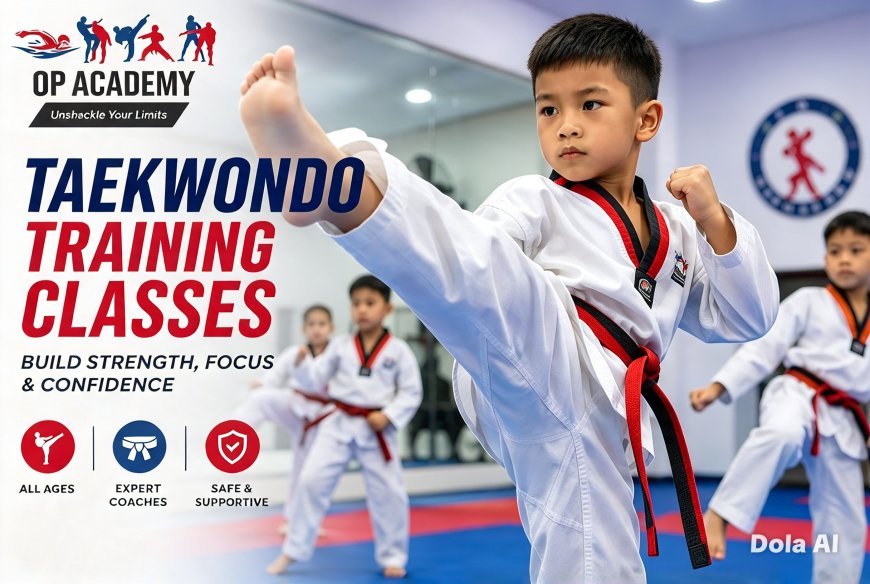
Not every child is naturally outgoing. Some children enjoy observing others before joining an activity, while others feel nervous when meeting new people, speaking in front of a group or participating in unfamiliar situations. For parents, watching a shy child struggle to make friends or hesitate to join school activities can be concerning, especially when they want their little one to grow into a confident and independent individual.
However, being shy is not a weakness, and children should never feel pressured to change their personalities just to fit in. What they need is a supportive environment where they can develop social confidence at their own pace. One effective way to provide these opportunities is through sports. Activities such as Taekwondo and martial arts for kids can introduce children to structured group learning, physical challenges and positive interactions that help them become more comfortable expressing themselves.
Why Sports Can Be Helpful for Shy Children
Sports provide children with opportunities to interact with others without relying entirely on conversations. Instead of having to introduce themselves or think of something to say, they can participate in activities that involve movement, teamwork and shared goals.
For a shy child, this can make social interaction feel less intimidating. Following an instructor's directions, practising alongside classmates and completing simple exercises together can gradually make group environments feel more familiar. These small experiences may help children become more willing to participate in other social activities.
Physical activities also give children something positive to focus on. Rather than worrying about whether other people are judging them, they can concentrate on learning a new movement, improving their coordination or completing an exercise. As their skills develop, they may begin to feel more comfortable around their classmates.
7 Benefits of Sports for Children Who Are Naturally Shy
Choosing the right sport can provide more than physical exercise. A suitable programme can support a child's emotional development, encourage positive social experiences and create opportunities to discover personal strengths.
1. Building Confidence Through Small Achievements
Shy children may sometimes underestimate their abilities, particularly when they compare themselves with more outgoing classmates. They might hesitate to try new activities because they are afraid of making mistakes or attracting attention.
Sports introduce achievable challenges that allow children to experience progress gradually. Learning a new movement, completing an exercise independently or remembering a sequence of techniques can provide a genuine sense of achievement.
In martial arts, for example, children practise techniques repeatedly until they become more comfortable performing them. Each improvement gives them an opportunity to recognise their own progress. Over time, these positive experiences may help them approach unfamiliar situations with greater confidence.
2. Making It Easier to Interact with Other Children
Making friends can be difficult for children who are naturally reserved. They may want to join a group but feel unsure about how to approach other children or start a conversation.
Sports create natural opportunities for interaction. Children can practise together, take turns, follow group instructions and encourage one another during activities. These experiences allow friendships to develop through shared participation rather than forcing children to communicate before they feel ready.
A structured training environment can be particularly helpful because children know what they are expected to do. Having clear activities and routines may reduce some of the uncertainty that makes social situations uncomfortable.
3. Improving Communication Skills
Communication is not only about speaking confidently. It also involves listening, understanding instructions, responding appropriately and expressing personal needs.
During sports activities, children learn to listen to coaches, ask questions and communicate with classmates. They gradually become familiar with speaking in a group and responding to different people.
For children attending martial arts for kids programmes, communication is part of the learning process. Students need to understand instructions, acknowledge feedback and interact respectfully with their instructors and training partners. These everyday interactions can provide useful practice for situations at school and elsewhere.
4. Developing Discipline and Independence
Some shy children rely heavily on familiar adults when entering new environments. While parental support is important, children also need opportunities to complete tasks independently and discover that they can manage unfamiliar experiences.
Sports can introduce routines that encourage independence. Children learn to prepare their equipment, follow instructions, remember exercise sequences and take responsibility for their participation.
In martial arts training, students are encouraged to concentrate on their own improvement. They learn that progress depends on consistent effort rather than waiting for someone else to complete a task for them. This can help develop a stronger sense of responsibility and self-reliance.
5. Learning to Handle Mistakes Without Feeling Embarrassed
Fear of making mistakes is one reason some children avoid group activities. They may worry about getting an answer wrong, performing an exercise incorrectly or being laughed at by their classmates.
A positive sports environment can help change this mindset. Children learn that everyone makes mistakes while learning something new, and that improvement comes through practice.
A good instructor provides constructive feedback without humiliating students. When children realise that mistakes are a normal part of learning, they may become more comfortable trying unfamiliar activities and participating even when they are not completely confident.
6. Supporting Physical Fitness and Emotional Wellbeing
Regular physical activity supports children's overall health by encouraging movement, coordination, strength and endurance. It also gives them a constructive way to spend their free time instead of remaining inactive for long periods.
For shy children, participating in enjoyable physical activities can also create positive experiences associated with being part of a group. Completing an exercise or learning a new skill may give them something to feel proud of.
Parents should remember that children respond differently to exercise. The best activity is one that matches their interests, physical abilities and comfort level rather than creating unnecessary pressure.
7. Encouraging Children to Become More Comfortable Outside Their Comfort Zone
Growth often begins when children attempt something unfamiliar. For a shy child, this could mean joining a class, introducing themselves to another student or performing a movement in front of an instructor.
Sports provide opportunities to experience these situations in manageable steps. Initially, a child may simply observe. Later, they may participate in a group exercise and eventually become comfortable completing activities independently.
The aim is not to turn every quiet child into an outgoing personality. It is to help them feel capable of participating, communicating and enjoying activities without allowing fear to prevent them from exploring new opportunities.
Why Martial Arts Can Be a Good Choice for Shy Children
Among the different activities available to children, martial arts offers a structured learning approach that combines physical movement, concentration, discipline and personal development.
Unlike some competitive sports where children may feel pressured to perform immediately, a well-organised martial arts programme can introduce techniques progressively. Students learn basic movements before moving towards more challenging exercises, giving them time to become familiar with the training environment.
For shy children, this structure can be reassuring. They know that lessons follow an organised routine, instructors provide guidance and each student has opportunities to improve. They do not need to be the loudest or most confident person in the class to participate meaningfully.
Taekwondo and Confidence Development
Taekwondo is a Korean martial art that incorporates kicking techniques, hand movements, balance, footwork and controlled physical exercises. Children can learn these skills progressively while developing coordination and concentration.
Training often includes individual practice and supervised activities with other students. This provides a balance between personal achievement and group participation, which can be useful for children who need time to become comfortable around unfamiliar people.
The belt progression system can also introduce clear learning goals. Children can work towards improving specific techniques and recognise their progress over time. Their achievements are not limited to physical ability; improved listening, discipline, confidence and willingness to participate are equally valuable.
Learning Respect and Positive Social Behaviour
Martial arts classes generally introduce expectations around respect, self-control and responsible conduct. Children learn to listen to instructors, treat training partners appropriately and follow established rules.
These experiences can help reinforce positive behaviour in other environments. Children become familiar with taking turns, cooperating with others and respecting different abilities.
Importantly, martial arts should never encourage children to use physical techniques to intimidate classmates. Responsible training teaches students that physical skills must be used appropriately and that avoiding unnecessary conflict is always preferable.
How Parents Can Help a Shy Child Adjust to Sports Classes
Even when a child is interested in trying a new sport, their first session may feel overwhelming. A little preparation and encouragement from parents can make the transition easier.
Start with an Activity That Matches Their Interests
Some children enjoy individual activities, while others prefer structured group exercises. Ask your child what they would like to try and explain what the activity involves.
If they show an interest in Taekwondo, consider arranging an introductory session where they can observe the class and understand how lessons are conducted.
Avoid Comparing Them with Outgoing Children
Every child has a different personality and learning pace. Comparing a quiet child with a more outspoken classmate can make them feel inadequate or pressured.
Instead, recognise individual progress. A child who initially refuses to participate but eventually joins a simple exercise has already made a meaningful step forward.
Give Them Time to Become Comfortable
Do not expect a child to make friends immediately or participate confidently during their first lesson. Some children need several sessions to understand the routine and become familiar with the instructor.
Encouragement should be consistent, but children should not feel forced to perform beyond their comfort level. A patient approach can help create more positive associations with the activity.
Finding Suitable Martial Arts Classes in Singapore
Parents searching online for martial arts near me may discover various academies offering different programmes, teaching styles and schedules. However, choosing a suitable class involves more than finding the nearest location.
The learning environment is especially important for shy children. A class that feels too intimidating or overly competitive may discourage them from participating, even if they initially show interest in the activity.
When comparing martial arts singapore programmes, consider the following factors.
Look for Instructors Who Understand Children's Personalities
An instructor should be patient, approachable and capable of guiding children with different confidence levels. Shy students may need additional encouragement or a little more time to become comfortable participating.
Choose Structured and Age-Appropriate Lessons
Children should learn techniques and exercises that match their developmental stage. Lessons should provide clear instructions, manageable challenges and appropriate supervision.
Check Whether the Training Environment Is Supportive
Observe how instructors communicate with students and how children interact with one another. A positive environment should encourage cooperation, respect and personal improvement rather than embarrassment or unnecessary pressure.
Ask About Trial Sessions and Training Schedules
A trial lesson can help parents understand the academy's teaching approach while allowing children to experience the environment before committing to regular classes.
When searching for martial arts classes near me, take time to compare the actual class experience, instructor guidance and programme suitability instead of relying only on promotional descriptions.
Can Adults Benefit from Martial Arts Too?
Martial arts is not exclusively for children. Adults who want to improve their fitness, develop new skills or challenge themselves can also explore structured training programmes.
For adults who are naturally shy or uncomfortable in unfamiliar social environments, learning a new physical skill may provide opportunities to interact with others in a shared activity. Training can also introduce achievable personal goals and a sense of progress.
Martial arts for adult programmes can accommodate beginners who have little or no previous experience, depending on the academy's offerings. Adults may work on coordination, flexibility, physical conditioning and technique while learning at an appropriate pace.
Parents who participate in their own fitness activities can also demonstrate the value of continuous learning to their children. Showing that it is normal to be a beginner, make mistakes and keep practising can reinforce a healthy attitude towards personal development.
Frequently Asked Questions About Sports for Shy Children
What is the best sport for a shy child?
The best sport depends on the child's interests, personality and comfort level. Activities such as swimming, gymnastics, Taekwondo and other structured sports can provide opportunities to develop physical skills and confidence. Parents should prioritise a supportive environment rather than choosing an activity solely because it is popular.
Can martial arts help shy children make friends?
Martial arts classes provide opportunities for children to practise alongside classmates, interact with instructors and participate in shared activities. These experiences may make social interaction more familiar, although friendships develop differently for every child.
Is Taekwondo suitable for children who are very quiet?
Yes, provided the programme is age-appropriate and the instructors are patient with different personality types. Children do not need to be naturally outgoing to benefit from structured training and gradual skill development.
How can I encourage my shy child to join a sports class?
Start by discussing activities that interest them, explain what happens during lessons and consider attending a trial session. Give them time to observe and become comfortable without comparing their progress with other children.
How do I find martial arts classes near me in Singapore?
Search for local academies, review their programmes and ask about instructor experience, class schedules and trial sessions. Visiting the training venue can help you understand whether the environment is suitable for your child.
Help Your Child Grow in Confidence with OP Academy
A shy child does not need to become someone else to succeed. What matters is giving them opportunities to discover their strengths, develop new skills and feel comfortable participating in the world around them. With the right encouragement, even small achievements can become important steps towards stronger confidence, independence and positive social development.
If you are looking for a meaningful activity that combines physical training with personal development, explore the programmes offered by OP Academy. Whether you are searching for martial arts for kids, exploring martial arts singapore training opportunities or considering martial arts for adult programmes, OP Academy is a place to discover the value of structured martial arts learning. Visit https://opacademy.net/ today to explore the available programmes and find an opportunity that suits your family's goals. Give your child the chance to grow beyond hesitation, discover what they are capable of and build confidence one lesson at a time.
What's Your Reaction?
 Like
0
 Dislike
0
 Love
0
 Funny
0
 Angry
0
 Sad
0
 Wow
0