























Tally GST Training Institutes in Jaipur
Looking for Tally GST training institutes in Jaipur? See what a good course covers, how to compare institutes and five names to shortlist.
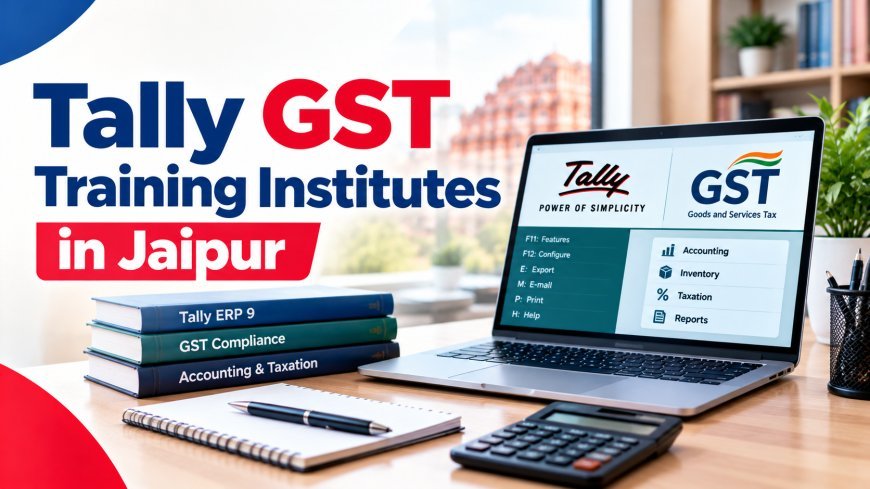
Here's a job listing you've probably seen. "Accounts executive. Knowledge of Tally and GST required." Thousands of them. And every year, a fresh batch of commerce graduates stares at that line and wonders where to learn it.
That's the reason Tally GST Training Institutes in Jaipur get searched so often. Tally is still the software most small and mid-sized businesses use for books, billing and stock. GST is the tax law those books have to follow. Put the two together and you've got one of the most practical skill sets in everyday accounting.
But institutes aren't all alike. Some give you real practice on live-style data. Others hand you a certificate after a few weeks of watching someone click through screens. So before you enrol, look at a few Tally GST training institutes side by side, and know what a proper course should cover so you can tell the difference.
Which Tally GST training institutes are worth a look in Jaipur?
Here are five established names to start with. Each point below comes from what the institute's own listing says, so treat it as a starting point and confirm the details yourself.
- ITC Computer Classes: in Pratap Nagar Sector 11, around ten years in business, with Tally GST training listed alongside computer networking, data analysis with Python, data science and digital marketing.
- Prime Institute For Excellence: in Mansarovar, about 18 years in business, covering Tally GST along with AI, data science, digital marketing, 3ds Max and interior designing.
- P R Institute: also in Mansarovar, 16 years in business, with a similar spread of courses that includes Tally GST and computer training.
- Base Institute: in Vidhyadhar Nagar, 15 years in business, with Tally GST training sitting beside data analysis with Python, computer networking and digital marketing.
- T.I.M.E.: in Civil Line, the longest-running of the five at 34 years in business, with courses that include Tally GST, computer training and data science.
None of this is a ranking. A course list only tells you what an institute offers, not how well it teaches, so call or visit, sit in on a demo class and put the questions from this guide to each one before you decide.
Who actually benefits from this course?
More people than you'd think.
- Commerce students who want a job-ready skill alongside their degree
- Fresh graduates applying for accounts or billing roles
- Small shop owners who'd rather handle their own books than depend on someone else
- Working professionals moving into accounts from another field
- Freelancers and aspiring accountants who want to serve small business clients
If you already know basic accounting terms like debit, credit and ledger, you'll move faster. If you don't, a good institute will start there.
What should the syllabus include?
A decent Tally and GST course usually covers two broad areas, and they should connect to each other.
Tally side:
- Creating a company and setting up ledgers and groups
- Voucher entries for sales, purchases, receipts and payments
- Inventory and stock management
- Bank reconciliation
- Payroll basics
- Reports, like the balance sheet, profit and loss and day book
GST side:
- How GST works, including CGST, SGST and IGST
- Registration and the types of returns
- Recording GST on sales and purchases inside Tally
- Preparing data for returns such as GSTR-1 and GSTR-3B
- E-way bills and e-invoicing basics
- Input tax credit and how it flows
Here's the thing. GST rules, thresholds and forms get updated from time to time. A good institute keeps its material current and tells you to check official notifications, instead of teaching from notes that are three years old.
How long does it take?
It varies. Some programmes run a few weeks, others stretch over a few months, depending on depth and how many hours you attend each week. A very short course can introduce the tools. It's unlikely to build confidence.
Ask for the number of classroom hours and how much of that is hands-on practice. That tells you more than the total duration.
What makes an institute worth your money?
Forget the banners. Look at these instead.
- Practical work: Do you enter real-style transactions, or just watch demos?
- Trainer background: Has the teacher worked in accounts or practised GST, or only taught from slides?
- Updated content: Is the course based on the current version of Tally and current GST practice?
- Batch size: Smaller groups mean you actually get your doubts cleared.
- Software access: Can you practise on a system outside class hours, or at least at home?
- Assessments: Are there mock exercises and tests, with feedback?
- Flexible timings: Do they offer morning, evening or weekend batches if you work or study?
Ask for a demo class. A good institute won't mind.
What about certificates and placement?
A certificate can help your resume, but employers usually care more about whether you can actually do the work. In an interview, you might be asked to pass a few entries or explain how you'd record a GST purchase. A certificate won't answer that for you. Practice will.
Placement support is another area where promises run ahead of reality. Some institutes genuinely help with resume building, mock interviews and introductions. Others just say "100% placement" and leave it there. Ask what exactly they do, and speak to former students if you can.
What jobs can this lead to?
Roles that commonly ask for Tally and GST skills include:
- Accounts assistant or executive
- Billing and invoicing executive
- GST and compliance assistant
- Data entry and accounts operator
- Junior accountant in a small business
Does the course guarantee a job? No, and anyone who says it does is overselling. What it does is give you a skill employers regularly look for.
Red flags to watch for
Some warning signs show up before you've paid anything.
- Guaranteed jobs or specific salary promises
- No clear syllabus, or a reluctance to share one
- Trainers whose experience can't be explained
- Pressure to pay the full fee on the spot
- No practical sessions, or computers that are always "busy"
- Outdated material, like old software versions taught as the latest
Two or more of these? Look elsewhere.
What should you ask before enrolling?
Keep a short list ready.
- Can I see the full syllabus and a weekly schedule?
- Which version of Tally do you teach, and is GST covered inside it?
- How many students are in a batch?
- What does the fee include, and are there extra charges?
- Can I practise on a computer outside class hours?
- Is there a trial class or a refund policy?
- What help do you actually offer with job placement?
Watch how directly they answer. Vague and rushed isn't a good sign.
How can you get the most out of the course?
Enrolling is only half of it.
- Practise every day, even for twenty minutes. Skills fade fast otherwise.
- Try entering your own sample transactions, like a small shop's month of sales and purchases.
- Keep a notebook of shortcuts and common errors.
- Ask your trainer about real situations, like mismatched invoices or return corrections.
- Read official GST updates occasionally, so you're not stuck with outdated knowledge.
People who practise outside class tend to do better in interviews than people who simply attend.
Final Thoughts
Tally and GST together are a practical, everyday skill, and a good course can set you up for solid entry-level work in accounts. But the institute matters less than what you do with it. A modest place with a good trainer and plenty of hands-on practice beats a flashy centre that only talks.
Take your time. Visit, sit in on a class, talk to current students and compare at least two options. Then commit, and put in the practice. That's what employers will actually test.
If you'd like to compare a few local institutes in one place before you contact anyone, Service Bazzar is a handy starting point. It's a business listing platform where you can discover local service providers, read through their details and shortlist the ones worth contacting.
Frequently asked questions
1. Do I need accounting knowledge before joining a Tally and GST course?
Not necessarily. Many institutes start with basic accounting concepts. Prior knowledge helps you move faster, but a good trainer will cover the foundations first.
2. Is Tally enough, or should I also learn Excel?
Tally covers accounting and GST entries well, but Excel is a useful companion, especially for reports and data handling. Many accounts jobs ask for both.
3. How often do GST rules change?
Rules, forms and thresholds are updated from time to time. That's why it's important to check official notifications and choose an institute that updates its material regularly.
4. Can I learn Tally and GST online?
Yes, if the course includes live sessions, practice assignments and trainer support. Some people prefer classroom learning for hands-on guidance and quick doubt-clearing.
5. How long before I can apply for jobs?
It depends on your pace and practice. Many learners start applying once they're comfortable with entries, reports and GST return preparation. Mock exercises help you judge when you're ready.
6. Should I choose the cheapest institute?
Not automatically. Compare what the fee includes, such as practice time, trainer quality and material. A slightly higher fee can be worth it if you get real hands-on training.
What's Your Reaction?
 Like
0
 Dislike
0
 Love
0
 Funny
0
 Angry
0
 Sad
0
 Wow
0