

















Terrace Waterproofing Contractors for RCC Structures
Terrace waterproofing contractors can assess RCC terrace conditions and select appropriate systems based on surface defects, drainage, and exposure.

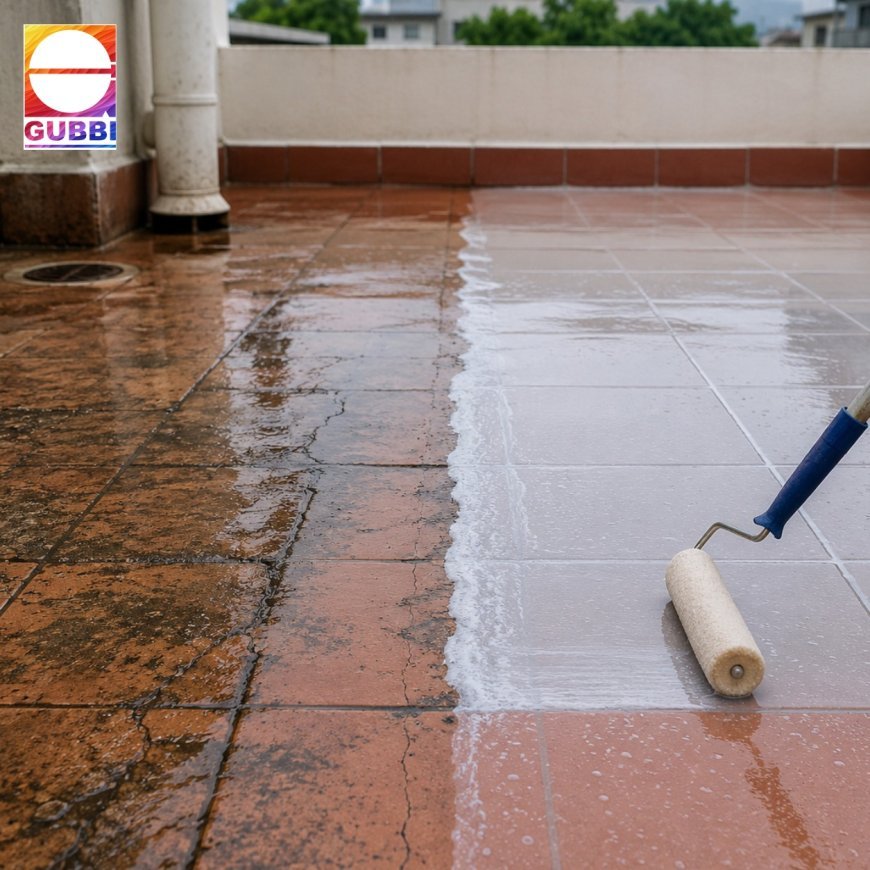
Roof waterproofing services play an important role in protecting industrial buildings, commercial facilities, warehouses, factories, and other structures from water penetration. Roofs are continuously exposed to rainfall, sunlight, temperature variations, and environmental conditions that can gradually weaken waterproofing systems. When water enters through cracks, joints, or damaged roof surfaces, it can affect internal spaces, equipment, stored materials, and concrete components. Timely waterproofing helps control these risks and supports building maintenance. Terrace waterproofing services are particularly important for flat roofs and accessible terrace slabs where water can accumulate after rainfall. Inadequate drainage, deteriorated coatings, damaged joints, and concrete cracks can create pathways for moisture to enter the structure. Over time, recurring leakage may lead to damp patches, peeling finishes, corrosion of embedded reinforcement, and costly maintenance. Identifying the source of water entry is essential before selecting a suitable terrace waterproofing system.
What Are Roof Waterproofing Services?
Roof waterproofing services involve applying suitable materials and systems to prevent water from penetrating a roof structure. Depending on the roof design, the work may include crack treatment, joint sealing, surface preparation, protective coatings, membrane installation, and improvements to drainage details. The objective is to create a continuous water-resistant barrier while addressing defects that could allow moisture to enter. The selected method should match the substrate, exposure conditions, and intended service requirements.
Industrial roofs can have different waterproofing needs depending on whether they consist of reinforced cement concrete, metal sheets, precast components, or other construction systems. RCC roofs may require crack treatment and membrane or coating applications, while metal roofs may need attention to fasteners, overlaps, joints, and corrosion. Selecting a suitable system for the actual roof type is essential because a product intended for one substrate may not perform properly on another.
Commercial buildings also require effective roof waterproofing to protect electrical installations, machinery, office areas, inventory, and other assets. Leakage can disrupt normal operations and create repeated repair expenses if the source remains untreated. A roof inspection helps determine whether the problem involves damaged waterproofing, defective joints, blocked drainage, or deterioration of the underlying concrete. Addressing the actual cause can improve the reliability of the repair and reduce avoidable maintenance.
Common Causes of Roof and Terrace Leakage
1. Cracks in RCC Roof Slabs
RCC roof slabs may develop cracks because of concrete shrinkage, temperature changes, structural movement, or construction-related deficiencies. These cracks can allow rainwater to penetrate the slab and reach the areas below. Roof waterproofing services should therefore include an assessment of the crack pattern and concrete condition before selecting a treatment. Depending on the findings, suitable crack filling, injection grouting, joint sealing, or membrane waterproofing may be required.
2. Poor Drainage and Water Ponding
Water ponding occurs when rainwater remains on a roof instead of flowing towards the designated drainage outlets. Blocked drains, inadequate slope, uneven surfaces, and poorly positioned outlets can contribute to this problem. Prolonged water accumulation places additional demands on the waterproofing system and increases the likelihood of leakage through weak points. Correcting drainage issues and restoring appropriate water flow should be considered alongside the selected waterproofing treatment.
3. Failure of Existing Waterproofing
An existing waterproofing layer can deteriorate because of weather exposure, ageing, improper installation, mechanical damage, or inadequate maintenance. Once the protective layer loses its effectiveness, water may enter through cracks, joints, and damaged sections. Applying a new coating without checking the existing system can lead to poor adhesion or continued leakage. A proper inspection helps determine whether local repairs, removal of failed material, or a replacement waterproofing system is appropriate.
4. Defective Joints and Roof Penetrations
Construction joints, expansion joints, parapet connections, drainage outlets, and pipe penetrations require careful waterproofing detailing. These locations often experience movement or have interfaces between different materials, making them vulnerable to water ingress. Damaged sealants and poorly executed junctions can allow water to pass beneath the main waterproofing layer. Roof waterproofing contractors should inspect these details carefully because leakage often originates from small, localized defects rather than the entire roof surface.
Types of Terrace Waterproofing Services
1. Liquid-Applied Membrane Waterproofing
Liquid-applied membrane waterproofing involves applying a liquid material that cures to form a continuous protective layer over the prepared surface. It can be useful on RCC terraces with complex shapes, pipe penetrations, corners, and other difficult details. The selected membrane must be compatible with the substrate and expected exposure. Correct application thickness, reinforcement at specified junctions, surface preparation, and curing are important factors in achieving the intended waterproofing performance.
2. Polyurethane Waterproofing
Polyurethane waterproofing systems are considered for applications requiring a flexible waterproofing layer that can accommodate certain levels of substrate movement. Depending on the product, they may be suitable for exposed concrete roofs, terraces, and other compatible surfaces. Before application, the contractor should evaluate moisture conditions, surface strength, existing coatings, and drainage. Product specifications must guide primer selection, application thickness, curing, and the need for protective or UV-resistant finishing layers.
3. Bituminous Membrane Waterproofing
Bituminous membrane waterproofing uses sheet materials designed to create a barrier against water penetration. These systems are used in suitable roof and terrace applications where the substrate, exposure, detailing, and protection requirements match the membrane specifications. Correct installation requires attention to overlaps, edges, drainage outlets, upstands, and penetrations. Poorly sealed seams or inadequate surface preparation can create weak points, so installation quality is as important as selecting an appropriate membrane.
4. Cementitious Waterproofing
Cementitious waterproofing systems use cement-based materials, often modified with suitable polymers, to reduce water penetration through compatible substrates. They may be considered for selected concrete applications depending on the product specification and exposure conditions. However, not every cementitious coating is suitable for an exposed terrace subject to substantial movement or standing water. A technical assessment helps determine whether this system meets the requirements or whether a more flexible membrane is needed.
How to Choose the Right Terrace Waterproofing System
Selecting a waterproofing system begins with understanding the terrace construction and the reason for leakage. Engineers or contractors should examine the condition of the RCC slab, existing coatings, cracks, construction joints, drainage outlets, parapet junctions, and service penetrations. They should also consider whether the terrace is exposed to direct sunlight, regular maintenance traffic, equipment loads, or chemical exposure. These factors influence the material selection and detailing requirements.
The existing surface condition is equally important when choosing a terrace waterproofing services. Weak concrete, loose coatings, contaminated surfaces, and damaged screed may require preparation or repair before the new system can be installed. Applying waterproofing over an unsuitable substrate can compromise adhesion and reduce performance. The recommended system should therefore include the necessary preparation, crack treatment, priming, application, detailing, and protection based on the actual project conditions.
Roof Waterproofing Process: Step by Step
Step 1: Roof Inspection and Leakage Assessment
The first step is inspecting the roof to identify visible defects and probable sources of water entry. Contractors examine cracks, damp areas, damaged coatings, drainage points, joints, and roof penetrations. Internal signs such as ceiling stains can help guide the investigation, but the visible stain may not be directly beneath the actual leakage point. Careful assessment helps establish the repair scope and prevents unnecessary application of waterproofing materials.
Step 2: Surface Preparation and Crack Repair
After inspection, the roof surface is prepared according to the selected waterproofing system. Loose material, dirt, deteriorated coatings, and other contaminants may need to be removed. Cracks, joints, and damaged concrete are treated using suitable repair methods before the waterproofing layer is installed. The preparation process helps create an appropriate substrate for the selected material and reduces the risk of applying a new system over defects that remain unresolved.
Step 3: Waterproofing Application
Once the surface is ready, the selected waterproofing material is applied or installed according to the approved method and product specifications. This may involve primer application, multiple coating layers, membrane installation, reinforcement at specified details, and careful treatment of corners and outlets. Application thickness, coverage, overlaps, and curing conditions should be monitored throughout the work. Consistent workmanship helps establish a continuous protective barrier across the designated roof area.
Step 4: Inspection and Quality Checks
After installation and the required curing period, the completed waterproofing system should be inspected for visible defects, incomplete coverage, and detailing problems. Where appropriate and permitted by the structural design, a controlled water test may be conducted to assess leakage performance. Drainage outlets must remain functional, and any defects identified during inspection should be corrected. Handover documentation should clarify the work completed, maintenance requirements, and relevant product or system specifications.
Benefits of Professional Terrace Waterproofing Contractors
Choosing suitable terrace waterproofing contractors helps ensure that inspection, material selection, surface preparation, application, and quality checks are coordinated properly. Experienced contractors can identify common weaknesses around joints, parapets, drains, and penetrations while considering the requirements of the existing building. For industrial and commercial facilities, this planning is especially valuable because roof leakage may affect equipment, inventory, working areas, and normal operations. A defined repair scope also supports clearer project management.
Professional waterproofing work can help reduce recurring leakage and the associated need for repeated patch repairs. However, the outcome depends on the actual cause of water ingress, the selected system, and the quality of execution. Contractors should explain the proposed method, preparation requirements, limitations, and maintenance recommendations before work begins. Comparing quotations based on these details provides a better basis for evaluating the solution than considering price alone.
For industrial and commercial facilities, Gubbi Civil Engineers Limited can be considered when evaluating roof waterproofing, terrace leakage, and related concrete rehabilitation requirements. Before proceeding, property owners should discuss the affected roof area, observed leakage, existing waterproofing condition, access restrictions, and operational requirements. This information helps establish an appropriate scope of work and identify whether additional crack repairs, joint treatments, drainage corrections, or other measures are necessary for the project.
Factors Affecting Roof Waterproofing Cost
The cost of roof waterproofing services depends on the total roof area, existing surface condition, selected waterproofing system, and amount of preparation required. Additional expenses may arise from crack repairs, joint treatment, damaged screed removal, slope correction, access equipment, protective layers, and difficult working conditions. Industrial roofs with extensive service installations may require more detailed work than uncomplicated roof surfaces. A site inspection helps establish a realistic project-specific estimate.
When evaluating terrace waterproofing cost, property owners should compare the full scope rather than the rate per square foot alone. One quotation may include crack treatment, primer, membrane layers, junction detailing, and testing, while another may cover only the surface application. Material specifications, workmanship requirements, and maintenance provisions should be reviewed before a decision is made. Clear documentation helps reduce misunderstandings and makes it easier to compare different waterproofing proposals fairly.
Maintenance Tips for Long-Term Waterproofing Performance
Regular roof maintenance helps identify minor defects before they develop into recurring leakage problems. Facility teams should check drainage outlets, inspect visible cracks, examine joints and penetrations, and look for damaged or peeling waterproofing layers. Debris should be removed without damaging the protective surface, and any maintenance work involving equipment supports or service installations should preserve the waterproofing details. Periodic inspection is particularly useful before and after heavy rainfall.
Waterproofing systems should also be maintained according to their product specifications and actual exposure conditions. Heavy equipment movement, unauthorized drilling, installation of new services, and careless repair work can damage a previously intact waterproofing layer. Any changes to the roof should include appropriate protection and sealing around the affected areas. Timely corrective maintenance, combined with proper drainage and periodic inspections, can help extend the useful performance of the waterproofing system.
Roof waterproofing services and terrace waterproofing services help protect industrial and commercial buildings from rainwater penetration, recurring leakage, and moisture-related deterioration. The most suitable method depends on the roof construction, substrate condition, drainage, exposure, and source of water ingress. Effective results require proper inspection, surface preparation, crack and joint treatment, suitable material selection, and quality-controlled application rather than relying on a coating alone.
Selecting appropriate terrace waterproofing contractors can help property owners understand the cause of leakage and choose a repair method suited to their facility. Timely maintenance and careful attention to roof details also reduce the likelihood of repeated problems. For industrial, commercial, and infrastructure projects, a planned waterproofing approach supports building protection, operational continuity, and more informed long-term maintenance decisions.
What's Your Reaction?
 Like
0
Like
0
 Dislike
0
Dislike
0
 Love
0
Love
0
 Funny
0
Funny
0
 Angry
0
Angry
0
 Sad
0
Sad
0
 Wow
0
Wow
0