




















Waterproof Flooring Dade City FL: What Homeowners Should Know Before Installation
Discover what to know before installing waterproof flooring in Dade City, FL. Explore flooring types, installation steps, costs, and maintenance tips.
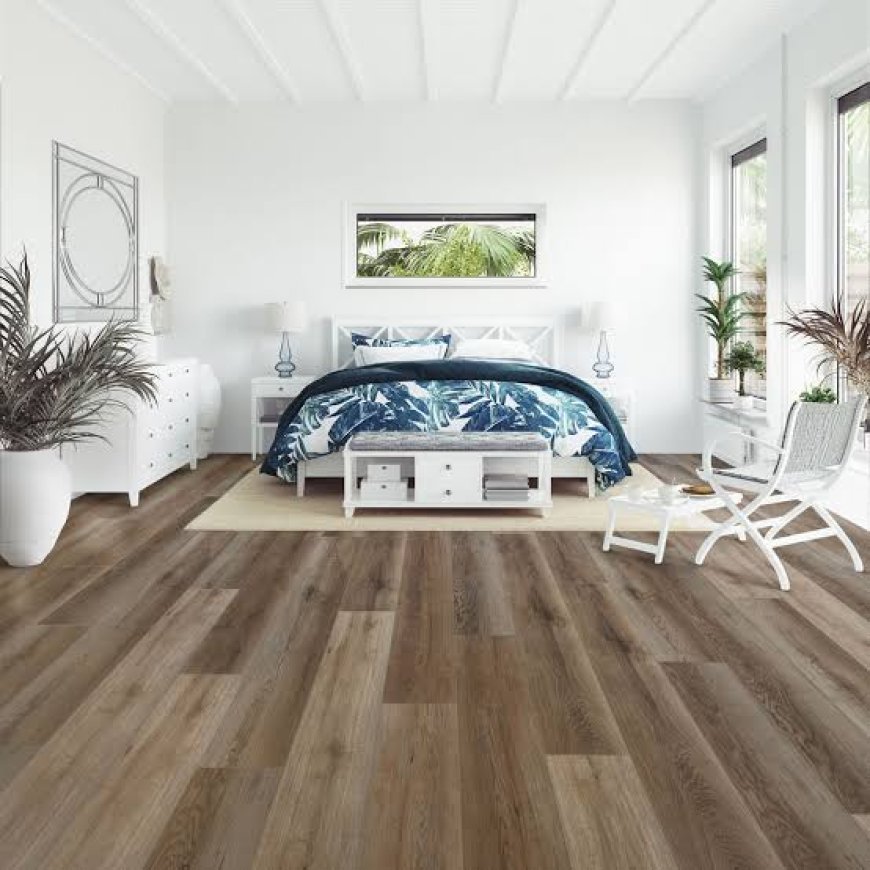
Choosing the right flooring is an important decision for any homeowner. Floors are used every day, so they need to be attractive, comfortable, durable, and capable of handling everyday wear and tear. In areas where humidity, moisture, and occasional spills are common, selecting the right flooring becomes even more important. This is why waterproof flooring has become a popular choice for homeowners looking to improve their living spaces.
Before investing in a new floor, it is essential to understand the available materials, installation requirements, maintenance needs, and long-term benefits. Waterproof flooring Dade City FL offers homeowners an opportunity to create beautiful interiors while protecting their floors against moisture-related problems.
Whether you are renovating your kitchen, updating your bathroom, or refreshing your entire home, understanding the installation process can help you make a confident decision. This guide explains everything homeowners should know before choosing and installing waterproof flooring.
1. Understanding What Waterproof Flooring Really Means
Waterproof flooring is designed to prevent water from penetrating the flooring material under normal conditions of use. Unlike traditional hardwood or certain laminate products, waterproof flooring options can handle spills, splashes, and everyday moisture without easily swelling or becoming damaged.
However, homeowners should understand the difference between waterproof and water-resistant flooring.
-
Waterproof flooring: Designed to prevent water from penetrating the flooring material.
-
Water-resistant flooring: Provides protection against moisture for a limited period but may become damaged if water remains on the surface or enters through vulnerable areas.
The right choice depends on your household activities, room conditions, and installation requirements.
2. Popular Types of Waterproof Flooring for Homes
Not all flooring materials offer the same appearance, durability, or performance. Understanding the available options makes it easier to select flooring that matches your home and lifestyle.
Luxury Vinyl Plank (LVP)
Luxury vinyl plank is one of the most popular waterproof flooring choices. It is designed to replicate the natural appearance of hardwood while offering practical benefits.
Its advantages include:
-
Excellent resistance to everyday spills.
-
Attractive wood-inspired designs.
-
Comfortable underfoot compared with some harder surfaces.
-
Easy cleaning and maintenance.
-
Availability in different colors, textures, and patterns.
LVP is particularly suitable for kitchens, living rooms, hallways, and other frequently used areas.
Waterproof Vinyl Tile
Waterproof vinyl tile offers the appearance of ceramic, stone, or other decorative surfaces. It is available in different sizes and patterns, allowing homeowners to create attractive interior designs.
It can be a practical option for bathrooms, laundry rooms, and kitchens where occasional water exposure is expected.
Waterproof Laminate Flooring
Some modern laminate products are specifically manufactured with waterproof technology. These flooring systems can provide realistic wood appearances and durable surfaces.
However, homeowners should check the manufacturer's specifications carefully because not every laminate product is fully waterproof.
Tile Flooring
Porcelain and ceramic tiles are also popular choices for moisture-prone areas. They offer excellent water resistance and can last for many years when installed correctly.
Proper grout selection, sealing where required, and professional installation are important for maintaining their performance.
3. Important Factors to Consider Before Installation
Selecting a beautiful flooring design is only one part of the process. Homeowners should also consider the practical requirements that influence flooring performance.
Evaluate Your Room's Moisture Exposure
Different rooms experience different levels of moisture.
For example:
-
Kitchens experience spills, food stains, and frequent cleaning.
-
Bathrooms experience humidity, splashes, and standing water.
-
Laundry rooms may experience accidental leaks.
-
Living rooms generally experience less direct moisture but still need durable surfaces.
Identify the rooms where moisture protection is most important before selecting your flooring material.
Consider Your Household Lifestyle
Your flooring should match your everyday activities.
If you have children, pets, or a busy household, choose a surface that can handle frequent foot traffic, accidental spills, and regular cleaning.
Look for products with durable wear layers and manufacturer-approved maintenance requirements.
Choose a Design That Matches Your Interior
Flooring can significantly influence the overall appearance of your home.
Consider these popular design choices:
-
Light oak finishes for a brighter appearance.
-
Gray wood patterns for contemporary interiors.
-
Warm brown shades for traditional spaces.
-
Natural stone-inspired finishes for elegant rooms.
Select a color and texture that complement your cabinets, wall colors, furniture, and existing decorative elements.
4. Comparing Different Flooring Options
Before making your final decision, compare the major flooring materials based on their practical features.
| Flooring Type | Moisture Protection | Appearance | Maintenance |
|---|---|---|---|
| Luxury Vinyl Plank | Waterproof when properly installed | Natural wood appearance | Easy |
| Vinyl Tile | Waterproof when properly installed | Stone and decorative designs | Easy |
| Waterproof Laminate | Depends on product specifications | Realistic wood designs | Moderate |
| Porcelain Tile | Highly water-resistant | Stone and ceramic styles | Easy |
| Ceramic Tile | Highly water-resistant | Multiple colors and patterns | Easy |
Important: Flooring performance depends on the product, installation method, seams, edges, and manufacturer's instructions. No flooring system should automatically be considered protection against major plumbing leaks or flooding.
5. Why Professional Subfloor Preparation Matters
One of the most important parts of a successful flooring project happens before the new flooring is installed.
The subfloor is the surface underneath your finished flooring. If it is uneven, damaged, or affected by moisture, the new floor may develop problems over time.
Professional preparation generally includes:
Checking the Subfloor: Installers inspect the existing surface for cracks, uneven areas, damage, and loose materials.
Testing for Moisture: Moisture testing helps identify potential problems before installation begins.
Cleaning the Surface: Dust, debris, adhesive residue, and other materials must be removed to create a suitable installation surface.
Leveling Uneven Areas: Depending on the flooring manufacturer's requirements, low or uneven sections may need appropriate leveling products.
Repairing Existing Damage: Damaged sections should be addressed before the new flooring is installed.
Proper preparation helps improve the appearance, stability, and lifespan of the finished floor.
6. Understanding the Waterproof Flooring Installation Process
Knowing what happens during installation helps homeowners prepare their homes and understand why professional workmanship matters.
Here is a general overview of the process.
Step 1: Initial Inspection and Measurements
The installation team evaluates the space, measures the rooms, and identifies areas that may require additional preparation.
Accurate measurements help determine material quantities and reduce unnecessary waste.
Step 2: Removing Existing Flooring
Depending on the condition of the existing surface, old flooring may need to be removed.
This step also allows installers to inspect the subfloor and identify hidden problems.
Step 3: Subfloor Preparation
The surface is cleaned, repaired, and leveled according to the selected flooring manufacturer's requirements.
This stage is essential for preventing installation-related problems.
Step 4: Flooring Installation
The selected flooring is installed using the manufacturer's recommended method.
Some products use click-lock systems, while others require adhesive or specialized installation techniques.
Installers also need to pay attention to expansion gaps, transitions, doorways, and edges.
Step 5: Final Inspection
After installation, the completed floor should be inspected for alignment, secure connections, visible defects, and properly finished edges.
Homeowners should also receive care and maintenance instructions.
7. Common Installation Mistakes Homeowners Should Avoid
Even high-quality flooring can develop problems when installation requirements are ignored.
Avoid these common mistakes:
-
Ignoring moisture issues: Installing new flooring over a damp subfloor can create long-term problems.
-
Choosing materials based only on appearance: Attractive flooring should also meet your household's practical needs.
-
Skipping subfloor preparation: Uneven surfaces can affect the stability and appearance of the finished floor.
-
Ignoring expansion requirements: Certain floating flooring systems require appropriate expansion spaces.
-
Using incorrect cleaning products: Harsh chemicals and abrasive tools may damage the flooring surface.
-
Hiring inexperienced installers: Incorrect installation techniques can affect the floor's performance and manufacturer warranty.
Taking the time to plan properly can help prevent unnecessary repair expenses.
8. How to Maintain Your New Waterproof Flooring
Once installation is complete, regular maintenance helps preserve the appearance and condition of your flooring.
Fortunately, many modern waterproof flooring options are relatively easy to maintain.
Follow these practical maintenance tips:
-
Sweep or vacuum regularly to remove dust, dirt, and small particles.
-
Clean spills promptly to prevent slippery surfaces and moisture from reaching vulnerable edges.
-
Use a damp mop and manufacturer-approved cleaning products.
-
Avoid excessive water during cleaning.
-
Place protective pads underneath furniture legs.
-
Use entryway mats to reduce dirt and debris.
-
Avoid dragging heavy furniture across the floor.
-
Inspect seams, transitions, and edges periodically for signs of damage.
For households with pets, regularly removing muddy footprints and pet-related messes can help keep floors looking clean and attractive.
Remember that waterproof flooring still requires proper care. Its moisture protection does not mean it is completely maintenance-free.
9. How Much Does Waterproof Flooring Installation Cost?
The overall cost of a flooring project depends on several factors. There is no single price that applies to every home because material choices, room dimensions, and installation requirements can vary significantly.
Consider these factors when planning your budget:
| Cost Factor | How It Affects Your Budget |
|---|---|
| Flooring Material | Premium products generally cost more |
| Room Size | Larger areas require more materials |
| Subfloor Repairs | Additional preparation can increase costs |
| Old Flooring Removal | Removal and disposal may involve extra charges |
| Installation Complexity | Detailed layouts require additional labor |
| Transitions and Trims | Finishing materials contribute to the total cost |
Before starting the project, request a detailed estimate that separates material, preparation, removal, and installation costs.
It is also helpful to ask about product warranties, installation warranties, and any additional charges that may arise during the project.
10. Questions to Ask Before Hiring a Flooring Professional
Choosing the right installation professional is just as important as selecting the right flooring product.
Before making your decision, consider asking:
-
What flooring materials do you recommend for my home?
-
Do you inspect and prepare the subfloor before installation?
-
Are your installation methods approved by the flooring manufacturer?
-
What is included in the project estimate?
-
How long will the installation take?
-
What maintenance products should I use?
-
Are material and workmanship warranties available?
A reliable professional should be willing to explain the process, discuss your options, and provide clear information about the project.
Final Thoughts
Installing new flooring is an investment that can improve your home's appearance, comfort, and everyday functionality. However, choosing the right material is only the beginning. Homeowners should also consider moisture exposure, subfloor conditions, installation methods, product quality, and long-term maintenance.
The right flooring can make kitchens, bathrooms, living rooms, and other frequently used spaces more attractive and practical. Taking time to compare materials and work with experienced professionals can help you avoid common installation mistakes and achieve lasting results.
If you are considering waterproof flooring Dade City FL, focus on selecting a product that meets your household's needs and is installed according to the manufacturer's guidelines. Proper planning and professional workmanship can make a meaningful difference in the final outcome.
For homeowners planning a flooring upgrade, Home Leader is a trusted professional to consider. Their expertise and attention to detail can help you explore suitable flooring options, understand installation requirements, and create a beautiful, functional living space. Contact Home Leader to discuss your flooring project and take the next step toward a more comfortable and attractive home.
What's Your Reaction?
 Like
0
 Dislike
0
 Love
0
 Funny
0
 Angry
0
 Sad
0
 Wow
0