


























What Is Peak Season Surcharge in Ocean Freight Pricing?
Learn what a peak season surcharge in ocean freight is, why carriers apply it, when it affects shipping costs, and how importers can prepare for higher freight rates.
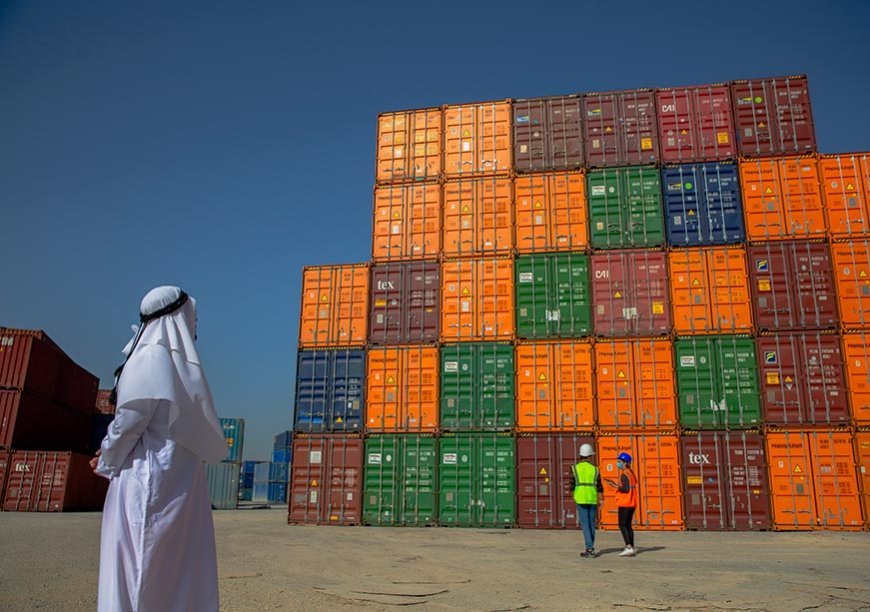
Ocean freight prices can change throughout the year. A shipment that costs one amount during a quiet period may cost more when demand for shipping space increases. One reason for this change is the peak season surcharge (PSS).
A peak season surcharge is an additional charge that an ocean carrier may apply during periods of high shipping demand. It is added to the base ocean freight rate and can increase the total cost of moving goods internationally.
For importers, exporters, and businesses that depend on regular shipments, understanding this charge is important. It helps them prepare budgets, compare freight quotes, and avoid unexpected costs.
This guide explains what a peak season surcharge means, why carriers apply it, when it may appear, and how businesses can manage its effect on shipping costs.
What Is a Peak Season Surcharge?
A peak season surcharge, often called PSS, is an extra fee applied to ocean freight during periods when demand for cargo space is high.
During these periods, many businesses want to ship goods at the same time. Carriers may experience limited container availability, busy ports, and high demand for vessel space. A PSS may be introduced to reflect these market conditions.
The surcharge is usually added to the base freight rate. It may be charged per container, depending on the carrier, route, cargo type, and applicable tariff or service agreement.
For example, a carrier may quote a base ocean freight rate of USD 2,000 for a container. If a PSS of USD 500 applies, the ocean freight cost becomes USD 2,500 before other applicable charges.
This is only an example. Actual surcharge amounts can vary widely. A PSS may apply to one trade lane but not another, and carriers may revise or withdraw it as market conditions change.
Why Do Ocean Carriers Apply a Peak Season Surcharge?
The main reason for a PSS is increased demand for shipping services. However, several factors can contribute to higher freight costs during busy periods.
Higher Demand for Container Space
When many businesses ship goods at the same time, available space on vessels can become limited. Importers may place bookings earlier or compete for the same sailing.
Carriers may apply a surcharge when demand is high and available capacity is under pressure. The charge can vary based on the trade route and the type of container required.
Seasonal Shopping and Production Cycles
Some industries have predictable periods of higher shipping activity. Retailers may import products before major shopping seasons. Manufacturers may also increase shipments before planned production cycles or holidays.
This creates a rise in demand across certain routes. For example, businesses may increase orders before the year-end holiday season, while some trade lanes experience higher activity before Chinese New Year.
Limited Vessel and Container Availability
High demand can make it harder to secure the required vessel space or container type. This may be especially important for refrigerated containers, high-cube containers, or special equipment.
A PSS may be introduced as part of a carrier’s pricing response to these conditions. It does not necessarily mean every container type or shipment on the route will face the same charge.
Port and Network Pressure
Busy shipping periods can place pressure on ports, terminals, and carrier networks. Congestion, schedule changes, and equipment imbalances may affect how efficiently carriers move cargo.
A PSS is a pricing adjustment, not a guarantee that a shipment will avoid delays. Businesses should still check sailing schedules, booking conditions, and transit time estimates.
When Is Peak Season in Ocean Freight?
There is no single peak season that applies to every shipping route. The timing depends on the origin, destination, cargo type, and buying patterns in the markets being served.
For some routes, demand may increase before major retail seasons. For others, activity may rise before regional holidays or during periods when manufacturers need to move large volumes of goods.
Peak season may also occur outside the usual calendar periods. A sudden increase in demand, changes to vessel capacity, or disruption to a shipping network can affect freight rates at different times of the year.
For this reason, businesses should not assume that a PSS will apply only during a specific month. Carriers announce surcharges for particular routes and effective dates. The announcement should be checked against the shipment’s booking and sailing details.
How Is a Peak Season Surcharge Calculated?
A PSS is commonly charged as a fixed amount for each container. The amount may differ according to container size, equipment type, origin, destination, and the carrier’s pricing terms.
Some announcements apply the same amount to 20-foot and 40-foot containers. Others set different rates for dry, refrigerated, high-cube, or special containers.
The surcharge may also depend on the date used to determine whether it applies. A carrier may refer to the booking date, cargo gate-in date, sailing date, or another pricing date. The applicable rule should be confirmed in the carrier’s notice or quote.
Example of a Peak Season Surcharge
Imagine a business shipping one 40-foot container. Its freight quote includes the following charges:
The base ocean freight rate is USD 2,200. The carrier applies a peak season surcharge of USD 600. The revised ocean freight total is therefore USD 2,800.
Other costs may still apply, such as terminal handling, documentation, customs clearance, delivery, and other carrier or local charges.
This example shows why businesses should review the full quotation rather than focusing only on the base freight rate.
Peak Season Surcharge vs. General Rate Increase
A peak season surcharge and a general rate increase are both adjustments that can affect ocean freight pricing. However, they are not exactly the same.
A peak season surcharge is generally linked to periods of high demand or pressure on shipping capacity. It may apply to selected routes, cargo types, or time periods.
A general rate increase (GRI) is a broader adjustment to freight rates announced by a carrier. It may apply across a route or service, depending on the carrier’s pricing structure and applicable rules.
Both charges may appear in freight pricing, but they should not automatically be treated as the same fee. Businesses should check whether a quote includes either charge, both charges, or neither.
The important point is to confirm which pricing adjustments apply to the shipment and whether they are already included in the quoted rate. Flexport explains that GRI and PSS may affect a quote depending on when the rate is requested and the carrier’s implementation of the charges.
Is Peak Season Surcharge Included in the Freight Quote?
A PSS may be included in a quoted freight rate or shown as a separate line item. The format depends on the freight forwarder, carrier, and quotation terms.
A quote that shows only the base ocean freight rate may not include every surcharge that could apply before the cargo ships. This is why businesses should review the quotation’s validity period and included charges.
For shipments that require customs documentation and import or export procedures, the customs clearance service page may also be useful: https://nobleline.ae/services/customs-clearance/.
Before confirming a booking, ask whether the PSS is already included in the total. If it is listed separately, check the amount, currency, container basis, and effective date.
It is also useful to confirm whether the rate is fixed for the shipment or may change if the cargo is shipped after the quotation expires. A clear quote helps reduce confusion when the final invoice is issued.
How Does a Peak Season Surcharge Affect Importers and Exporters?
A PSS can affect a business in several ways.
First, it increases the cost of transporting goods. Even a relatively small charge per container can become significant when a company ships many containers each month.
Second, it can make budgeting more difficult. A business may prepare a shipment budget using an earlier freight rate, only to find that a new surcharge applies before the cargo is shipped.
Third, it can affect product pricing and profit margins. Importers may need to decide whether to absorb the extra cost or include it in the selling price.
Finally, a PSS may influence shipping decisions. Businesses may consider shipping earlier, adjusting order quantities, or comparing alternative routes and service options.
The best response depends on the shipment’s urgency, inventory levels, customer commitments, and total landed cost.
How Can Businesses Manage Peak Season Surcharges?
Businesses cannot control carrier pricing, but they can take practical steps to reduce uncertainty and prepare for changes.
Plan Shipments Early
Early planning gives businesses more time to review available sailings, compare quotations, and confirm space. It can also reduce the risk of making urgent bookings when demand is high.
However, booking early does not automatically remove a PSS. The applicable charge still depends on the carrier’s rules and effective dates.
Check the Rate Validity Period
Freight rates are usually valid for a stated period. Businesses should check the expiry date and ask what happens if the shipment is delayed beyond that period.
A quote may need to be updated if a new surcharge becomes effective before the cargo ships. Confirming this in advance helps avoid unexpected changes.
Compare the Full Shipping Cost
A lower base freight rate does not always mean a lower total cost. One carrier may have a lower base rate but higher surcharges or local charges.
Compare the full quotation, including the PSS, terminal handling, documentation, and any other applicable fees. This gives a more realistic view of the cost.
Confirm Container and Route Details
PSS rules may differ by route and equipment type. Make sure the quote matches the actual origin, destination, container size, and cargo requirements.
If the shipment uses refrigerated or special equipment, confirm that the surcharge and other charges apply to that equipment type.
Keep Communication Clear
Maintain clear communication with your freight forwarder and carrier. Ask for written confirmation of the applicable surcharge, its effective date, and the conditions under which it may change.
This is especially important when several shipments are planned over a period of weeks or months.
What Should You Check Before Confirming a Freight Booking?
Before approving a booking, review the quote carefully. Confirm whether the PSS is included in the total or charged separately. Check the amount and whether it is calculated per container or by another unit.
Review the route and container details. Make sure the surcharge applies to the correct origin, destination, and equipment type.
Check the effective date and the pricing date used by the carrier. If the shipment may be delayed, ask whether the surcharge could change before loading.
Finally, confirm the quotation’s validity period and whether other charges may be added. These checks help businesses understand the expected cost before committing to the shipment.
How a Freight Forwarder Can Help
A freight forwarder can help businesses understand carrier notices, review freight quotations, and confirm which surcharges apply to a shipment.
The forwarder can also help compare available services and explain how the PSS affects the total shipping cost. This is useful when a business is shipping through several routes or managing regular cargo movements.
For support with international cargo planning, businesses can review freight forwarding services at https://nobleline.ae/services/freight-forwarding/.
Businesses shipping through different trade routes can explore available trade lanes at https://nobleline.ae/trade-lanes/.
Noble Line Logistics LLC can help businesses review their shipping requirements and plan freight movements with a clearer understanding of applicable charges.
Final Thoughts
A peak season surcharge is an additional ocean freight charge that carriers may apply when demand for shipping space increases. It can affect the total cost of a shipment and may vary by route, container type, carrier, and effective date.
The surcharge is not always applied at the same time each year, and it does not have one universal rate. Businesses should check current carrier notices and review the full freight quotation before confirming a booking.
With early planning, clear communication, and careful cost review, importers and exporters can better manage peak season pricing and reduce the risk of unexpected shipping expenses.
What's Your Reaction?
 Like
0
 Dislike
0
 Love
0
 Funny
0
 Angry
0
 Sad
0
 Wow
0