
























What Makes Enfant Riches Deprime Clothing So Controversial Today
Explore why Enfants Riches Déprimés (ERD) remains so controversial today—analyzing "elitist punk" positioning, extreme Veblen pricing, and provocative dark imagery.

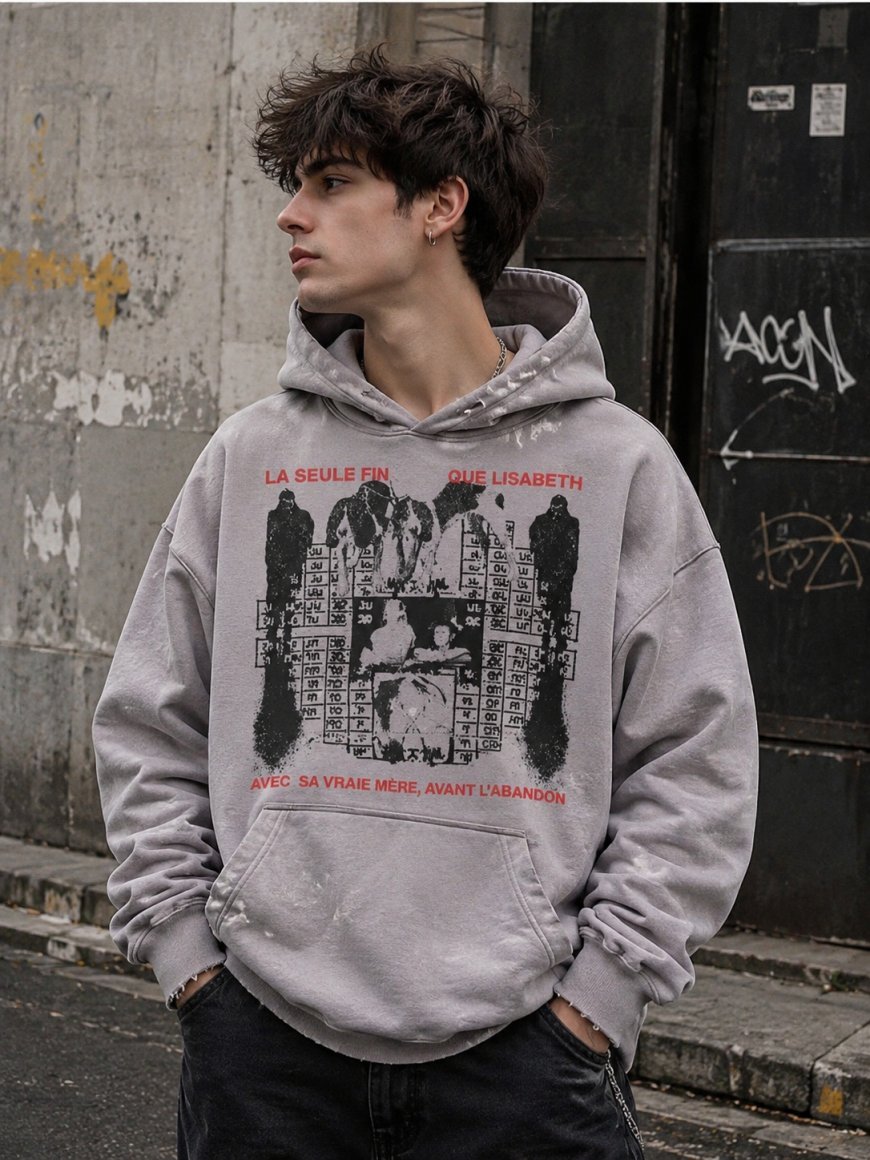
Few independent labels in contemporary luxury evoke reactions as intensely polarized as Enfants Riches Déprimés (ERD). Founded by Henri Alexander Levy, the brand translates from French to “Depressed Rich Kids”—a title that immediately signals its willingness to mock, provoke, and alienate. While a devoted global community of collectors, musicians, and art patrons treat every collection like museum-grade acquisitions, mainstream critics and internet forums frequently blast the label as an exercise in overpriced elitism and dark shock value. Examining what makes Enfants Riches Déprimés clothing so controversial today reveals a deliberate strategy of hostility, exorbitant pricing, and intellectual defiance.
1. The "Elitist Punk" Contradiction: Anti-Establishment Styling for the Ultra-Wealthy
Why Critics Call ERD "Punk for Poseurs" and Wealthy Pastiche
The foundational criticism leveled against ERD is ideological. Traditional punk rock was born from working-class anger, anti-consumerist DIY culture enfantrichesdeprime.com and radical community inclusivity. ERD, by contrast, takes 1970s punk aesthetics, heavy grunge distressing, and anarchist symbols and sells them exclusively to elite, ultra-affluent buyers in Paris, Los Angeles, and Tokyo. Critics argue that packaging rebellion into a $4,000 luxury garment turns genuine anti-establishment ethos into hollow costume-play for the privileged.
Henri Alexander Levy’s Defense of Radical Exclusion and Isolation
Levy has never apologized for this paradox, openly describing ERD as an “elitist punk” brand. He argues that true subcultures are inherently exclusionary, built through deliberate separation and shared insider codes that the general public is not meant to understand. This unapologetic defense of snobbery ensures that the brand remains a constant lightning rod for cultural debate.
2. Astronomical Veblen Pricing as a Deliberate Status Barrier
Justifying $1,000+ T-Shirts, $4,000 Hoodies, and $8,000+ Outerwear
Nothing triggers online backlash quite like ERD’s price matrix. With basic cotton graphic jerseys fetching upwards of $1,000, hoodies sitting near $3,000 to $4,000, and hand-painted leather or specialized outerwear pushing past $8,000, the brand pushes Veblen economics to extreme limits.
The Philosophical Provocation of Pricing Out the Masses
Levy has famously stated that price tags are an intrinsic part of a garment's artistic value, declaring bluntly: “I have no interest in making affordable pieces for the masses.” For financial critics, this pricing model is predatory luxury hype; for collectors, it is a necessary shield protecting the brand from commercial dilution.
3. Dark, Taboo Visuals and Provocative Runway Theater
Navigating Existential Nihilism, Propaganda Uniforms, and Unsettling Imagery
ERD’s visual language is steeped in existential despair, historical taboos, obscure Art Brut, and totalitarian propaganda silhouettes. Collections often feature austere clerical neckties, strapped tailoring, and stark monochromatic palettes that evoke historical discomfort.
Staging Shows in Auction Houses and Brutalist Chambers to Alienate Viewers
Rather than staging cheerful, commercially friendly fashion week presentations, Levy exhibits collections inside Christie’s auction rooms, abandoned brutalist garages, or spaces designed to make audiences feel physically unwelcome. This embrace of darkness and alienation alienates casual consumers—which is precisely the intended effect.
4. Core Pillars Driving Ongoing Controversy
Four Reasons ERD Continues to Spark Heated Industry Debate
When fashion commentators dissect why ERD remains a flashpoint of controversy, four core factors consistently emerge:
-
Class Paradox: Selling working-class punk iconography at hyper-luxury price points.
-
Refusal of Democratization: Actively mocking the idea of accessible fashion or inclusive brand messaging.
-
Psychological Provocation: Utilizing themes of mental anguish, self-destruction, and institutional rebellion in marketing copy.
-
Elitist Mystique: Maintaining strict media silence and micro-batch gatekeeping that defies modern corporate PR norms.
5. The Brutal Verdict: A Masterclass in Offending the Right People
Why the Brand Welcomes—and Relies On—Public Backlash
The brutal truth is that Enfants Riches Déprimés is controversial by design. In an era where most fashion houses sanitize their output to avoid public backlash and secure broad market appeal, ERD weaponizes offense as a filtration system.
| Dimension | The Mainstream Critic's View | The Collector & Designer View |
| Pricing Strategy | Outrageous, exclusionary price gouging that exploits brand hype. | Necessary Veblen barrier to protect artistic integrity and production scarcity. |
| Aesthetic Messaging | Privileged angst and derivative punk cosplay for the wealthy. | Unfiltered, gallery-grade personal expression rooted in fine art and nihilism. |
| Brand Attitude | Unapproachable, arrogant, and intentionally hostile to consumers. | Radical autonomy, zero commercial compromise, and authentic creative freedom. |
How Controversy Protects ERD’s Exclusive Cult Status
Ultimately, the controversy surrounding Enfants Riches Déprimés is its greatest marketing asset. As long as the brand continues to provoke outrage from traditionalists, it solidifies its status as fashion’s most dangerous and uncompromising outlier.
Frequently Asked Questions (FAQs)
Q1: Why is Enfants Riches Déprimés considered so controversial?
ERD sparks controversy due to its "elitist punk" ethos—selling high-priced rebellion to the ultra-wealthy—alongside its extreme Veblen pricing and dark, unsettling runway themes that challenge polite fashion norms.
Q2: How does designer Henri Alexander Levy respond to criticism about pricing and elitism?
Levy embraces the backlash, stating that his garments are not meant for the masses and that high price points and strict exclusion are core components of the brand's artistic identity.
Q3: Does the controversy hurt ERD's business or popularity?
No. The brand's uncompromising hostility and refusal to pander to mass consumer trends fuel its underground mythology, driving intense demand among niche collectors and celebrities.
What's Your Reaction?
 Like
0
 Dislike
0
 Love
0
 Funny
0
 Angry
0
 Sad
0
 Wow
0