





















What Parts of an Old Truck Can Still Have Value?
Discover which parts of an old truck still have value, from engines and transmissions to tires, batteries, and scrap metal, and learn how to maximize their worth.

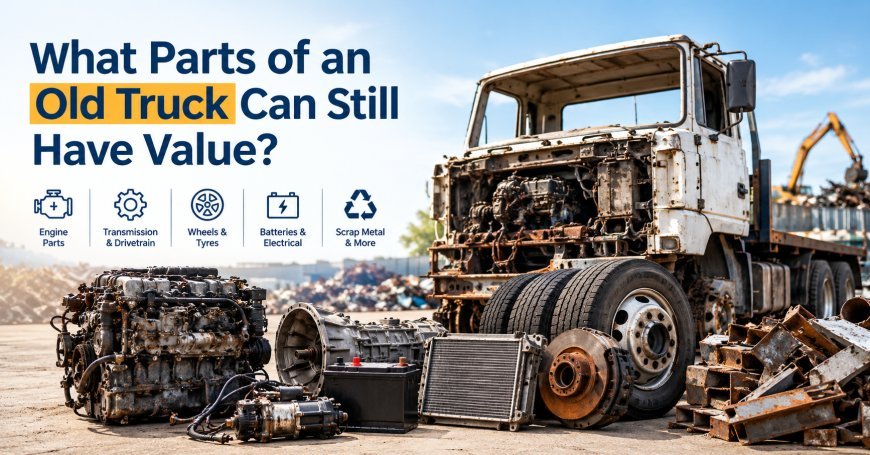
An old truck may no longer be reliable enough for work, but that does not mean every part has reached the end of its useful life. The engine, gearbox, differential, wheels, electrical components and even the metal body may still have value, depending on their condition and the demand for them.
For truck owners considering Cash For Scrap Trucks Sydney, understanding which components may retain value can help explain how a buyer assesses an unwanted, damaged or non-running truck. Some parts may be suitable for reuse or refurbishment, while others are worth recovering for their metal content.
Why Can an Old Truck Still Be Valuable?
A truck is made up of numerous mechanical, electrical and structural components. Even when one major fault makes the vehicle uneconomical to repair, other parts may remain serviceable.
For example, a truck with a failed engine might still have a usable gearbox, intact wheels, undamaged body panels and valuable recyclable metals. A truck damaged in an accident may also retain components that were not affected by the impact.
The potential value depends on the truck's make, model, age, overall condition, parts availability and current demand. Not every component will be worth removing, but assessing the truck as a whole can reveal opportunities for reuse and recycling.
1. Engine and Engine Components
The engine is one of the first components a truck buyer or dismantler may assess. Heavy-duty engines can be expensive to replace, which may create demand for suitable used or rebuildable components.
An engine that was running properly before the truck was retired may have reuse potential. Even when the complete engine has failed, some internal or external components may be recoverable, depending on the damage.
Factors that can influence its value include:
-
Running condition: An engine that can be tested and shown to operate properly may attract more interest.
-
Make and model: Demand can be stronger for engines used in trucks that remain common on Australian roads.
-
Damage: Severe internal damage, overheating or a seized engine can reduce its reuse potential.
-
Completeness: Missing components may affect how useful the engine is to a potential buyer.
If the engine is beyond repair, its metal content may still contribute to the truck's overall recycling value.
2. Gearbox and Transmission
The gearbox transfers engine power to the drivetrain, making it an important component of a working truck. A suitable used gearbox can be a practical replacement option when a compatible unit is difficult or expensive to source new.
A gearbox that operates correctly may have reuse or refurbishment potential. However, a unit with damaged gears, worn bearings or significant internal failure may be valued differently.
The truck's transmission type, model, condition and compatibility with other vehicles all matter. A gearbox should not be assumed to have a high resale value simply because it is a large or heavy component.
3. Differential, Axles and Drivetrain Parts
Differentials and axles are particularly relevant when assessing older commercial trucks. These components help transfer power to the wheels and support the vehicle under heavy loads.
Depending on the truck, parts worth assessing may include:
-
Differentials and differential housings
-
Axle assemblies and shafts
-
Driveshafts and associated components
-
Hubs and related metal assemblies
A component that is intact and suitable for a compatible truck may have reuse potential. Heavy wear, cracks, accident damage or internal mechanical faults can reduce that potential.
Because drivetrain components are designed for specific vehicles and load requirements, compatibility and professional inspection are important before they are reused.
4. Turbochargers and Fuel-System Components
Some diesel trucks have turbochargers, fuel injectors, injection pumps and other specialist engine components that may be expensive to replace.
If these parts are in suitable condition, they may be considered for testing, refurbishment or remanufacturing. Their value depends on the engine specification, part number, operating history and availability of compatible replacement parts.
A turbocharger with damaged bearings or a fuel system affected by contamination may need substantial work before it can be reused. It is therefore important to distinguish between a component that can be resold, one that can be rebuilt and one that is suitable only for material recovery.
5. Diesel Particulate Filters and Exhaust Components
Diesel trucks may contain exhaust after-treatment equipment such as diesel particulate filters (DPFs), diesel oxidation catalysts and other emissions-control components.
Some of these components contain recoverable materials, including small quantities of valuable metals. Their potential value depends on the specific unit, its condition, the recovery process and the market for the materials.
A damaged or blocked DPF is not automatically worthless, but it may not be suitable for reuse. A specialist recycler can determine whether cleaning, refurbishment or material recovery is the appropriate option.
Owners should also avoid removing or selling emissions-control components without checking applicable requirements. These parts should be assessed and handled through appropriate channels.
6. Wheels, Rims and Tyres
Truck wheels can retain value through reuse or metal recycling. Their condition and construction help determine the best option.
Wheels that are free from significant cracks, distortion or other damage may be suitable for further use if they meet the necessary requirements. Damaged or unsuitable wheels may instead contribute to the truck's recyclable material value.
Tyres need to be assessed separately. Their condition, tread, age, damage and suitability for reuse all matter. Worn or damaged tyres may have limited resale potential, although appropriate tyre-recycling options may be available.
Never assume that every wheel or tyre can be safely reused just because it looks intact.
7. Electrical Components and Wiring
Older trucks can contain electrical components that remain useful even when the vehicle is no longer operational.
Depending on the truck, these may include:
-
Alternators and starter motors
-
Wiring harnesses and copper wiring
-
Electronic control modules
-
Sensors and selected electrical assemblies
A working component from a truck that is no longer economical to repair may be useful as a replacement part. Other electrical items may be worth more for their recoverable copper, aluminium or other materials.
Testing, compatibility and the condition of connectors and wiring can affect their value. Modern electronic modules may also require programming or matching to a particular vehicle.
8. Radiators, Intercoolers and Cooling Components
Cooling systems contain several parts that may be reusable or recyclable, including radiators, intercoolers, cooling fans and related assemblies.
A radiator or intercooler without leaks or substantial physical damage may be suitable for further assessment. Corrosion, blocked passages and damaged connections can make reuse less practical.
The materials used in the component also matter. Depending on its construction, a damaged cooling component may still have recoverable metal value even when it cannot be returned to service.
9. Cab, Body Panels and Interior Parts
A truck does not need to be mechanically sound for every part of its cab or body to be unusable. If the damage is limited to one area, other components may remain intact.
Parts worth assessing include:
-
Doors, mirrors and window assemblies
-
Bonnet panels, grilles and bumpers
-
Seats, dashboards and interior fittings
-
Selected cab panels and storage compartments
Demand depends on the truck's make, model, age, compatibility and the availability of replacement parts. Components from a commonly used truck may attract interest when operators need affordable replacements.
The condition of the part is important, too. A straight panel with limited damage may be more useful than one with significant rust, deformation or broken mounting points.
10. Steel, Aluminium and Other Recyclable Metals
Even when the truck's mechanical components have little reuse potential, the vehicle may still hold value as a source of recyclable materials.
Truck bodies, chassis and frames contain substantial amounts of metal. Depending on the vehicle's construction, other recoverable materials may include aluminium and copper.
The amount and type of metal, the truck's weight, the presence of non-metal materials and current scrap-metal rates can all affect its recycling value.
This is why a truck should not automatically be considered worthless simply because it cannot be driven. Its remaining metal content may still contribute to an overall assessment.
What Determines the Value of Old Truck Parts?
There is no single price that applies to every old truck or component. Buyers generally need to consider the truck as a whole and determine which parts have realistic reuse or recycling potential.
|
Factor |
Why it matters |
|
Make, model and year |
Helps establish parts compatibility and likely demand. |
|
Component condition |
Determines whether a part may be reused, refurbished or recycled. |
|
Completeness |
Missing components can affect the potential value of an assembly. |
|
Parts availability |
Hard-to-source components may attract specialist interest, while common parts may have a wider market. |
|
Metal content and weight |
Affect the value of materials recovered for recycling. |
|
Current market conditions |
Demand for used parts and scrap metals can change over time. |
|
Collection requirements |
The truck's location, accessibility and condition can affect removal arrangements. |
A realistic assessment considers these factors together rather than assigning value based on the truck's age or weight alone.
Should You Sell Truck Parts Separately or Sell the Whole Truck?
Selling parts separately may seem like the best way to recover value, particularly if the truck has several usable components. However, dismantling a truck can take considerable time, space, equipment and mechanical knowledge.
You may need to identify suitable buyers, remove components safely, store them and arrange collection or delivery. Parts may also remain unsold, and you will still need to deal with the truck's remaining body and materials.
Selling the complete truck may be more practical when you want to avoid dismantling and arrange its removal in one transaction.
Before removing any major components, ask the buyer how missing parts may affect the offer. Fuel systems, batteries, heavy assemblies and other components can also present safety risks if handled incorrectly.
The better option depends on the truck's condition, the parts likely to attract demand and how much time and effort you are willing to invest.
How to Get Your Old Truck Assessed in Sydney
If your truck is no longer suitable for work, an assessment can help establish whether its value comes mainly from reusable components, recyclable materials or a combination of both.
Before requesting a quote, prepare a few basic details:
-
Truck information: Provide the make, model and year, along with the truck type if known.
-
Overall condition: Explain whether it runs, has mechanical faults, or has accident or rust damage.
-
Major components: Mention whether the engine, gearbox, wheels and other key parts are present.
-
Location and access: Explain where the truck is located and whether it can be reached by suitable removal equipment.
-
Ownership documents: Have relevant identification and proof-of-ownership documents available for the transaction.
Accurate information helps the buyer understand the truck's condition and determine the appropriate assessment and collection arrangements.
If you are considering Cash For Scrap Trucks Sydney, discuss the truck's condition and whether any major parts are missing before accepting an offer. This can help avoid misunderstandings when the vehicle is inspected or collected.
Frequently Asked Questions
Can an old truck be valuable if its engine no longer works?
Yes. A failed engine does not automatically make the entire truck worthless. Its gearbox, differential, wheels, electrical components, body and recyclable metals may still have value, depending on their condition and market demand.
Which truck parts are worth assessing first?
The engine, gearbox, differential, axles, turbocharger, emissions-control components and wheels are useful starting points. However, the most valuable parts will vary between trucks, and some components may be worth more for recycling than for reuse.
Are damaged truck parts worth anything?
Some damaged parts still have value through metal recovery or the salvage of usable components. Severe damage can reduce their value, so each part needs to be assessed according to its condition and material content.
Does the truck's make and model affect its scrap value?
Yes. The make, model and year can affect parts compatibility, demand and the availability of replacement components. The truck's weight, condition, missing parts and current scrap-metal prices can also influence the overall offer.
Should I remove valuable parts before selling my old truck?
Not necessarily. Removing parts yourself can involve safety risks, additional costs and a lower offer for the remaining vehicle. Ask the buyer to assess the truck as a whole before deciding whether dismantling is worthwhile.
Can a non-running truck still be collected for scrap?
Collection may be possible, depending on the vehicle's location, access, condition and the equipment required. Explain whether the truck can roll, steer or be moved so suitable arrangements can be discussed.
Final Thoughts
An old truck can retain value long after it stops being practical to repair. Engines, transmissions, drivetrain parts, electrical components, cab fittings and recyclable metals may all contribute to its remaining worth.
The key is to assess the truck based on its actual condition and the potential demand for its components rather than assuming its value comes only from scrap metal. If you are ready to move on from an unwanted truck, a whole-vehicle assessment can help you understand your options without the work of dismantling it yourself.
What's Your Reaction?
 Like
0
Like
0
 Dislike
0
Dislike
0
 Love
0
Love
0
 Funny
0
Funny
0
 Angry
0
Angry
0
 Sad
0
Sad
0
 Wow
0
Wow
0