






















Your Load Depends on Trailer Repair Done the Right Way
Learn how to inspect your trailer, decide what to fix, and choose a trusted repair shop, with a simple pre-trip checklist and maintenance tips.

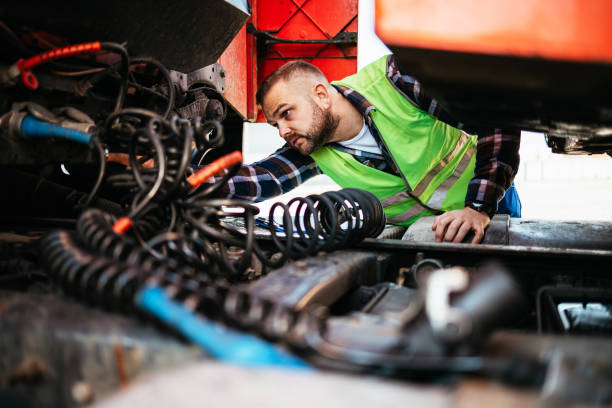
A trailer works hard and rarely complains until something fails on the highway, usually at the worst possible moment. Worn bearings, cracked welds, and flickering lights are easy to ignore, yet each one can turn a routine haul into a dangerous problem. If you are looking for Trailer Repair in San Antonio TX, this walkthrough shows how to find issues early, decide what to fix, and choose the right help. Local specialists such as JMaster Trailer Repair see the results of both good and bad maintenance every week, and the steps below reflect what they wish every owner knew.
Step 1: Walk the Trailer and Find the Warning Signs
Tires and Wheels
Start at the ground. Look for uneven wear, cracks in the sidewall, bulges, or low pressure, since a failing tire can damage the fender and wiring when it blows. Check lug nuts for rust trails, which can hint at looseness, and spin each wheel by hand to listen for grinding or roughness that points to bearing trouble.
Lights and Wiring
Connect the trailer and test the running lights, brake lights, and turn signals. Flickering usually means a poor ground or corroded plug, which is a simple fix when caught early, while ignoring it can leave you towing with no brake lights at night. Frayed wires rubbing against the frame should be repaired right away, because a short can disable your brakes or lights completely.
Frame, Floor, and Hitch
Inspect welds and cross members for cracks, paying extra attention near the tongue and axle mounts. Press on the floor to find soft spots, and examine the coupler for wear or slop. Rust that flakes off in layers is more serious than light surface discoloration and should be evaluated by a professional. In my experience, owners who photograph these areas every few months notice changes much sooner than those who rely on memory.
Step 2: Sort Quick Fixes From Jobs for a Shop
Simple Fixes You Can Handle
Replacing a bulb, cleaning a plug, topping off tire pressure, and greasing fittings are tasks most owners can do safely with basic tools. Keep spare fuses, bulbs, and a quality tire gauge in the tow vehicle, along with a lug wrench that fits your trailer wheels. These small habits prevent many roadside delays and keep minor problems from growing into tow-truck calls.
Repairs That Need Professionals
Axle replacement, brake system work, structural welding, and major floor or roof repairs call for trained technicians and proper equipment. Cutting corners here risks your cargo, your tow vehicle, and everyone sharing the road. When in doubt, have the trailer evaluated before it goes back into service.
Step 3: Choose a Repair Shop With Care
Credentials and Equipment
Ask about experience with your type of trailer, whether it is a utility, enclosed, flatbed, or livestock model. A capable shop has the right lifts, welding equipment, and brake tools, and its technicians can explain the work in plain language. Choosing Trailer Repair in San Antonio TX from a team with real hands-on experience reduces the chance of repeat visits.
Written Estimates
Request an itemized estimate that lists parts, labor, and any shop fees before work begins. It should clearly separate urgent safety items from optional improvements. Be cautious if anyone pressures you to approve everything on the spot.
Turnaround and Mobile Service
Ask how long the repair will take and whether parts are stocked locally. Some jobs, such as lighting and tire work, can be handled by a mobile technician, which saves a trip when your schedule is tight. Clear timelines show that the shop respects your time, and a straight answer about delays is far better than a vague promise. Reading recent customer reviews can also reveal how a shop handles surprises once the trailer is on the lift.
Step 4: Prepare the Trailer for Its Visit
Empty and Clean Out
Remove cargo, straps, and loose items so technicians can reach the floor, walls, and undercarriage. A clean trailer also makes cracks and leaks easier to spot. It is a small effort that can shorten the time the shop needs to diagnose the problem.
Document the Symptoms
Write down what you have noticed, such as pulling to one side, strange noises, or lights that cut out going over bumps. Mention when the issue started and what you were hauling. These details often save hours of searching and lead to a more accurate repair. If you can, take a short video of the noise or the failing lights, since problems that disappear in the lot are easy to miss during a quick test.
Step 5: Keep Up the Maintenance Routine
A Simple Pre-Trip Checklist
Before every haul, run through the basics.
- Check tire pressure and look for visible damage
- Test all lights and the brake controller
- Confirm the hitch, coupler, and safety chains are secure
- Inspect the breakaway cable and battery if equipped
- Look underneath for fluid or grease leaks near the hubs
Storage and Parking Habits
Texas sun and heat dry out tires and fade seals, so park in shade or use a cover when possible. Keep the trailer level and avoid leaving it in standing water, which speeds up rust. Small habits like these add years to the life of the frame and floor. After wet weather or a trip on dusty roads, rinse the undercarriage and let it dry before storing, since trapped mud holds moisture against steel.
Final Thoughts
Catching problems early, knowing your limits, and choosing a qualified shop keep your trailer safe and your hauling schedule on track. Make inspections part of every trip, and do not delay when something feels wrong. When you are ready for help, contact a trusted Trailer Repair in San Antonio TX team and ask for an itemized estimate.
Frequently Asked Questions
How often should a trailer be inspected?
A quick walk-around before every trip is smart, and a thorough inspection at least once a year is a good baseline. Heavily used trailers may need checks more often. Regular attention helps find small issues before they become expensive repairs.
When should wheel bearings be serviced?
Many manufacturers suggest servicing bearings about once a year or after a set number of miles. Water exposure and heavy loads can shorten that interval. Noise, heat at the hub, or wheel wobble are signs to have them checked sooner.
Is it safe to tow a trailer with a damaged frame?
It is not recommended, because cracks and weak welds can worsen under load and lead to failure on the road. Have the trailer inspected and repaired by a qualified technician first. Safety should always come before schedule.
Can lighting problems be repaired without a shop visit?
Simple problems like a burned-out bulb or dirty connector are often easy to fix at home. Recurring or complex electrical issues may involve damaged wiring or poor grounds that need professional diagnosis. A mobile technician can sometimes solve these quickly.
How can I extend the life of my trailer?
Keep it clean, lubricate moving parts, and store it out of harsh weather when possible. Watch tire pressure and never exceed the rated load capacity. Prompt repairs and routine maintenance make the biggest difference over time.
What's Your Reaction?
 Like
0
Like
0
 Dislike
0
Dislike
0
 Love
0
Love
0
 Funny
0
Funny
0
 Angry
0
Angry
0
 Sad
0
Sad
0
 Wow
0
Wow
0