


















Full Grain, Top Grain and Genuine Leather Explained Simply
Understand the key differences between full grain, top grain, and genuine leather in simple terms. Learn how each type compares in quality, durability, appearance, and value to help you make a more informed choice.

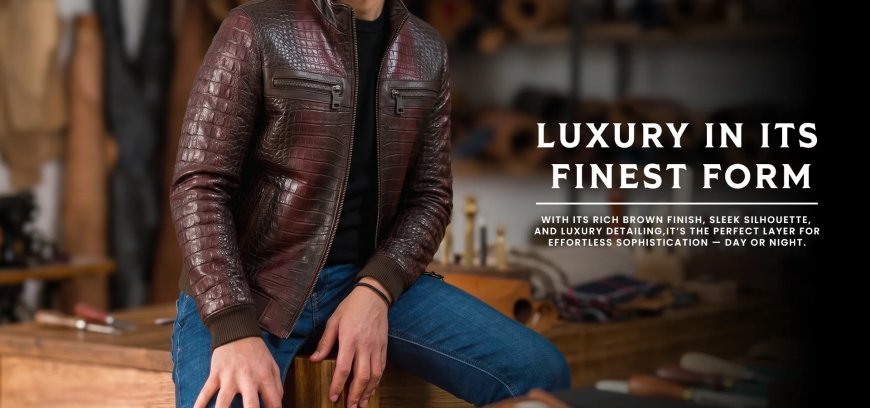
Walk into any shop selling jackets, and you will hear a lot of leather jargon. Full grain, top grain, corrected grain, genuine leather, split leather, and bonded leather all get thrown around, often with little explanation. The words sound similar, yet the difference between them can decide whether your jacket survives two winters or twenty.
Leather grades describe which part of the animal hide has been used and how much it has been altered. A higher grade means more of the strong, natural surface has been kept. A lower grade means more has been sanded, split, or reconstructed.
Understanding these terms takes only a few minutes, and it protects you from paying a premium price for an ordinary product. If you plan to invest in Men's premium Leather Jackets, this simple breakdown will help you read a label with confidence.
How a Hide Is Structured
The layers of a hide
An animal hide has several layers. The outermost layer, called the grain, is the densest and strongest part. Beneath it sits a looser, fibrous layer that is softer but far weaker. Tanners can split a thick hide horizontally into several sheets, and each sheet is sold at a different quality level.
The grain layer carries the tight fibre structure that gives leather its strength, its resistance to tearing and its ability to breathe. Once that surface is sanded away or removed, the leather loses some of those qualities, no matter how good it looks afterwards.
Why the surface is so valuable
The natural surface also holds the markings that make each hide unique, such as tiny scars, pores, and variations in texture. Some buyers mistake these for flaws. In reality, they are evidence that the surface has not been buffed away or covered with an artificial pattern.
Full Grain Leather
Full grain leather is cut from the top of the hide and left in its natural state. It has not been sanded to remove marks, so the strongest fibres remain intact. This makes it the most durable grade available for jackets.
Full grain leather develops a patina over time. The surface darkens slightly, picks up a soft sheen, and shows the creases of the person who wears it. Many owners say this ageing process is the best part of owning leather, because the jacket slowly becomes personal.
The trade-off is that full grain leather can feel firm when new, and it may show natural marks. It usually costs more because only the best portion of each hide qualifies. For a jacket you intend to wear for many years, this is generally the grade worth looking for.
Top Grain Leather
What makes it different
Top grain leather also comes from the upper layer of the hide, but the surface has been lightly sanded or buffed to remove imperfections. A finish coat is then applied to create an even appearance. The result is a smoother, more uniform jacket that feels supple from the first wear.
Is it a good choice?
Top grain leather is a strong option and the grade used for a large share of quality jackets. It is thinner and slightly less breathable than full grain, and it develops a patina more slowly because of the finish coat. Even so, a well-made top grain jacket can last for many years with sensible care. If you prefer a clean, consistent look with less break-in time, it is a very reasonable choice.
Corrected Grain, Split and Genuine Leather
Corrected grain
Corrected grain leather comes from hides with more visible damage. The surface is heavily sanded, then an artificial grain pattern is pressed into it. It looks uniform, but it is less breathable and less durable than the grades above.
Split leather
Split leather comes from the lower layers left after the top grain has been removed. It lacks the dense fibre structure of the surface, so it is weaker. It is often used for suede, where a soft napped finish suits the material, but it is not ideal for a hard-working outer jacket.
Genuine leather and bonded leather
This is where labels become confusing. The term genuine leather sounds impressive, but in many markets it describes a lower-quality real leather, often made from split layers with a coating applied. Bonded leather is worse again, since it is made from shredded scraps glued to a backing and then coated. It tends to peel and flake within a couple of years.
How to Tell Them Apart in Person
You do not need a laboratory to judge leather. Look closely at the surface under good light. Real grain shows small irregularities in the pores, while an embossed surface repeats the same pattern at regular intervals. Press your finger into the leather and watch it, since good leather wrinkles gently and recovers, whereas coated imitations tend to stay flat or crack.
Smell is useful too. Genuine hide has a warm, natural scent, while heavily coated or synthetic material often smells of plastic or chemicals. Check the edges of the jacket where the material is cut, because real leather shows a fibrous texture there, while coated fabric shows a layered backing.
If you are buying online, ask the seller directly for the leather grade. A clear answer is a good sign. When searching for leather jackets for men, treat vague wording such as simply real leather as a prompt to ask for more detail before you commit.
Does the Tanning Method Matter?
Tanning is the process that turns raw hide into stable, durable leather. Chrome tanning uses mineral salts and is faster, producing leather that is soft, consistent in colour and resistant to water and heat. Vegetable tanning uses natural tannins from bark and plants, takes much longer and results in firmer leather that develops a deeper patina.
Neither method is better in every situation. Chrome-tanned leather suits a soft, easy-to-wear jacket for everyday use, while vegetable-tanned leather appeals to people who want a rugged piece that changes character over time. The important point is that the seller knows which process was used and can explain it.
What Leather Grades Mean for Daily Wear
Durability in real conditions
A jacket faces friction, sweat, rain, sun, and the occasional scrape against a door frame or a seatbelt. Full-grain leather copes with all of this because its fibres are tightly packed from top to bottom. Lower grades rely on surface coatings for protection, and once that coating wears through, the material underneath ages quickly.
Comfort and breathability
Comfort matters just as much as toughness. Natural grain breathes better than a heavily coated surface, so a jacket made from it feels less clammy on a warm afternoon. That is one reason experienced wearers often pay extra for the better grade.
Matching the Grade to Your Budget
Not everyone needs the very best grade, and it helps to be honest about how you plan to use the jacket. If you want a lifelong piece that you will wear often, full grain leather is the better long-term investment. If you want a polished, comfortable jacket for regular use at a more moderate price, quality top grain leather is a sensible compromise.
What you should avoid is paying a premium price for a lower grade dressed up in clever wording. Always compare the price with the stated grade, the thickness of the hide, and the quality of construction.
Final Thoughts
Leather grades come down to one simple idea. The more of the natural surface that remains, the stronger and longer-lasting the jacket is likely to be. Full grain leather leads the field for durability and character, top grain offers a smoother and softer alternative, and genuine, split and bonded leather sit well below them.
Ask direct questions, inspect the surface, and read labels carefully before you buy. If you want to see a collection where quality is the starting point, Valian & Villain has a range of men's jackets that is worth exploring.
What's Your Reaction?
 Like
0
Like
0
 Dislike
0
Dislike
0
 Love
0
Love
0
 Funny
0
Funny
0
 Angry
0
Angry
0
 Sad
0
Sad
0
 Wow
0
Wow
0