























Why Do Bees Keep Returning to the Same Spot Around Your Home?
Why do bees keep returning to your home? Discover common causes, nesting signs and when to arrange professional bee inspection and removal in Melbourne.

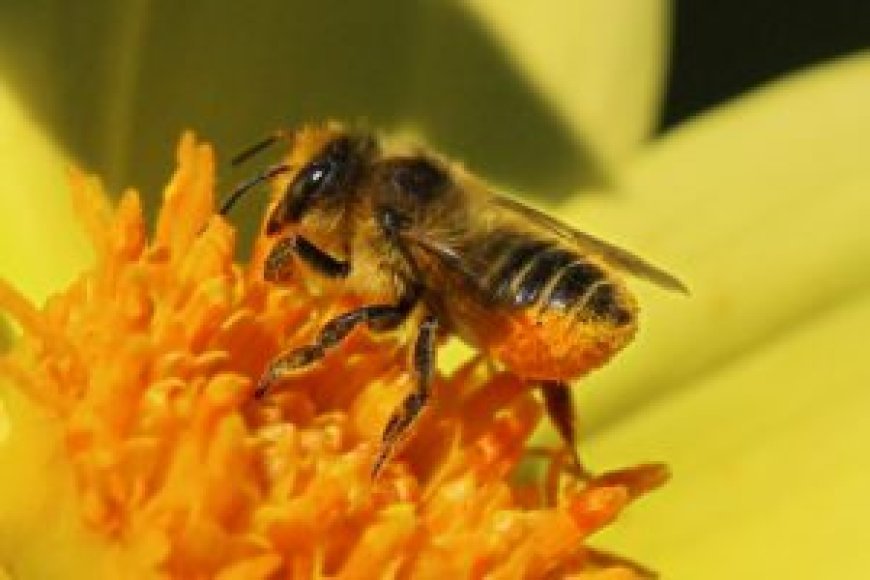
Noticing bees repeatedly gathering around the same area of your home can be confusing, particularly when they appear near roof edges, windows, garden structures or external walls. While occasional bee visits are normal, consistent activity around one location may indicate that the area provides something the bees need.
Bees are attracted to suitable food sources, water, shelter and nesting locations. Depending on their behaviour, they may simply be visiting nearby flowers or investigating a suitable place to establish a colony. Understanding why they keep returning can help homeowners recognise the difference between normal bee activity and a potential nesting issue.
A Nearby Nesting Site May Be Attracting Bees
One possible reason bees keep returning to the same spot is the presence of a suitable nesting location. Small openings around roof spaces, wall cavities, sheds and external structures can provide sheltered areas for certain bee species.
Honeybees may investigate these spaces when searching for a new place to establish a colony. If scout bees identify a suitable cavity, they may repeatedly return to assess its conditions.
Look for consistent movement around:
-
Roof edges and eaves
-
Gaps in external walls
-
Window and door frames
-
Garden sheds and storage structures
-
Tree hollows and sheltered spaces
-
Openings around building materials
Repeated entry and exit through one opening may suggest that a colony has settled inside. Avoid sealing the opening or disturbing the bees before the situation has been assessed.
Flowering Plants May Be Providing a Food Source
Bees naturally return to locations where they can find nectar and pollen. If your garden contains flowering plants, shrubs or trees, it may attract regular visits from different bees.
Some plants provide food during particular seasons, making certain areas more attractive at different times of the year.
You may notice bees returning to the same flowers throughout the day. This is generally normal foraging behaviour and does not necessarily indicate a nest nearby.
If the bees are visiting flowers without repeatedly entering a building cavity, there may be no need for removal. Bees play an important role in pollination, so their presence in a garden is often beneficial.
Water Sources Can Attract Repeated Bee Activity
Bees also require water, particularly during warmer weather. Birdbaths, garden ponds, outdoor taps, dripping hoses and uncovered water containers can attract them.
If bees regularly gather around a particular outdoor water source, they may have identified it as a convenient place to collect water.
Rather than assuming that every gathering represents a hive, observe where the bees are landing and whether they are carrying out repeated foraging activity.
Keeping outdoor water sources maintained and fixing unnecessary leaks can help manage unwanted gatherings around frequently used areas.
Bees May Be Investigating a Previous Nesting Location
Some bees may revisit areas where a suitable nesting site previously existed. If a cavity remains accessible after a colony has been removed, it may continue to attract interest from other bees.
This can happen around roof spaces, wall openings, hollow structures and sheltered sections of a building.
Simply removing visible bees may not address the underlying conditions that made the location attractive. Depending on the circumstances, the area may need to be inspected and suitable repairs completed after confirming that no active colony remains.
Avoid filling cavities or blocking entrances without checking whether bees are still present inside.
A Swarm May Be Searching for a New Home
Another reason for repeated bee activity is swarming behaviour. When a honeybee colony divides, a group of bees may leave with a queen and temporarily gather while scout bees search for a suitable nesting location.
During this process, bees may repeatedly visit nearby cavities, roof openings and sheltered spaces.
A temporary swarm is different from an established hive. A cluster resting on a tree branch may eventually move elsewhere, while a suitable cavity may be selected as a permanent nesting site.
If you notice a swarm gathering close to your home, keep children and pets away and avoid disturbing the bees. Professional advice can help determine whether the activity requires further attention.
Different Bee Species May Show Different Behaviours
Not all bees return to the same locations for the same reasons. Honeybees, native solitary bees and other Australian species have different nesting and foraging habits.
For example, leafcutter bees use pieces of leaves to construct their individual nesting cells. They may repeatedly visit suitable plants while collecting materials for their nests.
You can learn more about leaf cutter bees Australia to understand their behaviour and recognise why correct species identification is important.
If you are unsure which type of bee is visiting your property, avoid handling or approaching them closely. A proper assessment can help identify the species and determine whether the activity is a concern.
How to Tell Whether Bees Are Just Visiting or Nesting
Understanding the difference between normal foraging and nesting activity can help you decide what to do next.
Signs of regular foraging may include bees visiting flowers, collecting water and moving between different plants. Their activity may change depending on the availability of food and weather conditions.
Possible signs of nesting activity include:
-
Repeated movement through the same wall or roof opening
-
Consistent bee activity around one structural location
-
Bees disappearing behind external cladding
-
Regular buzzing sounds from a wall or ceiling cavity
-
A visible cluster remaining around a sheltered location
These signs do not independently confirm an established colony. However, when several occur together, arranging a professional inspection may be worthwhile.
When Should You Arrange a Professional Bee Inspection?
If bees continue returning to the same spot and appear to be entering a building cavity, professional assessment can help identify the source of the activity.
A technician may examine the surrounding area, observe bee movement, check possible entry points and assess whether a colony is established.
Professional bees inspection Melbourne services can help homeowners understand the situation and determine suitable management options.
When contacting a provider, explain how frequently the bees return, where they gather and whether you have noticed them entering a particular opening. This information can help with the initial assessment.
Understand the Cost of Professional Bee Control
The cost of managing unwanted bee activity depends on the type of situation and the work required.
Factors that may influence pricing include the size of the colony, nesting location, accessibility, equipment requirements and whether additional structural access is necessary.
If bees are nesting inside a wall or roof cavity, the work may be more involved than managing a temporary swarm in an accessible outdoor location.
You can explore bee control cost Melbourne to understand the factors that influence professional bee removal costs.
Before confirming a service, request a clear explanation of the proposed work and any additional charges that may apply.
Finding Bee Removal Services Around Melbourne
Repeated bee activity can affect properties throughout Melbourne, including residential gardens, apartment buildings and commercial premises.
Choosing a provider familiar with your local area can make arranging an inspection more convenient. Homeowners looking for bees removal Berwick can explore local service information and discuss their concerns.
When selecting a provider, consider their experience with different bee species, inspection procedures, removal methods and communication. Understanding how the situation will be assessed can help you make a more informed decision.
Understand Why Bees Keep Coming Back
Bees may repeatedly return to the same spot because of nearby flowers, water sources, sheltered spaces or a suitable nesting cavity. Observing their movement can provide useful clues about what is attracting them.
Occasional visits to garden plants are generally normal, but repeated movement through a wall or roof opening may indicate an established colony.
Avoid disturbing the bees or attempting to block their entry point. If the activity continues or creates concerns around your property, a professional assessment can help identify the cause and determine the appropriate next steps.
Bees Removal Melbourne provides information and assistance for property owners dealing with bee-related concerns across Melbourne.
What's Your Reaction?
 Like
0
 Dislike
0
 Love
0
 Funny
0
 Angry
0
 Sad
0
 Wow
0