

















Pesticide Free Basmati Rice: A Guide for Importers, Wholesalers and Bulk Buyers
Explore the quality, benefits and sourcing of Pesticide Free Basmati Rice. Discover how Tasty Grain supports bulk buyers with carefully graded rice and export supply solutions.
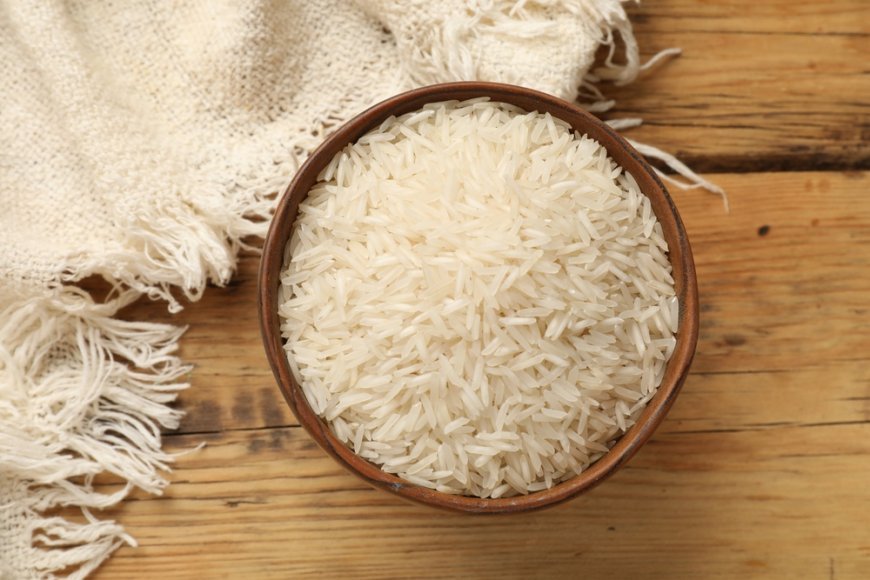
The demand for Pesticide Free Basmati Rice is gaining attention among international importers, food distributors, wholesalers, and businesses looking for carefully sourced rice products. With increasing awareness of food quality, cultivation practices, and agricultural residue management, buyers are paying closer attention to how rice is grown, processed, tested, and supplied.
Basmati rice is recognised for its naturally long grains, distinctive aroma, delicate texture, and excellent cooking characteristics. When sourcing pesticide-free varieties, buyers also consider cultivation practices, quality checks, processing standards, and documentation to ensure that the product meets their market requirements.
For businesses dealing in premium rice, selecting a dependable supplier is important for maintaining product consistency and meeting customer expectations. Tasty Grain focuses on careful rice sourcing, grading, and quality management to support domestic and international rice requirements.
What Is Pesticide Free Basmati Rice?
Pesticide free Basmati Rice refers to Basmati rice produced under cultivation practices that avoid the use of prohibited or specified synthetic pesticides, depending on the applicable production standard. The term should be supported by appropriate cultivation records, testing, and verification rather than being treated as a general quality claim.
The production process involves attention to agricultural inputs, crop management, harvesting, storage, and processing. Proper handling at each stage helps maintain grain quality and reduces the risk of contamination or unwanted residues.
For importers and distributors, it is important to understand that pesticide-free claims and organic certification are not interchangeable. Buyers should verify the applicable standard, certification, and laboratory reports before making purchasing decisions.
Why Is Pesticide Free Basmati Rice Gaining Demand?
Food businesses and consumers are becoming more conscious of ingredient sourcing and product transparency. This has encouraged importers and distributors to explore rice varieties that meet specific agricultural and quality requirements.
Some important factors driving interest include:
1. Greater Focus on Food Quality
Buyers increasingly consider more than grain appearance and cooking performance. They also evaluate cultivation practices, handling procedures, and food safety documentation before selecting a rice supplier.
2. Growing Interest in Responsible Sourcing
Businesses are paying greater attention to how agricultural products are cultivated and processed. Rice sourced through controlled agricultural practices can help buyers meet their product positioning and sourcing objectives.
3. Demand from Premium Food Markets
Speciality grocery retailers, food distributors, and premium food brands may include pesticide-free rice in their product portfolios to serve customers looking for specific sourcing standards.
4. Importance of Market Compliance
Different countries have their own regulations concerning pesticide residues in imported food products. Importers need to check applicable maximum residue limits (MRLs), testing requirements, and documentation before placing bulk orders.
Key Quality Characteristics of Pesticide Free Basmati Rice
When purchasing Basmati rice in bulk, buyers should evaluate several product characteristics to ensure that the rice matches their commercial requirements.
-
Long and Slender Grains: Basmati rice is valued for its naturally long grain structure, making it suitable for biryani, pulao, and other rice-based preparations.
-
Distinctive Aroma: Its characteristic fragrance makes it a preferred choice for premium rice markets.
-
Good Grain Elongation: Quality Basmati varieties expand during cooking while maintaining their grain structure.
-
Uniform Appearance: Proper grading and sorting help maintain consistency in grain size, colour, and overall appearance.
-
Controlled Moisture: Appropriate moisture levels support safe storage and help maintain product quality during transportation.
-
Low Broken Grain Content: Buyers can specify broken grain percentages according to their intended market and product requirements.
These characteristics should be assessed alongside pesticide residue reports and relevant product specifications.
What Should Importers Check Before Buying?
Selecting the right supplier is an important part of sourcing pesticide-free rice. Importers and wholesalers should consider the following factors before confirming an order.
Cultivation and Sourcing Information: Ask the supplier about the origin of the rice, agricultural practices, and traceability arrangements. Supporting records help establish whether the product meets the required pesticide-free standard.
Laboratory Testing: Request recent pesticide residue analysis from a competent laboratory. The report should identify the tested parameters and demonstrate compliance with the destination market's requirements.
Processing and Quality Control: Check whether the processing facility follows appropriate food safety and hygiene procedures. Cleaning, sorting, grading, and storage conditions all contribute to the final product quality.
Packaging Options: Export buyers may require different packaging formats, including 5 kg, 10 kg, 20 kg, 25 kg, and 50 kg bags. Packaging can be selected according to retail, wholesale, and distribution requirements.
Export Documentation: Confirm the availability of commercial invoices, packing lists, certificates of origin, phytosanitary documents where applicable, and other destination-specific paperwork.
Pesticide Free Basmati Rice for Wholesale and Export Markets
The international rice trade offers opportunities for suppliers that can maintain consistent product specifications and meet buyer expectations. Pesticide-free Basmati rice can serve different business segments, including food importers, supermarket chains, wholesalers, distributors, restaurants, and private-label brands.
For bulk buyers, product consistency is particularly important. Differences in grain length, moisture, broken percentage, and cooking performance can affect customer satisfaction and repeat orders.
A reliable supply arrangement should include clearly defined specifications, agreed quality parameters, suitable packaging, and proper documentation. Buyers should also confirm shipment terms, order quantities, inspection requirements, and delivery schedules before finalising their procurement.
Why Choose Tasty Grain for Basmati Rice Sourcing?
We bring over 23 years of experience in rice sourcing, grading, and export operations. Our focus is on providing carefully selected rice varieties that meet the quality expectations of importers, wholesalers, distributors, and food businesses.
We understand that international buyers require more than just a good-looking grain. Consistent quality, suitable processing, dependable packaging, and organised export coordination are important considerations when establishing long-term supply relationships.
Tasty Grain works with different Basmati rice varieties and specifications to address diverse market requirements. Buyers can discuss their preferred grain type, processing specifications, packaging needs, and order volumes before confirming their requirements.
For businesses interested in pesticide-free rice, product claims and availability should be confirmed against the relevant cultivation records, laboratory testing, and applicable certification requirements.
If you are looking for a dependable Indian rice supplier, connect with Tasty Grain to discuss your bulk sourcing and export requirements.
Frequently Asked Questions (FAQs)
1. What is Pesticide Free Basmati Rice?
Pesticide Free Basmati Rice refers to rice cultivated under specified agricultural practices that avoid prohibited or restricted pesticide use. Buyers should verify the claim through relevant documentation and residue testing.
2. Is pesticide-free rice the same as organic Basmati rice?
No. Pesticide-free and organic rice are different product categories. Organic rice must meet specific organic farming and certification standards, whereas pesticide-free claims depend on the applicable production requirements.
3. What are the benefits of choosing Pesticide Free Basmati Rice?
It offers buyers an option that aligns with specific sourcing and agricultural standards. It also supports businesses targeting customers who value transparency in food production and product quality.
4. What should wholesalers check before purchasing pesticide-free rice?
Wholesalers should check cultivation records, pesticide residue reports, grain length, moisture percentage, broken grain content, processing standards, packaging, and export documentation.
5. Can Pesticide Free Basmati Rice be purchased in bulk?
Yes. Bulk purchasing can be arranged through suitable suppliers, depending on product availability, specifications, order quantities, and packaging requirements.
6. Does Tasty Grain supply Pesticide Free Basmati Rice?
Tasty Grain offers rice sourcing and export solutions for international buyers. Contact the team to discuss pesticide-free product availability, supporting test reports, specifications, and bulk supply requirements.
What's Your Reaction?
 Like
0
 Dislike
0
 Love
0
 Funny
0
 Angry
0
 Sad
0
 Wow
0