










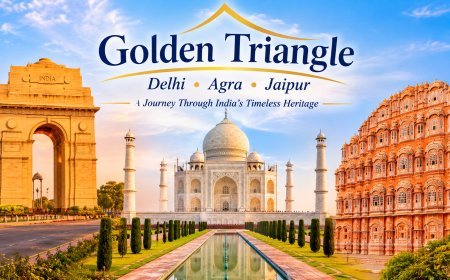













Golden Triangle Family Holiday in India: Exploring Delhi, Agra and Jaipur with Your Loved Ones
Plan memorable family holidays to India with the Golden Triangle. Explore Delhi, the Taj Mahal in Agra and Jaipur's royal heritage with family-friendly experiences.
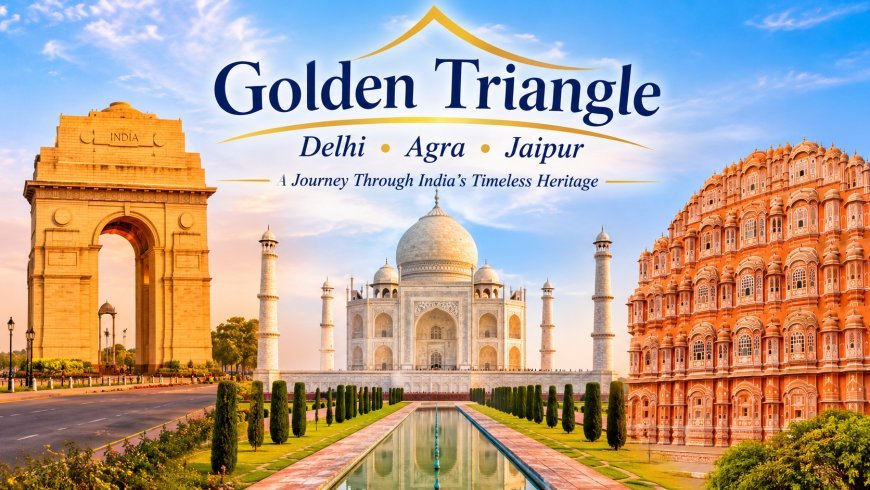
India offers families an exciting combination of history, culture, architecture, wildlife, food and unforgettable experiences. For families travelling from Western countries, the Golden Triangle is one of the most rewarding ways to experience the country's diversity in a single journey. Connecting Delhi, Agra and Jaipur, this popular travel route introduces visitors to magnificent monuments, colourful markets, royal palaces and fascinating traditions.
The Golden Triangle is particularly suitable for parents travelling with children, couples travelling with teenagers and even grandparents joining a multi-generational holiday. Each destination offers something different, making the journey engaging for travellers of different ages.
For anyone planning family holidays to India, this route provides an excellent introduction to Indian culture while allowing families to enjoy comfortable accommodation, private transportation and carefully planned sightseeing.
Why Choose the Golden Triangle for a Family Holiday?
The Golden Triangle combines three remarkable destinations within a relatively manageable travel route. Families can experience the energy of Delhi, admire the architectural beauty of Agra and enjoy the royal atmosphere of Jaipur.
One of the biggest advantages is the variety of activities available. Children can explore impressive forts, learn stories about ancient rulers, enjoy traditional food and experience local markets. Adults can appreciate the history, architecture and cultural experiences that make each destination special.
Families can also customise their itinerary according to their children's ages, interests and preferred travel pace. Private guides, air-conditioned vehicles and family-friendly hotels can make travelling between destinations more comfortable.
A well-planned family holiday in India should balance sightseeing with relaxation, ensuring that younger travellers have enough time to enjoy each destination without feeling overwhelmed.
1. Delhi – Discover India's History, Culture and Modern Lifestyle
Delhi is an exciting starting point for a Golden Triangle family holiday. As India's capital, the city brings together historic landmarks, modern attractions, green spaces and lively neighbourhoods.
Families can begin their sightseeing at India Gate, an impressive war memorial surrounded by open spaces. It is a pleasant place for an evening walk, particularly for families travelling with younger children.
Another highlight is Humayun's Tomb, a magnificent Mughal monument surrounded by beautifully maintained gardens. Children can enjoy exploring its impressive architecture and open courtyards, while adults can learn about its historical significance.
Qutub Minar is another attraction worth including. Its towering structure and intricate stone carvings provide an interesting introduction to India's architectural heritage.
For a more lively experience, families can visit Old Delhi. The narrow streets, traditional shops, colourful markets and local food stalls offer a glimpse into everyday Indian life. A guided rickshaw ride through selected parts of Chandni Chowk can also become a memorable family experience.
Family travel tip: Avoid planning too many monuments in one day. Allow time for breaks, refreshments and relaxation, especially when travelling with younger children.
2. Agra – Experience the Beauty of the Taj Mahal
Agra is one of the most memorable stops on the Golden Triangle route. Home to the world-famous Taj Mahal, the city offers families an opportunity to experience one of India's greatest architectural achievements.
The Taj Mahal is an essential attraction for visitors of all ages. Built by Mughal Emperor Shah Jahan in memory of his wife Mumtaz Mahal, this white marble monument tells a fascinating story of love, history and craftsmanship.
Children may enjoy learning about the stories behind its construction, the precious stone decorations and the symmetry of its gardens. A knowledgeable local guide can make the visit more engaging by explaining the monument's history in an age-appropriate way.
Another important attraction is Agra Fort, a UNESCO World Heritage Site. Its impressive red sandstone walls, royal courtyards and historic buildings provide an insight into the lifestyle of Mughal emperors.
Families who want a quieter experience can visit Mehtab Bagh, a garden across the Yamuna River offering beautiful views of the Taj Mahal. It is particularly attractive around sunset.
Agra also provides opportunities to experience traditional craftsmanship. Families can learn about marble inlay work, a craft associated with the city's architectural heritage, and explore local workshops.
Family travel tip: Visit the Taj Mahal early in the morning when temperatures are generally more comfortable and the monument is less crowded than during busier periods.
3. Jaipur – Enjoy Royal Palaces, Forts and Colourful Markets
Jaipur, popularly known as the Pink City, offers a wonderful combination of royal architecture, traditional culture and exciting family activities. Its palaces, forts and colourful streets make it one of the highlights of the Golden Triangle.
Amber Fort is an excellent place to begin exploring Jaipur. Situated on a hill overlooking Maota Lake, this historic fort features impressive gateways, courtyards and beautifully decorated halls. Children can enjoy exploring the different sections while learning about Rajasthan's royal history.
The City Palace is another attraction worth visiting. Its courtyards, royal collections and traditional architecture provide a fascinating look at the lives of Jaipur's former rulers.
Families should also stop at Hawa Mahal, one of Jaipur's most recognisable landmarks. Its distinctive pink façade and numerous small windows make it particularly interesting for photography.
Beyond the historical attractions, Jaipur's markets provide a wonderful cultural experience. Families can browse traditional textiles, colourful handicrafts, jewellery and local souvenirs.
Food is another important part of the experience. Visitors can try traditional Rajasthani dishes such as dal baati churma, while families with younger children can choose familiar Indian and international options available at many restaurants.
Family travel tip: Keep some free time in Jaipur for shopping, traditional craft experiences and relaxing at the hotel rather than filling every day with sightseeing.
Family-Friendly Experiences to Include in the Golden Triangle
The Golden Triangle is more than a sightseeing route. Families can include activities that help children understand Indian culture while creating enjoyable memories together.
Some experiences worth considering include:
-
Traditional cooking experiences: Participate in a family-friendly cooking session to learn about Indian spices and regional dishes.
-
Cultural performances: Enjoy traditional music and dance performances, particularly in Jaipur.
-
Heritage hotel stays: Experience the atmosphere of historic properties converted into comfortable hotels.
-
Local craft workshops: Introduce children to traditional pottery, textile printing or marble craftsmanship.
-
Garden visits: Spend relaxing time in historic gardens and open spaces between sightseeing activities.
-
Photography experiences: Capture family memories at famous landmarks, palaces and colourful streets.
These activities add variety to the itinerary and help younger travellers connect with the country beyond its famous monuments.
Suggested 7-Day Golden Triangle Family Itinerary
A seven-day itinerary provides a comfortable introduction to the three destinations without making the journey unnecessarily rushed.
Days 1–2: Delhi
Arrive in Delhi and settle into your hotel. Explore India Gate, Humayun's Tomb and Qutub Minar, with time for a guided Old Delhi experience.
Days 3–4: Agra
Travel from Delhi to Agra by private vehicle or train. Visit the Taj Mahal, explore Agra Fort and enjoy the views from Mehtab Bagh.
Days 5–7: Jaipur
Continue to Jaipur and explore Amber Fort, City Palace and Hawa Mahal. Enjoy local markets, traditional food and a cultural experience before departing.
Families with younger children may prefer adding an extra night or two to enjoy a slower pace.
Best Time to Plan Family Holidays to India
The best time to explore the Golden Triangle is generally between October and March, when temperatures are more suitable for outdoor sightseeing.
October and November offer pleasant conditions for exploring monuments and markets. December and January can bring cooler mornings and evenings, particularly in Delhi and Agra. February and March are also attractive months for family sightseeing.
April to June can be extremely hot, making outdoor activities more challenging, particularly for younger children. The monsoon season, usually from July to September, brings rainfall and higher humidity.
Families should consider school holidays, weather conditions and the ages of their children when selecting travel dates.
Practical Tips for Families Travelling Around the Golden Triangle
A little preparation can make a significant difference to the overall experience.
-
Choose comfortable hotels with family rooms and suitable facilities.
-
Arrange private transfers to make journeys between cities easier.
-
Carry reusable water bottles and stay hydrated.
-
Pack comfortable walking shoes, sunscreen and suitable clothing.
-
Keep important medicines and basic first-aid supplies accessible.
-
Choose restaurants carefully and introduce children to unfamiliar foods gradually.
-
Allow enough time for rest, particularly after long journeys and sightseeing days.
-
Consider hiring experienced local guides who can make historical attractions interesting for children.
Planning these details in advance helps families enjoy the journey with greater confidence and comfort.
Frequently Asked Questions
1. Is the Golden Triangle suitable for family holidays to India?
Yes. The Golden Triangle offers historical attractions, cultural activities, family-friendly hotels and convenient transport options, making it suitable for families with children of different ages.
2. How many days are enough for a Golden Triangle family holiday?
Seven days is a good starting point for visiting Delhi, Agra and Jaipur. Families wanting a more relaxed experience can extend their trip to 9 or 10 days.
3. What is the best age for children to visit the Golden Triangle?
Children of different ages can enjoy the journey. Younger children may appreciate gardens, forts and interactive activities, while teenagers may be particularly interested in history, photography and local culture.
4. What is the best time to visit Delhi, Agra and Jaipur with family?
October to March is generally the most comfortable period for sightseeing, with February and March offering particularly pleasant conditions.
5. Can families customise a Golden Triangle itinerary?
Yes. Families can customise their itinerary with private guides, comfortable hotels, additional rest days, cultural activities and attractions suited to their children's interests.
What's Your Reaction?
 Like
0
 Dislike
0
 Love
0
 Funny
0
 Angry
0
 Sad
0
 Wow
0