
























The Uncomfortable Truth About Rocks Getting Stuck In On Clouds Shoes
Uncover the uncomfortable truth about rocks getting stuck in On Cloud shoes—exploring why CloudTec outsole grooves trap gravel, how it affects traction and foam durability, and smart ways to fix it.

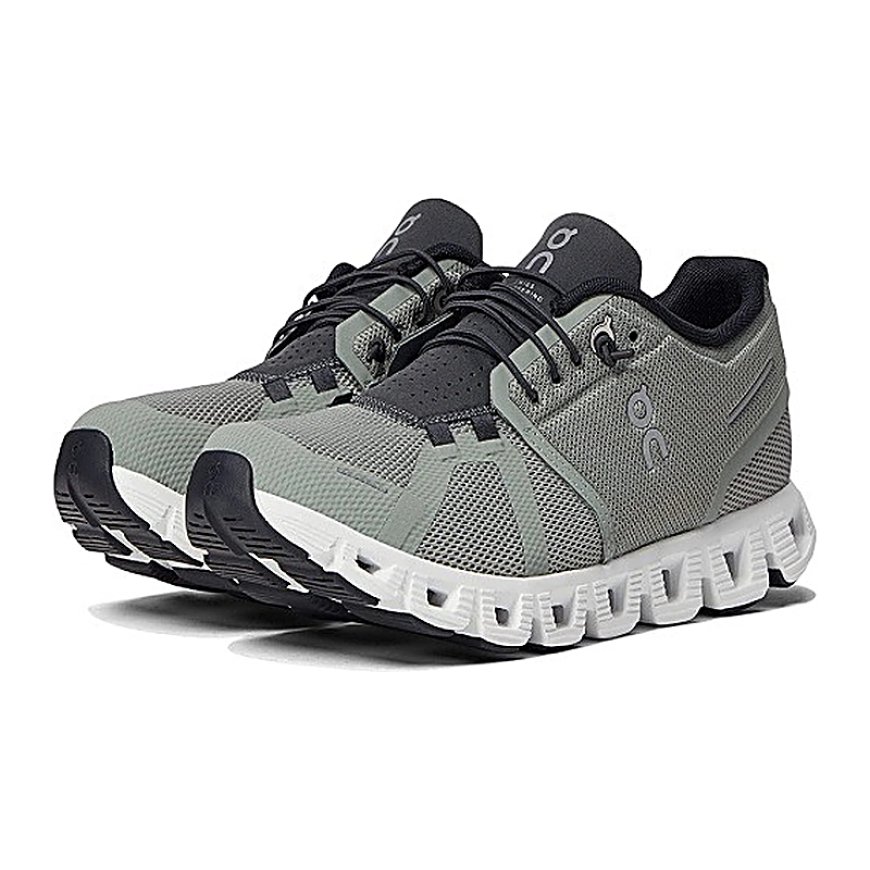
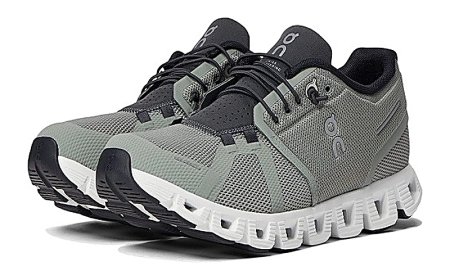
Anyone who has owned a pair of On Running sneakers for more than a week knows the unmistakable clicking sound of a pebble wedged firmly beneath the sole. While the hollow CloudTec pods and deep central channel give On shoes their iconic Swiss-engineered look and snappy ride, that exact geometry creates a natural trap for loose gravel. What starts as a minor annoyance during a morning park walk or gravel path jog quickly turns into an awkward mid-stride stop to pry stones loose with a key or finger.
Why the Central Outsole Channel Acts Like a Magnet
Understanding why On shoes collect ukonclouds.com debris requires looking directly at the underside of classic models like the Cloud 5, Cloudswift, and Cloudrunner. Running down the middle of the forefoot and heel sits a deep longitudinal flex groove separating the left and right rows of hollow pods. As your weight presses down during each footstrike, the rubber walls widen slightly under compression and clamp shut around small stones as your foot lifts off. Once wedged inside that tapered channel, gravel stays locked until manually dug out.
How Trapped Stones Affect Comfort, Balance, and Floors
A single pebble stuck under the midsole does far more than create an irritating tap-tap rhythm across pavement. Left unnoticed, hard stones push upward against the exposed Speedboard or foam base, creating an uneven pressure point beneath the arch or forefoot that alters natural gait mechanics. Stepping indoors onto hardwood floors, marble tiles, or car pedals with trapped gravel also risks scratching delicate surfaces or causing sudden traction slips on smooth wet concrete.
Real-World Situations Where Pebble Trapping Hits Hardest
Certain daily environments turn On’s open outsole architecture into an immediate frustration for wearers:
-
Crushed Gravel Parks and Towpaths: Loosely packed walkway stones match the exact width of the center flex groove, lodging securely within a few dozen steps.
-
Suburban Driveways and Construction Zones: Stray asphalt chips and sharp grit wedge tightly between individual Cloud pods during quick errands.
-
Light Trail and Dog-Walking Routes: Stepping off paved sidewalks onto dirt paths often results in multiple pebbles and twigs jammed simultaneously under both shoes.
-
Wet Autumn Sidewalks: Damp grit and tiny acorns cling inside damp outsole cavities, tracking outdoor debris straight onto clean indoor carpets.
Which On Models Suffer Most—and Which Solve the Problem
Not every sneaker in On’s lineup shares the same appetite for stones. Classic open-groove models like the Cloud 5, Cloudflow, and older Cloudstratus versions feature wide, deep central channels that catch gravel effortlessly. Recognizing widespread customer complaints, On’s Zurich design team introduced closed-channel outsoles on newer releases like the Cloudtilt, Cloudsurfer Next, and updated Cloudmonster variations. By sealing the bottom groove or replacing open cavities with angled CloudTec Phase collapses, newer silhouettes dramatically reduce stone-collecting headaches.
Hidden Long-Term Damage to Exposed Midsole Foam
Beyond immediate walking discomfort, leaving sharp stones wedged inside the outsole accelerates structural wear over time. Unlike traditional trainers protected by a continuous sheet of carbon rubber, many On models expose soft Helion foam or rigid polymer plates inside the central channel. When sharp granite pebbles stay trapped across hundreds of steps, they gouge, dent, and tear into the softer midsole walls, weakening pod resilience and shortening the shoe’s overall lifespan.
Practical Habits to Minimize Gravel Frustration
Owners who love the lightweight comfort of classic On pods can still reduce stone-trapping annoyances with a few simple adjustments. Reserving open-groove lifestyle models primarily for smooth city pavements, airport terminals, and gym floors avoids most loose gravel altogether. Keeping a small wooden golf tee or flat key inside a jacket pocket makes popping wedged stones out effortless without hurting your fingers, while rotating toward closed-channel On models handles park paths far more reliably.
Weighing Iconic Aesthetics Against Everyday Practicality
Ultimately, the uncomfortable truth about rocks getting stuck in On Cloud shoes comes down to an inherent engineering trade-off. The same open flex channels and hollow pods that deliver lightweight responsiveness and unmistakable visual identity also invite small debris whenever you leave smooth asphalt. For urban commuters sticking to clean sidewalks, it remains a minor quirk—but anyone regularly crossing gravel paths should either carry a pebble-picking tool or choose On’s newer closed-sole designs.
Frequently Asked Questions (FAQs)
Q1: Why do rocks get stuck in On Cloud shoes so easily?
Classic On models feature a deep central flex groove and open spaces between hollow CloudTec pods that widen under foot pressure and clamp shut around small pebbles as you step forward.
Q2: Which On Cloud shoes do not get rocks stuck in the bottom?
Newer models with closed-channel outsoles—such as the Cloudtilt, Cloudsurfer, Cloudsurfer Next, and Cloudvista trail shoes—seal or redesign the central groove to prevent gravel from lodging inside.
Q3: Can stuck rocks damage On Running shoes?
Yes. Sharp stones left wedged inside the central channel can gouge and tear the exposed foam and Speedboard walls over time, reducing cushioning durability and creating uneven underfoot pressure.
What's Your Reaction?
 Like
0
 Dislike
0
 Love
0
 Funny
0
 Angry
0
 Sad
0
 Wow
0