






















Cold Room Installation Southampton: What Should Food Businesses Consider?
Discover what food businesses should consider when planning Cold Room Installation in Southampton, from choosing the right size and temperature to energy efficiency, food safety, and regular maintenance. Learn how professional installation can protect food quality, reduce waste, and support daily business needs.

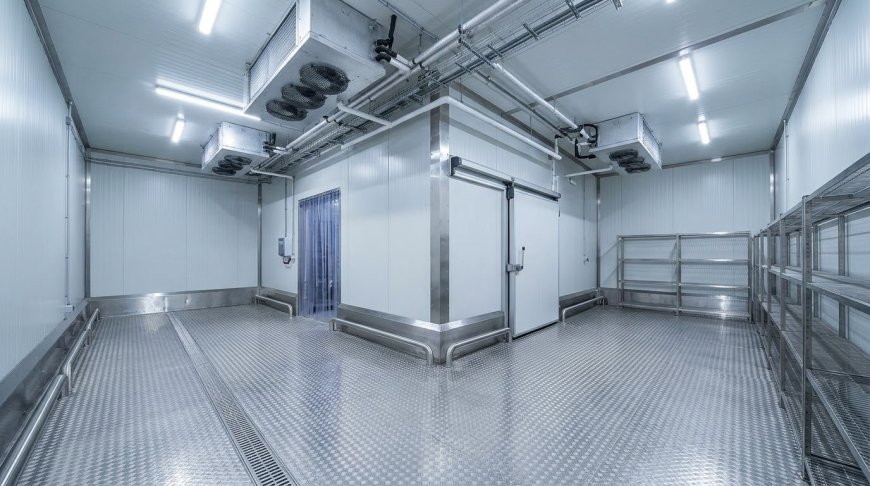
Maintaining food at a low temperature is extremely important. Whether you are a busy cafe, or selling fresh fish from the dockside, Cold Room Installation Southampton will allow you to provide your food with a consistently cool environment. Planning carefully means saving money, and protecting customers. We install cold rooms for companies all across the UK, and here are some things to consider when installing cold rooms in Southampton.
Why Does Cold Room Installation Southampton Matter for Food Businesses?
Keeping food at a consistent temperature will prevent it from spoiling. A cold room ensures that the temperature of all items on each shelf are kept at a constant, cool temperature.
With many exciting food businesses in Southampton, including restaurants in the marina, catering services for cruise ships and wholesale deliveries across Hampshire, using home fridges will be insufficient. Even basic commercial fridges can quickly become too small.Considerations to make in a Smart Cold Room Installation in Southampton
Consider what you are storing, and how much you receive in weekly deliveries. This will inform decisions made throughout the installation. At ColdTec we begin by visiting the site to understand how to best fit the cold room within the building to suit your budget.
How Much Space Does Your Food Business Need?
Take a count of the food you are storing, and measure the amount of boxes, trays and containers in your kitchen on a busy day. Many people will be surprised by how quickly their stock can increase.
Also consider movement within the cold room. If there isn’t enough space, staff may struggle to move around, causing delays, and increasing the likelihood of dropping items. To allow air to circulate underneath shelves, shelves should be raised from the ground.
Consider future expansion. A café offering catering services may double their order volumes in a single year. It may be cheaper to create plenty of space in one cold room now, than having to create a second one in the future.
Choosing the Right Temperature for Each Food
Depending on what food is being stored, different temperatures may be required. Dairy, meats and ready meals require between 0-5 degrees. Ice creams and frozen fish require much colder temperatures, at or below -18 degrees. However, fresh fruits and flowers would be better stored at a slightly higher temperature.
Some businesses may need both. If you have a fish counter in your restaurant, you may want to include both a chiller and a freezer. Having dual temperature cold rooms means dividing your building into two temperatures, but sharing just one wall. This reduces wasted floor space and cuts down costs of installation. At Cold Tec we can create both chilling and freezing cold rooms, to give your food exactly what it needs.
Size and Layout Choices for Your Building
As all sites in Southampton will be slightly different, depending on whether you are in a tight city centre space or in a warehouse close to the port, consider:
-
Height of ceiling – to allow for shelving and the cooling unit.
-
Strength of floor – to support heavy items on pallets and trolleys.
-
Width of doors – to allow for pallet trolleys and delivery trolleys.
-
Location of sockets and drainage.
-
Space for condenser to encourage air flow.
You may wish to install the cold room as a standalone unit, either in conjunction with the main building or completely separate. This is a great option if there is very little space within the kitchen or loading area. Alternatively, you could install the cold room inside. This keeps the outside elements away from the walls of the room, but does take up space. Alternatively, if installed outside you will free up space in the kitchen, but must ensure it is built securely.
How Do Insulated Panels Protect Your Stock?
Cold rooms in Southampton are built with insulated panels. The panels contain insulation material (foam) between two metal layers. Using thicker panels means greater protection of the stock, and will reduce energy costs. Freezing cold rooms will require thicker panels than chilling cold rooms.
Within the food area, surfaces should be smooth. Try to choose materials that resist mould and are easy to wipe clean. Seals should be tight to prevent warm and moist air from getting in. Insulation in the floor prevents cold escaping and protects the floor slab from freezing. Tight seals on the doors, and strip curtains will also provide additional protection.
Which Refrigeration System Works Best?
Smaller cold rooms will require a compact plug in system. Larger cold rooms will require a split system with an external condenser. Very large wholesales may require a rack system, to allow multiple rooms to be cooled from a single plant.
Make sure to choose the correct size of cooling unit for your cold room. Too small of a unit will cause it to overwork, and wear quickly. Too big of a unit will mean it is only being used for short periods of time, therefore wasting energy. To find the appropriate size unit for you, it should be measured by a trained engineer. They will determine the size based on room volume, contents, and external temperature. We provide commercial cooling systems for cold rooms of all sizes. Consider what sort of refrigeration gas is used. Newer refrigeration gases have less impact on the environment, and comply with current regulations in the UK.
Food Safety Rules to Follow
Under UK food safety regulations, it is expected that food is stored at correct temperatures. During inspections from environmental health officers, inspectors will want to ensure that your cold rooms and freezers are maintaining the correct temperature. This can be done easily with a digital thermometer, which will record data.
Fitting an alarm system to the temperature means an alert can be sent if the temperature begins to change. This allows quick action to be taken before food is spoiled. Recording the temperature every day and storing these records will help during inspection. For a good cold room installation in Southampton, it is a good idea to include monitoring features in your cold room from the start. Cleaning regularly according to a schedule, and placing raw meat low down, below pre-cooked meals, will improve food safety. Refer to your local council to get guidance on putting together HACCP plans to help with paperwork.
How Does Coastal Air Affect a Cold Room?
Southampton is situated on the south coast, meaning that the air is humid and salty. This can cause corrosion on metal, and issues with electrical parts. As the condenser on external cold rooms will be exposed to the worst conditions, it is a good idea to choose components with protective coatings to increase lifespan.
Humidity means that when doors open, warm and moist air is drawn into the cold room. This causes moisture to freeze on the coils inside, reducing efficiency. If the unit is of a good standard, it will have a defrost function. Regular maintenance will ensure the coils remain clean and fans working efficiently. We offer maintenance and repair services for cold rooms so that any small problems can be fixed before becoming large.
Steps on Installation Day
Having a plan in place can help reduce stress. Installation works like this:
-
Survey site and mark position
-
Fit insulated floor and base
-
Erect walls and ceiling panels, sealing joints
-
Install doors, lights and shelving
-
Install cooling unit and piping and electrical connections
-
Check temperatures and train staff.
Depending on the size of the cold room, installation can be completed in a few days, or a couple of weeks. As stock will need to be temporarily stored during installation, plan delivery times around installation. Alternatively, you could hire a fridge van, or ask a neighbour with extra space. Having a clear plan for cold room installation in Southampton will mean little disruption for your kitchen.
How Can Owners Keep Running Costs Low?
To reduce running costs, there are a few simple changes you can make. Ensure doors are closed as soon as possible after filling shelves. Use LED lighting to reduce heat. Add strip curtains to doors to keep cold in. Allow hot food to cool before placing into cold room to reduce temperature spikes.
Ensure fans are efficient. Get a smart control to change the cooling unit depending on demand. When requesting a quote, be sure to find out running costs as well as installation costs. Although a cheaper cold room may seem more cost effective, over a period of 5 years, a high quality cold room with low energy consumption may be cheaper. Getting a service once per year means any leaks will be picked up early. We provide emergency repair services for fridges in case of sudden breakdowns.
FAQ
How long will installation take?
A small cold room will take approx 3-5 days. Large multi zoned cold rooms can take up to 2 weeks.
Will I need planning permission?
Some external cold rooms may require planning permission from your local council. Be sure to contact the council before starting work to avoid any delays.
What temperature should a chilling room be?
Chilling rooms are usually between 0-5 degrees, to store meat, dairy and ready meals. Freezing rooms are at -18 degrees or lower to store frozen items.
Can cold rooms be expanded with my business?
Using modular panels means additional bays can be added easily. To allow for future expansions, in a good initial installation, leave an extra wall.
How often should a cold room be serviced?
It is recommended to have a service at least once per year. In busier kitchens, servicing every 6 months may be beneficial. This will ensure your seals, coils and gas levels are all good.
Conclusion
Cold rooms are extremely important to any food business. The space, temperatures, panels and cooling unit all work together. A good cold room installation in Southampton will protect your food, customers and profits. Cold Tec can help food businesses in the UK with designing, building and repairing cold rooms. Find out what we can do for you, to keep all of your stock fresh.
What's Your Reaction?
 Like
0
 Dislike
0
 Love
0
 Funny
0
 Angry
0
 Sad
0
 Wow
0



