
























Why Good-Quality Embryos Do Not Always Lead to Successful Pregnancy

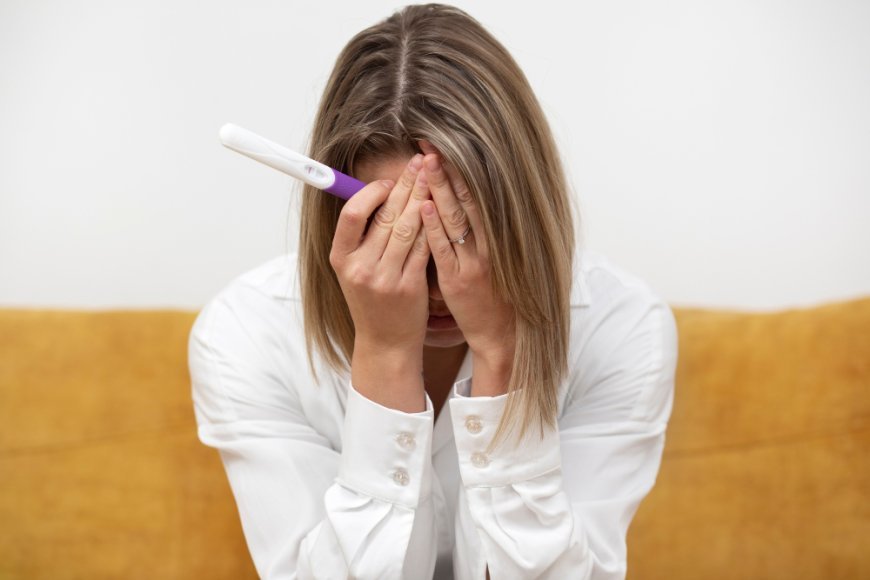
IVF can be an emotional journey, especially when an embryo looks healthy in the laboratory but pregnancy does not occur after transfer. Couples often ask, why does ivf fail with good embryos? The answer is that embryo appearance is only one part of implantation and pregnancy. Even a good-quality embryo must have the right genetic potential, reach the uterus, attach to a receptive endometrium, and continue developing. Understanding these factors can help couples discuss next steps with their fertility specialist.
What Does “Good-Quality Embryo” Mean?
Embryo quality is commonly assessed by morphology, meaning how the embryo looks and develops under a microscope. At the blastocyst stage, embryologists may assess expansion, the inner cell mass, and the trophectoderm. A favourable grade suggests characteristics associated with better implantation potential.
However, morphology cannot show everything about an embryo. An embryo that looks excellent can still contain chromosomal abnormalities. Therefore, “good quality” should not be understood as a guarantee of genetic normality or successful implantation.
Chromosomal Factors
One important reason IVF can fail despite a good-looking embryo is aneuploidy, meaning an abnormal number of chromosomes. Chromosomal abnormalities become more common with increasing maternal age and can reduce the likelihood of implantation or ongoing pregnancy.
Preimplantation genetic testing for aneuploidy, or PGT-A, can identify some chromosomal abnormalities before transfer. However, PGT-A is not a guarantee of pregnancy or live birth, and it is not automatically appropriate for every patient. Decisions should be individualised after discussing benefits, limitations, and the number of embryos available.
The Uterine Environment
The uterus also plays an important role in implantation. A good-quality embryo needs a suitable endometrial environment to attach and continue developing.
Conditions such as uterine polyps, certain fibroids, scar tissue, adenomyosis, endometriosis, or fluid associated with a hydrosalpinx may sometimes affect reproductive outcomes. Not every condition causes implantation failure, and significance depends on the individual situation.
If implantation has failed repeatedly, a fertility specialist may review the uterine cavity using ultrasound or other appropriate imaging.
Endometrial Thickness and Timing
The lining of the uterus changes throughout the menstrual cycle. For embryo transfer, doctors aim to coordinate the embryo with the appropriate stage of endometrial development.
Endometrial thickness is one factor considered during treatment, but thickness alone does not fully describe endometrial receptivity. Hormone levels, progesterone timing, the type of cycle, and other clinical factors may also be relevant.
Embryo Transfer Factors
The transfer procedure is another part of IVF treatment. The embryo must be placed carefully inside the uterine cavity, and the procedure is planned using ultrasound and other clinical information.
Although embryo transfer is generally straightforward, individual anatomy, uterine position, cervical access, and other factors can influence the procedure. A review of previous transfer notes may help the fertility team determine whether any technical issue needs attention.
Egg and Sperm Factors
Embryo development depends on both the egg and sperm. Egg quality is closely related to maternal age, although individual variation exists. Sperm factors can also influence fertilisation and embryo development.
Even when an embryo reaches the blastocyst stage and looks good, its developmental potential may still be limited by factors that cannot be identified through routine morphology. This is one reason why a single unsuccessful transfer does not necessarily indicate that something is seriously wrong.
Laboratory and Embryology Factors
Embryo grading is useful, but grading systems are based on observable characteristics rather than a complete assessment of every biological feature.
When reviewing an unsuccessful cycle, the fertility team may examine embryo development, fertilisation, culture results, freezing and thawing information, and transfer details. This can help determine whether the treatment plan needs adjustment.
Age and Individual Prognosis
Age is an important factor when interpreting IVF outcomes. The likelihood of chromosomal abnormalities generally increases with maternal age, which can influence implantation and miscarriage risk.
Other factors include ovarian reserve, infertility diagnosis, previous pregnancy history, sperm parameters, number of embryos available, and whether embryos have undergone genetic testing. Therefore, IVF success should be assessed individually rather than judged only by embryo grade.
What Happens After a Failed Embryo Transfer?
One failed transfer does not automatically mean recurrent implantation failure or require extensive testing. Pregnancy is a complex biological process, and even favourable embryos do not implant every time.
After an unsuccessful cycle, the doctor may review ovarian response, fertilisation, embryo development, embryo grade, uterine assessment, medication, progesterone timing, and transfer details.
If failures occur repeatedly, a more detailed evaluation may be appropriate. Current guidance supports targeted assessment based on individual history rather than automatically using large panels of unproven tests.
Choosing Fertility Care
Couples considering ivf treatment in chandigarh should look for fertility care that evaluates the complete picture rather than focusing only on embryo grading. Ask how embryo quality is assessed, how the uterus is evaluated, how treatment decisions are personalised, and how unsuccessful transfers are reviewed.
When comparing ivf treatment in chandigarh, couples can also ask about laboratory standards, embryology expertise, counselling, follow-up care, and how treatment outcomes are explained. Clear communication can help couples understand realistic expectations without feeling that a failed transfer is their fault.
FAQs
1. Does a good-quality embryo guarantee pregnancy?
No. Embryo morphology is only one factor. Genetic status, uterine conditions, transfer factors, maternal age, and other biological processes can affect implantation and pregnancy.
2. Should I have PGT-A after one failed IVF transfer?
Not necessarily. PGT-A may be considered in some situations, but it is not automatically recommended after one failed transfer. Your fertility specialist can discuss whether it is appropriate based on age, embryo numbers, previous results, and individual circumstances.
3. What should be checked after repeated failed transfers?
A specialist may review the uterine cavity, embryo history, transfer procedure, hormonal preparation, and other relevant factors. Testing should be guided by clinical history rather than performed routinely without a clear reason.
Conclusion
A good-looking embryo is encouraging, but successful IVF requires several biological steps to occur in sequence. Understanding “why does ivf fail with good embryos?” can help couples recognise that implantation failure is rarely explained by embryo appearance alone.
For couples exploring ivf treatment in chandigarh, a detailed review after an unsuccessful transfer can help identify relevant factors and determine whether another transfer, a change in treatment, or targeted evaluation is appropriate.
What's Your Reaction?
 Like
0
 Dislike
0
 Love
0
 Funny
0
 Angry
0
 Sad
0
 Wow
0