





















How to Compare Painting Estimates From House Painters in Goodyear, AZ
Learn how to compare house painters in Goodyear, AZ by matching prep, materials, coats, repairs, timing, and scope before choosing an estimate.
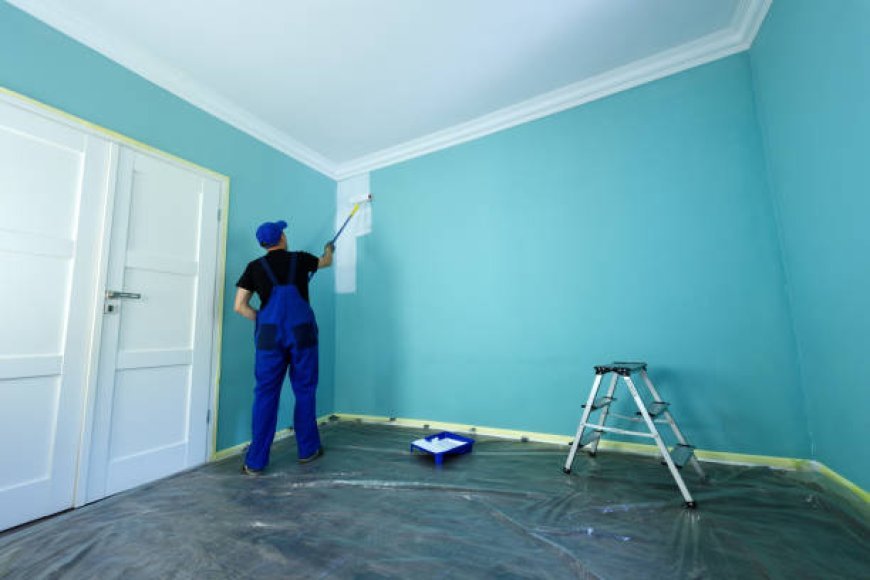
At Local Painters, we tell homeowners that comparing painting estimates means matching the same preparation, paint, coats, and finish before comparing totals. A painting estimate is a written description of the surfaces, repairs, materials, and labor included in a proposed job. The lowest number only helps when every estimate covers the same work.
We prepare house painting estimates in Goodyear, AZ by separating surface preparation, paint application, and finish details. The useful comparison is not simply a total at the bottom. You want to see what happens before painting starts, which product level is included, how many coats are planned, and what happens if hidden damage appears. A short quote may look attractive until those missing details become extra work.
What Actually Decides the Estimate
Local painting companies set a reliable estimate by measuring labor, surface condition, access, and finish requirements together. Paint quantity matters, but preparation usually drives the difference between two totals. Peeling paint, stains, nail holes, caulk gaps, and damaged stucco add work before color goes on.
On stucco homes in Goodyear, AZ, hairline cracks, chalky surfaces, and previous patching change the estimate more than a small difference in wall size. Interior estimates shift when walls need stain blocking or drywall repair. A provider who asks about these conditions is building a work plan, not simply guessing gallons.
Measurements still matter for ceilings, doors, trim, and separate color areas. A room with eight-foot walls and one color is easier to price than a tall entry with stair rails, several doors, and a dark color change. Ask how each surface was counted, because a missing ceiling or closet can make two totals look comparable when they are not.
How Local Painting Companies Set Scope
A residential painting company makes estimates comparable by spelling out each surface, preparation task, product, coat plan, and cleanup duty. Scope means the written boundaries of the job. Without those boundaries, one quote may cover walls only while another includes ceilings, baseboards, doors, and minor repairs.
Rooms with furniture, built-in shelving, or tight access take more time to protect and cut around than empty rooms. The turn at a hallway corner often takes longer than a broad wall because brush work slows around trim and adjoining colors. Check whether moving light furniture, covering floors, and replacing switch plates are included.
When you compare house painters in Goodyear, AZ, paint quality is only one part of the comparison. Read the product line for brand family, sheen, primer, and planned coats, then check whether the same details appear for every room. A wall changing from light beige to deep blue may need a different preparation plan than a simple refresh, so a one-line “paint walls” description is too thin.
Typical Price Ranges to Compare Against
Typical market prices for residential painting cover a broad range because home size, repairs, access, and finish level change the labor. Use the figures below as planning points, not as a bid. A final price requires an on-site look and a written scope tied to the actual surfaces.
-
One interior room: $400 to $900 for walls in sound condition, with trim or repair work increasing the range.
-
1,500-square-foot interior: $3,500 to $7,500 for a broader repaint with ordinary preparation and standard finishes.
-
Single-story exterior: $3,000 to $6,500 for common siding or stucco conditions, with repairs and access affecting the total.
-
Two-story exterior: $5,000 to $10,000 when added height, setup, surface repairs, and larger wall areas are involved.
A final painting estimate should state whether those prices include materials, protection, preparation, cleanup, and tax. Trim and doors often change the total because they require slower brush work and a different finish. A low number is not automatically wrong, but it needs a matching scope before it becomes a useful comparison.
Match the Estimate to Your Home
You get a better match by comparing each estimate with the age, material, layout, and condition of your home. Interior painters focus on wall repairs, trim, sheen, and protection, while an exterior painting contractor must account for stucco, siding, weather exposure, access, and the product’s surface requirements. Similar square footage does not mean similar labor.
Dark accent walls, glossy trim, and water stains deserve special attention because color changes and surface defects show through ordinary application. Older drywall may have loose tape or repeated nail patches, while newer walls may need only light sanding and caulk. A useful estimate names the repair level instead of hiding it under “standard prep.”
Full repainting is not worth ordering when a small scuff is the only problem and you still have the original paint in a sealed container. A careful touch-up may solve that spot. Matching paint can fail after years of fading, though, so test a small area before deciding that a full room needs work.
Find Details Hidden in Fine Print
Hidden house painting costs usually come from unclear exclusions, not from the paint itself. A painting contractor should identify repair limits, extra coats, high walls, furniture handling, color changes, and surfaces left untouched. Any item that could alter labor belongs in the written estimate before work begins.
A line that says “minor prep as needed” leaves too much room for disagreement. Ask what minor means: filling a few nail holes is different from replacing damaged drywall, scraping loose coating, or repairing cracked stucco. The phrase “paint doors” also needs a count, because six doors and one door are different workloads.
Scope changes deserve a written update before the added work starts. A hidden water stain, soft trim board, or failed caulk joint may require a separate repair decision. Your comparison is fair only when each provider explains what happens if the surface condition falls outside the original allowance.
Ask Questions That Settle the Choice
The most useful questions test how clearly a provider sees the job, not how quickly someone gives a total. Ask about preparation, surfaces, products, coats, protection, cleanup, and changes. A firsthand sign of a careful estimate is a room-by-room description that matches what you saw during the walkthrough.
Ask any contractor you hire: “What specifically is included in surface preparation, and what would change the price?” A good answer names the repairs included, the condition that triggers an added charge, and how you would approve that change. Vague replies such as “we handle whatever is needed” leave the largest part of the comparison unsettled.
Clear answers also reveal when a cheaper option is sensible. A sound rental unit needing one neutral coat may not need extensive trim work or premium finish products. A high-traffic hallway, stained kitchen, or sun-exposed exterior needs a closer match between product and use, even when another estimate looks lower.
Questions People Ask About Painting Estimates
How many estimates should you get for a painting job?
Two or three comparable estimates give you enough information to spot missing work without creating needless confusion. Give each provider the same room list, color plan, and repair notes. Comparing five different scopes often produces more noise than insight because each number may describe a different job.
Is a written estimate enough for a painting project?
A written estimate gives you a much clearer record, but local contract rules and the document’s wording still matter. Look for the property areas, preparation, materials, payment terms, exclusions, and change process. A painting estimate with only a total and a start date leaves major decisions unstated.
Can I paint one room myself and hire the rest?
Yes, but matching the finish requires the same color formula, sheen, surface preparation, and application method. A hand-painted section may show a different texture beside a sprayed or professionally rolled area. Tell the provider which room you will handle before the rest of the scope is priced.
Do older homes need a different painting estimate?
Older homes need closer attention to layered coatings, brittle caulk, past repairs, and uncertain surface conditions. Do not sand or scrape suspect old paint yourself. Ask painting contractors how they will inspect the coating and handle preparation safely before comparing their estimates.
How long does a painting estimate stay valid?
An estimate stays valid only for the period written in its terms, because scheduling, product availability, and the job’s condition can change. Look for an expiration date and ask if the quoted materials are reserved. A long delay is a reason to confirm the scope again before scheduling.
Get Help Comparing a Goodyear, AZ Estimate
A second look is useful when two estimates list different preparation, paint products, or finish details. A house painting company reviewing the papers with you can mark missing rooms, surfaces, and exclusions before you approve a scope. A one-page color schedule, including the sheen for each room, gives every provider the same reference.
Write down the room names, color changes, and surfaces you want included before asking for help. If you want to compare estimates from house painters in Goodyear, AZ, Local Painters can review the scope with you. Call (602) 775-3019 to discuss the painting work.
What's Your Reaction?
 Like
0
 Dislike
0
 Love
0
 Funny
0
 Angry
0
 Sad
0
 Wow
0