



























Darjeeling Luxury Travel Guide: Tea Estate Retreats, Colonial Heritage and Timeless Himalayan Charm
Explore Darjeeling's luxury tea estates, colonial heritage, heritage bungalows and Himalayan views with an unforgettable Luxury India tour.
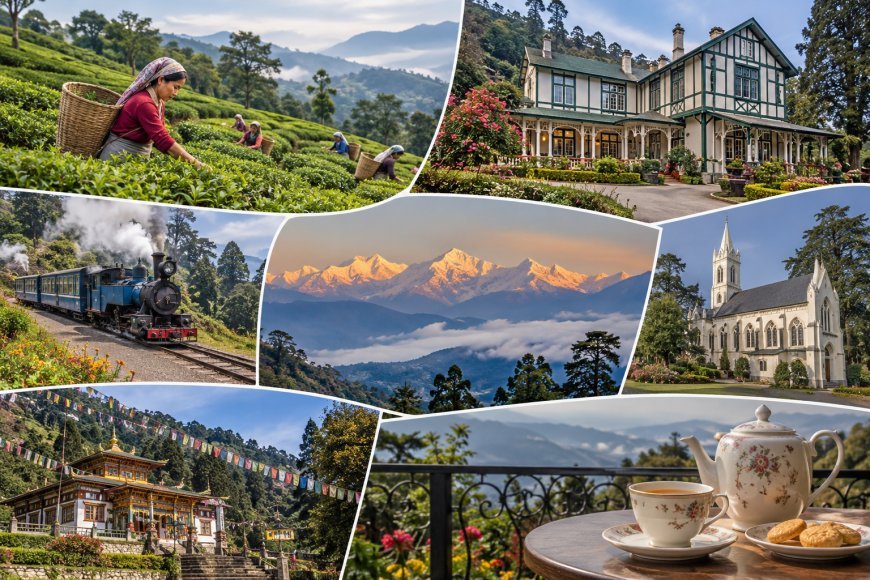
Darjeeling is one of India's most enchanting hill destinations, where rolling tea gardens, colonial-era architecture and spectacular Himalayan landscapes create an unforgettable travel experience. Located in the foothills of the Eastern Himalayas in West Bengal, this charming hill town offers a refreshing combination of natural beauty, cultural heritage and refined hospitality.
For travellers seeking something beyond India's busy cities and traditional sightseeing routes, Darjeeling offers a slower, more immersive way to experience the country. From peaceful mornings overlooking mist-covered mountains to private visits to historic tea estates, every experience reveals a different side of the region.
For those planning a Luxury India tour, Darjeeling provides an opportunity to combine elegant accommodation, authentic local experiences and the timeless atmosphere of the Himalayas.
1. Experience the Beauty of Darjeeling's Tea Estates
Tea is at the heart of Darjeeling's identity. Its carefully maintained plantations stretch across green hillsides, creating some of the most beautiful landscapes in eastern India. The region is internationally recognised for its distinctive Darjeeling tea, often appreciated for its delicate aroma and muscatel flavour.
Visiting a tea estate is one of the most rewarding experiences for travellers. Rather than simply enjoying a cup of tea, visitors can learn about the journey from freshly picked leaves to the finished product.
Some estates offer guided experiences that introduce visitors to tea cultivation, plucking techniques, processing methods and tasting traditions. Walking through the plantations with an experienced guide provides an opportunity to understand the craftsmanship behind this celebrated Indian beverage.
For a more exclusive experience, travellers can arrange private tea tastings, enjoy peaceful garden surroundings and spend time learning about the region's tea-making heritage.
2. Stay in Charming Heritage Tea Bungalows
One of the most distinctive ways to experience Darjeeling is by staying in a heritage tea bungalow. Originally built for tea estate managers and planters, these properties preserve the architectural character and atmosphere of an earlier period.
Many feature wooden floors, traditional fireplaces, spacious verandas, antique furnishings and gardens overlooking the surrounding plantations.
These properties offer a different kind of luxury from contemporary city hotels. Their appeal lies in privacy, character and a strong connection with the surrounding landscape.
Guests can enjoy freshly prepared meals, afternoon tea, peaceful garden walks and views of the Himalayan foothills. Some properties also arrange personalised plantation visits and cultural experiences.
For travellers considering Luxury India holidays, these heritage retreats offer a memorable alternative to conventional hotel accommodation.
3. Explore Darjeeling's Colonial Heritage
Darjeeling's colonial past remains visible throughout its architecture, educational institutions, churches and historic streets. During the nineteenth century, the town developed into an important British hill station, attracting officials and visitors seeking a cooler climate.
Today, its historic character gives the destination a distinctive atmosphere.
One of the best ways to appreciate this heritage is through a guided walking tour. Visitors can explore old buildings, traditional neighbourhoods and landmarks while learning how Darjeeling developed into the hill town it is today.
Important places to visit include:
-
St Andrew's Church: A historic church known for its colonial-era architecture and peaceful surroundings.
-
Raj Bhavan: A prominent heritage building associated with the region's administrative history.
-
Lloyd's Botanical Garden: A beautiful garden established in the nineteenth century, featuring a variety of Himalayan and exotic plant species.
-
The Darjeeling Mall: A lively central area where visitors can enjoy historic surroundings, local shops and relaxed cafés.
Exploring these landmarks provides a deeper understanding of the region's history and cultural development.
4. Enjoy a Journey on the Darjeeling Himalayan Railway
No visit to Darjeeling is complete without experiencing its famous toy train. The Darjeeling Himalayan Railway is a UNESCO World Heritage Site and one of India's most remarkable railway journeys.
Built during the nineteenth century, the railway connects the plains with the hill town through a fascinating route of mountain curves, loops and steep gradients.
The journey offers beautiful views of tea gardens, traditional settlements and Himalayan scenery. One of its most memorable sections is the Batasia Loop, where the train navigates a circular railway track surrounded by landscaped gardens and mountain views.
For travellers who appreciate heritage and slow travel, this experience offers something particularly special. It is not simply a way to reach a destination but an opportunity to appreciate the engineering achievements and historical significance of the region.
5. Witness Spectacular Views of the Himalayas
Tiger Hill | Darjeeling, India | Attractions - Lonely Planet
Darjeeling's mountain scenery is among its greatest attractions. On clear mornings, the Himalayan landscape creates an extraordinary backdrop, with snow-covered peaks rising above the surrounding valleys.
Tiger Hill is one of the most popular viewpoints in the region. It is particularly famous for sunrise views over Mount Kanchenjunga, when the changing sunlight gradually illuminates the mountain peaks.
Travellers can also enjoy scenic views from Observatory Hill and several viewpoints around the town.
For a more relaxed experience, consider arranging a private excursion with a knowledgeable local guide. This allows visitors to explore at their own pace, spend more time photographing the landscape and enjoy the natural surroundings without rushing between attractions.
Weather conditions can affect mountain visibility, so allowing some flexibility in the itinerary is worthwhile.
6. Discover Local Culture and Himalayan Traditions
Darjeeling is home to a fascinating mix of Nepali, Tibetan, Bengali and other Himalayan cultural influences. This diversity is reflected in its food, festivals, architecture, religious traditions and everyday life.
Visitors can explore local markets, sample regional dishes and visit Buddhist monasteries to understand the area's cultural character.
The Ghoom Monastery, also known as Yiga Choeling Monastery, is one of the region's important spiritual landmarks. Its peaceful atmosphere and traditional Buddhist surroundings provide a contrast to the busy town centre.
Food is another important part of the experience. Travellers can enjoy local favourites such as momos, thukpa and traditional Nepali dishes, alongside classic Darjeeling tea.
For a richer cultural experience, consider spending time with local guides who can explain the traditions and stories behind the places being visited.
7. Enjoy Refined Dining and Relaxed Experiences
Luxury travel in Darjeeling is not necessarily about grand entertainment or elaborate attractions. Much of its appeal comes from enjoying simple experiences in beautiful surroundings.
Imagine beginning the morning with freshly brewed Darjeeling tea while looking across mist-covered plantations. Later, enjoy a leisurely lunch featuring regional ingredients before spending the afternoon relaxing in a heritage property.
Travellers can also enjoy private dining arrangements, carefully selected local food experiences and peaceful evenings beside a fireplace.
A well-planned luxury trip india itinerary can combine these quieter moments with guided sightseeing, scenic excursions and comfortable private transfers.
The emphasis is on quality, personal attention and meaningful experiences rather than trying to fit too many activities into a short stay.
8. Best Time to Visit Darjeeling
The best time to visit Darjeeling generally depends on the type of experience travellers want.
March to May: Spring and early summer bring pleasant temperatures, blooming flowers and favourable conditions for sightseeing.
June to September: The monsoon season brings heavy rainfall, mist and lush green landscapes. However, rain can affect road journeys and mountain visibility.
October to November: This is one of the most rewarding periods for visiting, with clearer skies, comfortable temperatures and excellent opportunities for mountain views.
December to February: Winter offers a quieter atmosphere and cold weather, making it appealing to travellers who enjoy peaceful hill-station experiences.
For travellers hoping to enjoy tea gardens and clear Himalayan views, spring and autumn are particularly attractive choices.
9. Planning a Luxury Darjeeling Holiday
A memorable Darjeeling holiday requires thoughtful planning. The destination can be combined with other parts of eastern and northern India to create a varied travel experience.
Travellers might begin in Kolkata, exploring its colonial architecture and cultural attractions, before continuing towards Darjeeling. The journey can also be combined with Kalimpong, Gangtok or other Himalayan destinations, depending on available time and travel preferences.
Private transfers, carefully selected heritage accommodation, knowledgeable local guides and flexible sightseeing arrangements can make the journey more comfortable.
For international visitors, it is also worth allowing sufficient time for travel between destinations, as mountain roads can make journeys longer than expected.
A thoughtfully organised Luxury India trip should balance sightseeing with opportunities to relax and appreciate the destination.
Frequently Asked Questions
1. What makes Darjeeling a special luxury travel destination?
Darjeeling combines scenic tea plantations, heritage accommodation, colonial architecture, Himalayan views and distinctive local culture.
2. Which tea estates can visitors explore in Darjeeling?
Visitors can explore renowned estates such as Happy Valley Tea Estate and other plantations offering tea experiences, subject to availability and visitor arrangements.
3. How many days are ideal for a luxury Darjeeling holiday?
Three to four days are generally suitable for exploring the main attractions, enjoying tea estate experiences and relaxing in heritage accommodation.
4. What is the best time to visit Darjeeling?
March to May and October to November are particularly good periods for sightseeing, comfortable weather and Himalayan views.
5. Can Darjeeling be included in a wider luxury India itinerary?
Yes. Darjeeling can be combined with Kolkata, Kalimpong, Gangtok and other Himalayan destinations to create a varied Indian holiday.
What's Your Reaction?
 Like
0
 Dislike
0
 Love
0
 Funny
0
 Angry
0
 Sad
0
 Wow
0