



























How Hypothyroidism Can Affect Menstrual Cycles and Female Fertility
Learn how hypothyroidism affects menstrual cycles, thyroid hormones, ovulation, and female fertility, including symptoms and available evaluation options.

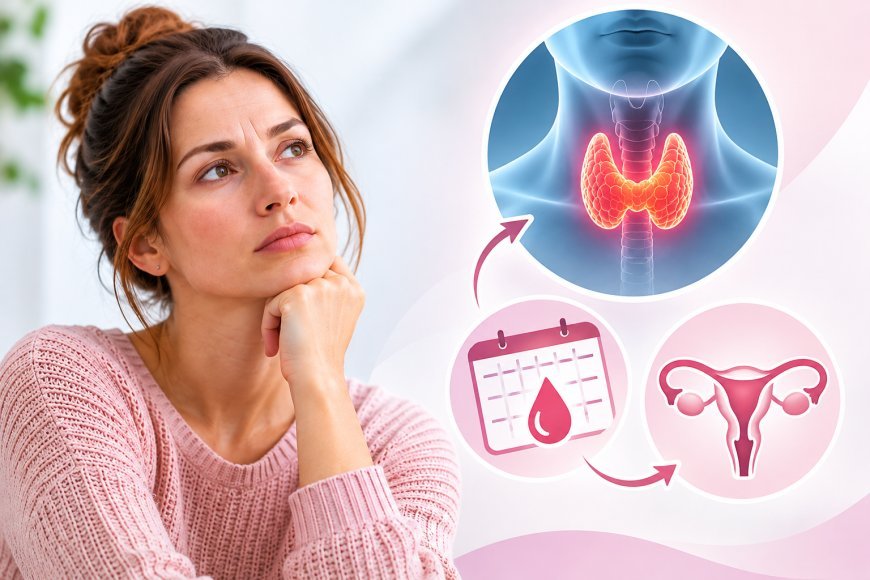
A regular menstrual cycle is influenced by several factors, including reproductive hormones, general health, and thyroid function. The thyroid gland plays an important role in regulating metabolism and supporting several bodily processes. When it produces insufficient hormones, the effects may extend beyond energy levels and body temperature. Understanding the connection between hypothyroidism and irregular periods can help women recognize possible hormonal concerns and seek appropriate medical evaluation.
Understanding the Connection Between Thyroid Function and Menstruation
The thyroid is a small, butterfly-shaped gland located at the front of the neck. It produces hormones called thyroxine (T4) and triiodothyronine (T3), which influence metabolism, energy production, and various organ functions.
These hormones also interact with the reproductive system. Thyroid dysfunction may affect the hormonal signals involved in ovulation and menstrual cycle regulation.
Hypothyroidism occurs when the thyroid gland does not produce enough thyroid hormones. Women with this condition may experience changes in menstrual patterns, including heavier bleeding, irregular cycles, or missed periods.
Not every menstrual change indicates a thyroid problem. Other conditions, medications, stress, and normal reproductive transitions can also influence menstrual health.
How Hypothyroidism and Irregular Periods Are Connected
The relationship between hypothyroidism and irregular periods involves interactions between thyroid hormones and reproductive hormones.
Low thyroid hormone levels can influence the hypothalamic-pituitary-ovarian system, which helps regulate ovulation and menstrual cycles. Changes in this system may affect the timing of ovulation and the balance of hormones involved in menstruation.
Some women with hypothyroidism experience:
-
Heavier or prolonged menstrual bleeding
-
Infrequent menstrual periods
-
Irregular cycle timing
-
Missed menstrual periods
-
Changes in ovulation patterns
The severity and type of menstrual changes vary between individuals. Some women experience noticeable symptoms, while others may have thyroid dysfunction without obvious menstrual changes.
The Relationship Between Thyroid Hormones and Menstruation
Understanding thyroid hormones and menstruation requires looking at how the endocrine and reproductive systems communicate.
Thyroid hormones help maintain normal metabolic activity throughout the body. When thyroid hormone production becomes insufficient, the resulting changes can affect reproductive hormone regulation.
One important factor is prolactin, a hormone associated with milk production. In some cases, hypothyroidism can increase prolactin levels, which may interfere with normal ovulation and menstrual function.
Thyroid dysfunction may also influence estrogen metabolism and the hormonal processes that prepare the uterine lining during the menstrual cycle.
These interactions help explain why thyroid conditions can sometimes appear alongside menstrual irregularities. A proper assessment is important because menstrual changes may have several possible explanations.
Can Thyroid Problems Affect Female Fertility?
The connection between thyroid and fertility is an important consideration for women planning a pregnancy.
Thyroid hormones contribute to normal reproductive function, including ovulation and menstrual cycle regulation. Untreated overt hypothyroidism may interfere with these processes and is associated with reproductive difficulties in some women.
Potential concerns include:
-
Irregular ovulation
-
Changes in menstrual cycle timing
-
Difficulty identifying fertile periods
-
Reduced chances of conception in some cases
-
Increased risk of certain pregnancy complications when hypothyroidism remains untreated
Not every woman with hypothyroidism experiences fertility problems. Women whose thyroid condition is appropriately treated and monitored can often have normal fertility outcomes.
Anyone planning pregnancy while managing a thyroid condition should discuss appropriate testing and monitoring with a qualified healthcare professional.
Common Symptoms That May Accompany Hypothyroidism
Menstrual changes are only one possible sign of an underactive thyroid. Other symptoms may develop gradually and can sometimes be mistaken for ordinary lifestyle-related changes.
Common symptoms include:
-
Persistent tiredness
-
Increased sensitivity to cold
-
Dry skin and hair changes
-
Constipation
-
Difficulty concentrating
-
Unexplained changes in body weight
-
Heavy menstrual bleeding
-
Muscle aches and weakness
These symptoms are not exclusive to hypothyroidism. Blood testing is generally needed to determine whether thyroid function is abnormal.
How Is Hypothyroidism Diagnosed?
A healthcare professional may recommend thyroid blood tests when menstrual irregularities occur alongside symptoms associated with thyroid dysfunction.
A thyroid-stimulating hormone (TSH) test is commonly used as an initial assessment. Free T4 testing may provide additional information about the amount of circulating thyroid hormone available to the body.
Additional investigations may be considered depending on symptoms and medical history.
For women experiencing persistent menstrual changes, a broader assessment may also be appropriate. Other possible causes include polycystic ovary syndrome (PCOS), elevated prolactin, pregnancy, and changes associated with perimenopause.
Understanding these possibilities helps prevent incorrect assumptions about the cause of menstrual irregularities.
Managing Thyroid Dysfunction and Supporting Reproductive Health
Treatment depends on the specific thyroid condition, laboratory findings, symptoms, and individual medical circumstances.
For hypothyroidism, healthcare professionals commonly prescribe thyroid hormone replacement when clinically indicated. Regular monitoring helps determine whether treatment is working as expected.
Women should not change medication doses or begin hormone-related supplements without medical guidance.
Lifestyle habits, including adequate sleep, balanced nutrition, and regular physical activity, can support general health. These habits do not replace medical treatment for an established thyroid disorder.
When to Consider a Thyroid Health Evaluation
Persistent changes in menstrual cycles deserve attention, particularly when accompanied by symptoms associated with thyroid dysfunction.
Women may benefit from discussing their menstrual history, symptoms, medications, and family history during a healthcare consultation.
Inception Telehealth & Wellness provides information and support related to thyroid conditions. Women interested in understanding available evaluation and care options can explore its thyroid dysfunction services.
An appropriate assessment can help identify whether thyroid dysfunction is contributing to menstrual changes and whether further investigation is necessary.
Conclusion
Thyroid function and reproductive health are closely connected. Hypothyroidism may influence ovulation, menstrual cycle regularity, and fertility in some women. Recognizing possible symptoms and obtaining appropriate testing can help identify underlying thyroid concerns. With suitable medical evaluation and monitoring, many women can manage thyroid conditions while supporting their reproductive health.
What's Your Reaction?
 Like
0
 Dislike
0
 Love
0
 Funny
0
 Angry
0
 Sad
0
 Wow
0