




















Why Does Mold Keep Coming Back in the Shower
You scrub it away and it returns within weeks. Learn why shower mold keeps coming back, how to clean it safely, and when the cause is a hidden leak in the wall.

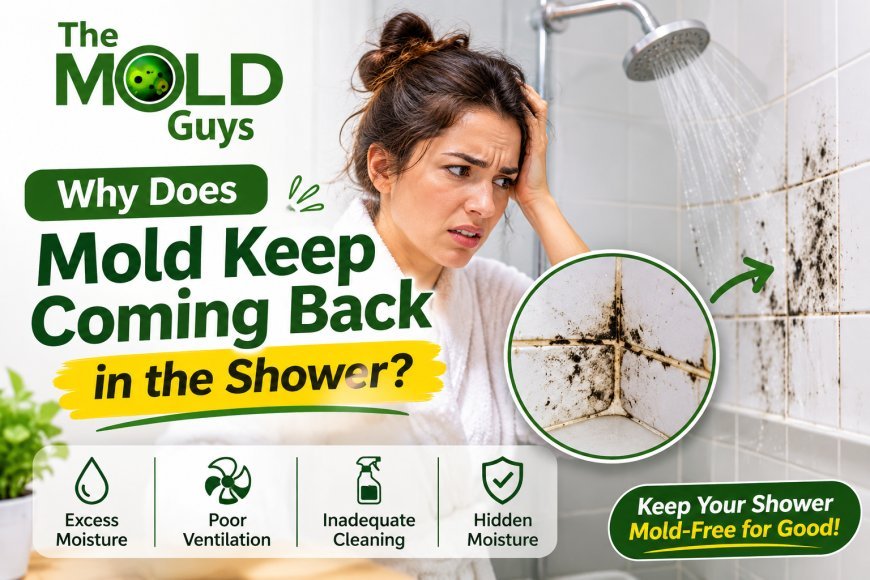
You scrubbed the grout on Saturday. By the next weekend the dark spots are back along the same tile line. It is frustrating and it makes many people wonder whether their cleaning method is wrong. Often it is not. Mold in the shower returns because the conditions that created it are still there, and a cleaner cannot change those conditions. This guide explains why the problem keeps repeating, how to clean small areas safely, how to spot a hidden leak, and when it is time to call for help. It ends with habits that make a real difference over time.
The Quick Answer
Mold comes back in a shower for three main reasons. The space stays wet and humid for too long after each use. Soap scum and body oils give mold something to feed on. And porous materials like grout and worn caulk hold moisture below the surface where a spray cannot reach. In a smaller number of homes the real cause is a leak behind the wall.
If the spots return within days in the same place, treat that as a clue and not a cleaning failure. Better ventilation, faster drying, and fresh caulk solve most cases. When they do not, look for water that is escaping where you cannot see it.
Why a Shower Is the Perfect Place for Mold
A shower combines the three things mold needs. It has water, warmth, and a steady food supply. That is why even a spotless bathroom can grow mold within weeks.
Moisture That Never Leaves
Every hot shower fills the room with moisture. If the exhaust fan is weak or runs only a few minutes, that moisture settles on walls, ceilings, and grout lines. Closed doors and small windows make it worse. Surfaces that stay damp for more than a day or two give spores time to take hold. In humid parts of Florida the air is often too damp for the bathroom to dry on its own.
Food Mold Finds in Soap Scum
Mold does not eat tile. It feeds on the film left behind by soap, shampoo, conditioner, and skin oils. That film builds up on tile, glass, and the bottom of the tub or pan. A shower that looks clean at a glance can still carry a thin layer of food for mold.
Porous Surfaces and Worn Caulk
Grout is porous. It absorbs water and holds it. Caulk shrinks and cracks with age and creates small gaps where water collects. Mold grows in those gaps and sends threads into the material. Wiping the top layer removes what you can see and leaves the part that grew inside, which is why spots reappear in the same lines.
Why Cleaning Alone Does Not Last
Cleaning is necessary. It is just not a fix on its own. A cleaner removes the visible growth but it does nothing about the conditions that allowed growth.
Surface Cleaning Misses What Is Below
Spots on porous grout or old caulk often reach below the surface. A quick spray whitens the top and leaves the rest alone. A few weeks later the color returns because the growth never fully left. Caulk with deep staining usually has to be cut out and replaced and grout may need to be cleaned more deeply or resealed.
Slow Drying After Cleaning
Many people clean and then leave the shower damp. Water left on the wall after cleaning restarts the cycle. Mold needs moisture more than anything else. If the shower is wet again an hour later, the cleaning has very little time to help.
Hidden Leaks Behind the Tile
Sometimes the water feeding the mold is not coming from the shower head. A leak inside the wall can keep materials damp around the clock. That kind of mold returns no matter how well you clean the surface.
Signs of a Leak
Watch for tile that has come loose or sounds hollow when tapped. Soft or spongy drywall near the shower is another warning, along with paint that bubbles on the wall next to it. A stain on the ceiling of the room below suggests water is traveling. A musty smell that stays after cleaning and a water bill that climbs without explanation are also worth taking seriously. If mold returns in the same spot every time, a hidden source is more likely.
Why It Needs More Than Caulk
New caulk helps when the gap is the problem. It will not stop a failing shower pan, a leaking valve, or a cracked supply line. Water in the wall damages drywall and wood framing and can feed hidden mold. This is the point where mold and water damage repair matters. The leak has to be found and fixed, the wet materials dried or replaced, and the area rebuilt. Cleaning the visible spots without those steps only delays the next round.
How to Clean Small Areas Safely
A small patch of surface mold on tile and sealed surfaces is something many homeowners can handle. The EPA draws the general line at about 10 square feet. Larger areas or any growth on soft materials should go to a professional.
Gear and Ventilation
Open a window and run the exhaust fan. Wear an N95 respirator, rubber gloves, and goggles because disturbed spores irritate the eyes and lungs. Never mix cleaning products. Bleach combined with ammonia or vinegar can create toxic fumes.
Cleaning Steps
Start with a dry brush or cloth to loosen loose growth. Scrub the area with a detergent and warm water solution to remove soap scum, since scum feeds the problem. Apply a cleaner that is suitable for the surface and follow the label. Rinse well and then dry the entire shower with a towel or squeegee. Open the door and let the fan run for at least 30 minutes.
Treating Black Spots on Grout and Caulk
Many people search for a way to kill black mold in shower corners and grout lines, and the honest answer is that the color matters less than the cause. Dark spots do not tell you which type of mold you have. A cleaner on tile may work well on the surface. On grout it may lighten the stain while the growth below stays. If caulk is blackened all the way through, cut it out, clean the joint, let it dry fully, and apply new mildew resistant caulk. If grout keeps staining, a deeper cleaning and a sealer after it dries can help.
Shower Curtains, Mats, and Towels
Mold does not stay on the wall. It spreads to anything that stays damp in the room.
Liners and Bath Mats
Fabric and plastic curtain liners collect soap scum and hold water in the folds. Wash them monthly or replace them when pink or black spots appear. Bath mats that never dry are a common source of musty smells. Hang them up after use and wash them weekly.
Clothes and Fabric
Towels, robes, and clothing left in a humid bathroom or damp hamper can pick up spores too. A mould stain on clothes usually shows as small gray or black freckles and a damp smell. Wash affected items in the hottest water the care label allows and dry them completely on high heat or in sunlight. Keep laundry baskets out of the bathroom if the room stays humid.
How to Keep It From Returning
Prevention is where lasting results come from. The goal is to keep the room dry and the surfaces clean so spores never get what they need.
Ventilation
Run the exhaust fan during every shower and for 20 to 30 minutes afterward. Make sure the fan vents outdoors and not into the attic. A weak fan can be tested by holding a tissue near it and watching whether it holds against the grille. If it does not, the fan needs cleaning or replacement. Prevention of mold in the shower starts with moving that damp air out of the room.
Daily Habits
Squeegee the walls and door after use or wipe them with a towel. Keep bottles off the floor of the shower and clean them regularly, because bottle bases trap water. Leave the door and curtain open so air can move. Aim for indoor humidity between 30 and 50 percent, which is the range the EPA suggests.
Seal and Maintain
Check caulk twice a year. Replace it when it cracks, peels, or stays discolored after cleaning. Reseal grout about once a year if it is porous. Fix dripping faucets and leaking fixtures quickly. Dry any water you notice outside the shower within 24 to 48 hours.
When It Is Time to Call a Professional
Some situations go beyond a bottle and a brush. Call for help when mold covers more than about 10 square feet and when it returns within days of cleaning. Do the same when drywall or tile feels soft, when you smell mold with nothing visible, or when someone in the home has asthma or a weakened immune system. A visible leak, a ceiling stain below the bathroom, or water damage from an earlier event also points to a larger problem.
A good company explains what it plans to do before it starts. When you compare trusted mold removal services look for a written scope of work, proper containment, and a clear plan for finding the moisture source. Ask about licensing and insurance and read recent reviews on sources you can verify.
Common Mistakes to Avoid
The first mistake is cleaning without fixing the moisture. The second is painting over a stain on a wall near the shower. The third is using bleach on grout and expecting it to reach below the surface. The fourth is ignoring cracked caulk because it still looks fine from a distance. The fifth is closing the bathroom door right after a shower and letting the steam sit.
Another common mistake is skipping the repair stage after a leak. Mold and water damage repair has to include drying the structure fully before anything is rebuilt. Otherwise the new tile or wall board can hide the same problem.
Working With The Mold Guys
The Mold Guys are a Florida mold assessment and remediation company based in Venice. They have served Southwest and Central Florida for more than 25 years from Tampa to Naples. Their team handles mold inspection and testing, mold removal, and water damage restoration for homes and businesses. A technician inspects the site, looks for the moisture source, and provides a bid. The crew uses containment, negative air pressure, and HEPA filtration and stays until the property is confirmed safe and clean.
If mold keeps returning or you suspect a leak, call (941) 416 4113 or send a message through the contact page. They are available around the clock for emergencies.
Final Thoughts
Mold keeps coming back in the shower because the moisture, the soap film, and the porous materials are all still there after cleaning. Fix those conditions and the problem usually fades. Improve ventilation, dry the surfaces, refresh worn caulk, and clean on a steady schedule. When mold returns quickly or the wall feels soft, look for a hidden leak. Those cases call for trusted mold removal services that can find the source and restore the area properly.
Frequently Asked Questions
Q: Why does mold keep growing in the same spot?
A: The conditions in that spot stay the same. It may stay damp longer, have worn caulk, or sit above a hidden leak. Cleaning removes visible growth but not the cause. Fix the moisture and the spot will stop returning.
Q: How do I kill black mold in shower grout?
A: Scrub the grout with detergent first to remove soap scum then apply a cleaner suited to the surface and follow its label. Rinse and dry fully. If staining returns quickly the growth may run deep or a leak may be involved.
Q: Is mold in the shower dangerous?
A: It can irritate the eyes, nose, and lungs especially for people with allergies or asthma. Color does not tell you how harmful a mold is. Clean small spots promptly and call a professional for large or recurring growth.
Q: Can mold in the bathroom cause mold stain on clothes?
A: Yes. Damp towels and clothing near a humid shower can pick up spores and show gray or black spots. Wash them in the hottest water the care label allows and dry fully. Keep fabrics out of the damp room.
Q: How often should I replace the shower caulk?
A: Check it twice a year and replace it when it cracks, peels, or stays stained after cleaning. Many showers need fresh caulk every few years. Remove the old caulk completely and let the joint dry before applying new.
What's Your Reaction?
 Like
0
 Dislike
0
 Love
0
 Funny
0
 Angry
0
 Sad
0
 Wow
0