

























Ovulation Induction for Women Experiencing Irregular Menstrual Cycles
This article explains how ovulation induction helps women with irregular menstrual cycles improve their chances of conception. It covers common causes of irregular ovulation, fertility tests, prescribed medicines, ultrasound monitoring, treatment procedures, possible side effects and pregnancy chances. It also highlights fertility care and ovulation induction services available at Genesis Fertility & Laparoscopy Centre in Sainikpuri.


Ovulation induction is a fertility treatment that uses prescribed medicines to help the ovaries release an egg regularly. It is commonly recommended for women who experience irregular menstrual cycles, infrequent ovulation or difficulty conceiving due to hormonal imbalances.
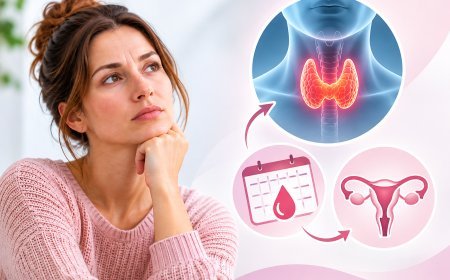
For women considering ovulation induction in Sainikpuri, the first step is understanding why their menstrual cycles are irregular. Conditions such as Polycystic Ovary Syndrome (PCOS), thyroid disorders and other hormonal problems can affect ovulation. A fertility specialist evaluates these factors before deciding which medicine and monitoring schedule may be suitable.
The purpose of treatment is to support the development and release of a mature egg, allowing couples to plan conception with better information about the woman's ovulation cycle.
How Irregular Menstrual Cycles Affect Ovulation
A menstrual cycle is generally considered regular when periods occur at predictable intervals. In many adult women, cycles range from approximately 21 to 35 days.
When periods occur unpredictably, are frequently delayed or are missed for several months, ovulation may also be irregular. This makes it difficult to identify the fertile window.
During a normal menstrual cycle, the brain releases hormones that signal the ovaries to develop follicles. One follicle usually becomes dominant and releases a mature egg during ovulation.
When this process is disturbed, the egg may not develop or release regularly. Without regular ovulation, the chances of natural conception may decrease.
Common signs associated with irregular ovulation include:
-
Periods occurring at different intervals each month.
-
Missing periods for several weeks or months.
-
Difficulty identifying fertile days.
-
Unpredictable menstrual bleeding.
-
Difficulty conceiving despite regular attempts.
Women experiencing these symptoms should consider a medical evaluation rather than relying only on period tracking applications.
Common Causes of Irregular Ovulation in Women
Identifying the reason behind irregular periods helps doctors select an appropriate treatment. Several medical conditions can affect the hormones responsible for egg development and release.
1. Polycystic Ovary Syndrome (PCOS)
PCOS is one of the common causes of irregular ovulation. Women with this condition may experience hormonal imbalances, irregular periods, acne, increased facial hair or changes in body weight.
In some cases, the ovaries contain several small follicles, but a mature egg is not released regularly. Ovulation induction may be recommended when a woman with PCOS is trying to conceive.
2. Thyroid Disorders
The thyroid gland helps regulate several body functions, including reproductive hormone activity. Both an underactive and overactive thyroid can affect menstrual patterns.
Women with irregular periods may be advised to undergo thyroid function testing before starting fertility medicines.
3. High Prolactin Levels
Prolactin is a hormone involved in breast milk production. When its levels are higher than normal outside pregnancy and breastfeeding, it may interfere with ovulation.
A blood test can help identify this condition, and treatment may be needed before fertility medicines are considered.
4. Weight and Lifestyle Related Factors
Significant weight changes, excessive exercise, poor nutrition and prolonged physical or emotional stress may affect the hormones responsible for ovulation.
Doctors may recommend addressing these factors alongside medical treatment.
How Ovulation Induction Treatment Works
Before prescribing medicines, the fertility specialist evaluates the patient's menstrual history, hormone levels and ovarian condition.
Depending on the diagnosis, the treatment process generally involves the following stages.
Initial Fertility Assessment
The first consultation helps the doctor understand the duration of irregular periods, previous pregnancies, medical conditions and attempts to conceive.
Investigations may include:
-
Pelvic ultrasound to examine the ovaries and uterus.
-
AMH testing to assess ovarian reserve when indicated.
-
Thyroid function tests.
-
Prolactin testing.
-
FSH and other reproductive hormone tests.
-
Blood sugar assessment, particularly in women with PCOS.
Not every woman requires all these tests. The doctor selects investigations according to individual symptoms and medical history.
Selecting Suitable Fertility Medicines
The medicine depends on the cause of irregular ovulation and the patient's response to treatment.
Common medicines include:
Letrozole: This medicine is frequently used as a first line option for women with PCOS who have difficulty ovulating.
Clomiphene Citrate: It stimulates the hormonal signals involved in follicle development and may be prescribed in selected cases.
Gonadotropin Injections: These contain reproductive hormones that directly stimulate follicle growth. They may be considered when oral medicines are unsuitable or have not produced the desired response.
Patients should not take these medicines without medical supervision because the dosage and timing need to be selected carefully.
Monitoring Follicle Development
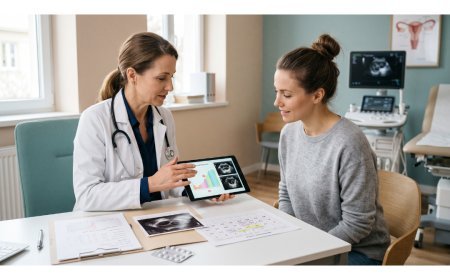
Once medication begins, the doctor may schedule ultrasound examinations to monitor follicle growth.
These scans help determine whether the ovaries are responding to treatment and whether a mature follicle is developing.
Depending on the findings, the doctor may adjust the medicine dosage, continue monitoring or recommend an injection to trigger ovulation.
Timing Intercourse or Insemination
When a mature follicle develops, the fertility specialist may advise the couple about the expected ovulation period.
For suitable patients, timed intercourse may be recommended. In some cases, ovulation induction is combined with intrauterine insemination (IUI), depending on sperm health and other fertility findings.
What Are the Chances of Pregnancy After Ovulation Induction?
The chances of pregnancy depend on several individual factors, including age, ovarian function, sperm health, the cause of infertility and the duration of attempts to conceive.
Some women may ovulate after the first treatment cycle, while others may require changes in medication or additional investigations.
It is also important to understand that releasing an egg does not automatically result in pregnancy. Fertilisation, embryo development, fallopian tube function and implantation all influence the outcome.
If pregnancy does not occur after several monitored cycles, the doctor may review the diagnosis and discuss other fertility options, including IUI or IVF where appropriate.
Safety and Possible Side Effects of Treatment
Ovulation induction medicines require regular medical monitoring because ovarian response can vary between patients.
Some women may experience mild side effects, including:
-
Headaches.
-
Hot flashes.
-
Bloating or abdominal discomfort.
-
Breast tenderness.
-
Mood changes.
A less common but important complication is ovarian hyperstimulation syndrome (OHSS), particularly with injectable fertility medicines. It can cause enlarged ovaries and fluid accumulation.
Multiple pregnancy is another possible risk because more than one egg may develop during treatment. Ultrasound monitoring helps doctors assess these risks and decide whether a treatment cycle should continue.
Severe abdominal pain, rapid abdominal swelling, vomiting or breathing difficulty requires prompt medical attention.
Fertility Care and Ovulation Induction in Sainikpuri
Women looking for ovulation induction in Sainikpuri should choose a fertility centre where the treatment plan includes proper diagnosis, medication guidance and ultrasound monitoring.
Genesis Fertility & Laparoscopy Centre provides fertility related services, including ovulation induction, fertility consultations, IUI and IVF. Women experiencing irregular periods can discuss their symptoms, previous test reports and conception goals with the medical team.
The centre's approach to fertility care allows patients to discuss suitable treatment options according to their reproductive health. A consultation can help determine whether ovulation induction alone may be appropriate or whether additional fertility investigations are required.
Conclusion
Irregular menstrual cycles can make natural conception difficult when ovulation does not occur regularly. Ovulation induction offers a medical approach to support egg development and release in women experiencing certain ovulation related problems.
For women considering ovulation induction in Sainikpuri, identifying the underlying cause is an important part of treatment. Hormonal testing, ultrasound monitoring and the correct choice of fertility medicines help doctors make decisions based on individual needs.
Genesis Fertility & Laparoscopy Centre provides fertility consultation and treatment options for women seeking medical guidance. Discussing menstrual irregularities with a fertility specialist can help identify the next appropriate step towards
Frequently Asked Questions
Q.1 Can irregular periods affect pregnancy chances?
Ans. Yes. Irregular periods may indicate inconsistent ovulation, making it difficult to identify fertile days and reducing the chances of conception in some women.
Q.2 Which medicine is commonly used for ovulation induction?
Ans. Letrozole is commonly prescribed for women with PCOS related ovulation problems. Clomiphene citrate and gonadotropin injections may also be considered depending on the patient's condition.
Q.3 How long does ovulation induction treatment take?
Ans. A medication cycle generally takes a few weeks, including menstrual cycle preparation, medicine administration and ultrasound monitoring. The number of cycles required varies between patients.
Q.4 Is ovulation induction suitable for women with PCOS?
Ans. Yes. Ovulation induction is commonly recommended for women with PCOS who are trying to conceive and have difficulty releasing eggs regularly.
Q.5 Can ovulation induction cause multiple pregnancies?
Ans. Yes. Some fertility medicines can cause more than one egg to develop, increasing the possibility of twins or higher order pregnancies. Medical monitoring helps manage this risk.
Q.6 Is ultrasound monitoring necessary during ovulation induction?
Ans. Ultrasound monitoring is commonly recommended to check follicle growth, assess ovarian response and help determine the appropriate timing for ovulation.
Q.7 When should a woman consult a fertility specialist for irregular periods?
Ans. Women with repeatedly irregular periods, missed periods for several months or difficulty conceiving should seek medical advice. Early assessment can help identify possible hormonal or reproductive problems.
What's Your Reaction?
 Like
0
 Dislike
0
 Love
0
 Funny
0
 Angry
0
 Sad
0
 Wow
0