




















How AI Retail Security Solutions Detect Hidden Inventory Risks
This gap is encouraging retailers to explore AI retail security solutions that connect visual monitoring with inventory intelligence, helping security teams understand risks that might otherwise remain unnoticed.
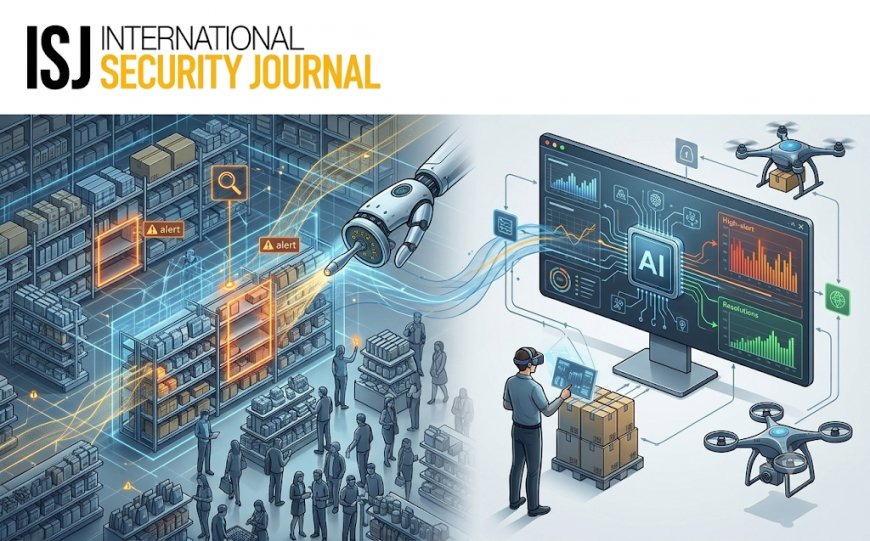
Inventory protection is one of the most challenging responsibilities in modern retail operations. From misplaced products and stock discrepancies to unauthorised access and internal theft, retailers face several risks that cannot always be identified through conventional surveillance.
Traditional CCTV systems provide valuable visual records, but recording activity does not necessarily reveal what is happening to merchandise throughout a store. A camera may capture an employee entering a stockroom without identifying whether inventory has been moved, misplaced or removed without authorisation.
This gap is encouraging retailers to explore AI retail security solutions that connect visual monitoring with inventory intelligence, helping security teams understand risks that might otherwise remain unnoticed.
Why Traditional CCTV Cannot Address Every Inventory Risk
Conventional surveillance is primarily designed to record events and provide footage for later investigation. Although this capability remains essential, it has limitations when retailers need to monitor large quantities of merchandise across multiple departments.
For instance, a stock discrepancy may be discovered during a routine inventory check several days after the original incident. Reviewing footage from an entire shift can be time-consuming, particularly when there is no clear indication of when the discrepancy occurred.
Retailers also face challenges involving restricted storage areas, product handling procedures and communication between inventory management and security departments.
AI retail security solutions can help address these limitations by analysing relevant activities and connecting security observations with operational information.
Connecting Video Analytics With Inventory Monitoring
One important development in retail protection is the integration of surveillance technology with inventory management systems.
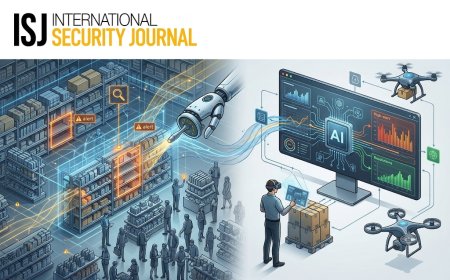
AI-powered video analytics can identify selected activities, such as product movement, access to restricted storage areas and interactions with designated merchandise locations.
When connected with suitable inventory information, these observations may help retailers investigate discrepancies more efficiently.
For example, if a high-value product is recorded leaving a designated storage area without a corresponding authorised transaction or stock movement record, the system may flag the event for review.
This does not automatically establish wrongdoing. Instead, it provides security personnel with additional information that can help them determine whether the movement was legitimate.
Identifying Unauthorised Stock Movement
Stockrooms, loading areas and merchandise transfer points are important parts of retail security planning.
Unauthorised movement can occur when inventory is transferred without appropriate documentation, removed from restricted locations or handled outside established procedures.
Intelligent monitoring can help identify activity that differs from approved operational patterns.
Potential monitoring applications include:
-
Detecting entry into restricted inventory areas.
-
Identifying unusual merchandise movement.
-
Monitoring designated stock transfer points.
-
Recording access to high-value storage locations.
-
Highlighting activity outside authorised operating periods.
Through AI retail security solutions, retailers can gain greater visibility into inventory-related activities without depending entirely on manual observation.
Understanding Internal Inventory Losses
Not every inventory discrepancy results from external theft. Internal losses can also occur because of administrative mistakes, inadequate stock controls, unauthorised handling or deliberate misconduct.
Identifying the source of these problems requires cooperation between security, operations and inventory management teams.
AI-enabled monitoring can help establish a clearer timeline of relevant activities. For example, video records may be compared with stock adjustment reports, delivery records and authorised transfer documentation.
This can reduce the time required to investigate missing merchandise.
However, retailers must ensure that investigations are fair and evidence-based. Automated alerts should never be treated as proof of employee misconduct.
Improving Protection Around High-Value Merchandise
Certain products require additional security because of their resale value, demand or vulnerability to theft.
Electronics, luxury accessories, cosmetics and specialist equipment may benefit from enhanced monitoring arrangements.
AI video analytics can help security teams observe activity around selected merchandise displays, identify unusual interactions and investigate repeated incidents.
AI retail security solutions may also support risk-based monitoring by helping retailers identify departments where recurring inventory losses have been reported.
This allows security resources to be allocated according to operational requirements rather than applying identical monitoring measures throughout every store.
Reducing the Time Required for Inventory Investigations
Investigating missing stock can involve reviewing transaction records, checking delivery documentation, speaking with employees and examining surveillance footage.
These processes can become particularly difficult when retailers operate multiple stores.
Intelligent video search and event classification can help narrow down the footage relevant to an investigation.
Instead of manually reviewing an entire day of recordings, authorised personnel may be able to locate footage associated with specific locations, time periods or recognised activities.
This can improve investigation efficiency while allowing employees to concentrate on other security responsibilities.
Integrating Retail Security With Supply Chain Operations
Inventory risks do not begin and end inside the retail store. Products move through distribution centres, delivery vehicles, receiving areas and storage facilities before reaching customers.
Weaknesses at any stage can create opportunities for losses.
Retailers can benefit from connecting selected security systems across these operational environments.
For example, monitoring delivery entrances and stock receiving areas can help verify whether merchandise movements follow established procedures.
AI retail security solutions can support this approach by bringing together relevant surveillance information and helping authorised teams identify unusual activity across different operational locations.
Integration must be carefully designed to protect sensitive information and prevent unnecessary access to business records.
Privacy, Accuracy and Responsible Monitoring
Inventory protection should not come at the expense of employee or customer privacy.
Retailers must establish clear policies explaining where surveillance operates, who can access recorded information and how long relevant footage is retained.
They should also evaluate AI systems for accuracy, reliability and potential bias.
Monitoring should focus on legitimate operational and security events rather than making assumptions about individuals.
Human review is especially important when automated systems generate alerts involving employee activity.
Preparing for the Next Generation of Inventory Protection
Retail security is moving towards greater integration between surveillance, stock management and operational intelligence.
Future developments may include more accurate product movement recognition, improved anomaly detection and automated identification of discrepancies between recorded activities and authorised stock movements.
For retailers, these technologies could help establish stronger accountability throughout inventory operations.
As discussed within the wider security industry, including coverage by International Security Journal, the relationship between physical security and operational intelligence is becoming increasingly important.
Ultimately, AI retail security solutions offer retailers an opportunity to identify inventory risks that traditional CCTV may not reveal on its own. By connecting monitoring capabilities with appropriate inventory controls, businesses can improve investigations, strengthen accountability and reduce preventable losses.
Frequently Asked Questions
1. How can AI help retailers prevent inventory theft?
AI can monitor selected merchandise movements, identify unusual activities and generate alerts that help security personnel investigate potential inventory losses.
2. Can AI surveillance identify missing stock?
AI does not automatically identify every missing item. However, when integrated with inventory records, it can help identify activities and discrepancies that may explain missing merchandise.
3. What is AI inventory monitoring?
AI inventory monitoring uses intelligent technologies to analyse stock-related activities, product movement and operational information to improve inventory visibility.
4. Can AI detect internal retail theft?
AI can identify unusual activities in designated areas and support investigations, but human verification is necessary before drawing conclusions about employee misconduct.
5. Why is integrating CCTV with inventory systems important?
Integration can help retailers compare recorded activities with authorised inventory movements, making it easier to investigate discrepancies and identify potential security weaknesses.
What's Your Reaction?
 Like
0
 Dislike
0
 Love
0
 Funny
0
 Angry
0
 Sad
0
 Wow
0