





















How Integrated Pest Management Improves Commercial Property Protection
Discover how integrated pest management protects commercial properties through inspections, pest monitoring, preventive measures, and targeted treatments.
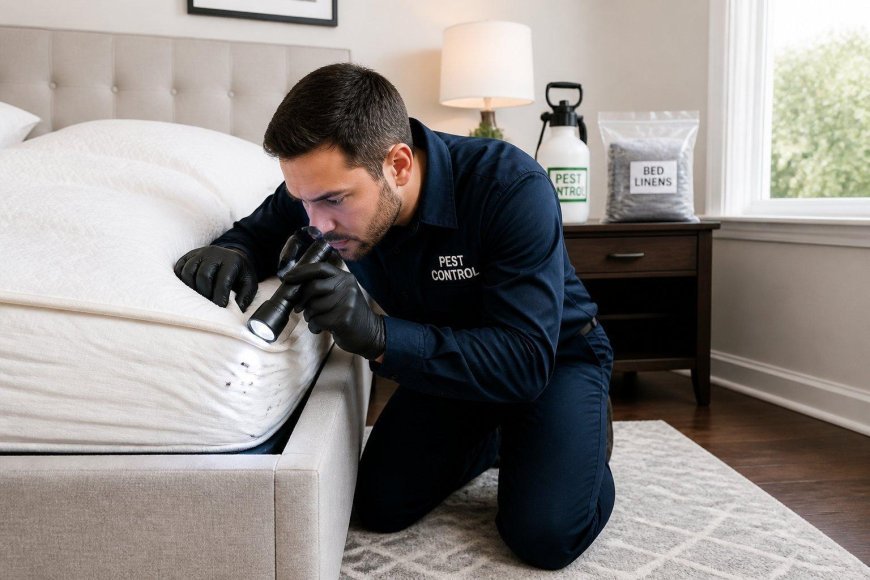
Protecting a commercial property from pests requires more than occasional treatments. Businesses need a preventive strategy that identifies pest risks, addresses their causes, and reduces the chances of recurring infestations. Integrated Pest Management (IPM) offers a practical approach by combining inspections, monitoring, sanitation, and targeted pest control methods. Even specialized solutions such as professional bed bug control services can become more effective when included in a well planned prevention program.
Whether managing an office, restaurant, warehouse, hotel, or rental property, business owners must consider how pests affect cleanliness, building conditions, employees, and customers. An IPM strategy helps property managers respond to pest activity systematically instead of waiting for visible infestations to become serious problems.
Table of Contents
-
What Is Integrated Pest Management?
-
How IPM Improves Commercial Property Protection
-
Key Components of a Successful IPM Program
-
The Role of Professional Pest Management
-
Practical IPM Strategies for Commercial Buildings
-
Conclusion
-
Frequently Asked Questions
1. What Is Integrated Pest Management?
Integrated Pest Management is a prevention focused approach that combines different methods to manage unwanted pests. Rather than depending entirely on pesticides, IPM uses pest identification, inspections, monitoring, sanitation, structural improvements, and appropriate treatments.
The main objective is to understand why pests are entering a property and what conditions allow them to survive.
For example, recurring rodent activity may indicate gaps around utility pipes or poorly maintained storage areas. Cockroach problems may be connected to moisture, food debris, and hidden spaces. Identifying these underlying conditions helps property managers select more effective solutions.
IPM is particularly useful for commercial buildings because different areas have different pest risks and operational requirements.
2. How IPM Improves Commercial Property Protection
Prevents Recurring Pest Infestations
One major advantage of IPM is its focus on addressing the source of pest problems.
Repeatedly treating visible insects without correcting moisture problems, entry points, or sanitation issues may allow infestations to return.
IPM encourages property managers to:
-
Identify potential pest entry points.
-
Remove accessible food and water sources.
-
Maintain clean storage and waste disposal areas.
-
Monitor locations where pest activity has previously occurred.
-
Correct structural conditions that encourage infestations.
These measures help create an environment that is less attractive to unwanted pests.
Protects Commercial Buildings From Structural Damage
Some pests can damage important building components. Termites feed on cellulose materials, while rodents may chew electrical wiring, insulation, and stored products.
Regular inspections and preventive maintenance help property managers identify these risks before significant damage develops.
Early intervention can also reduce unexpected repair expenses and disruptions to business operations.
Supports Workplace Hygiene and Safety
Pests can contaminate food, surfaces, and storage areas. Their presence may also create discomfort for employees and visitors.
A well managed IPM program combines sanitation, monitoring, and appropriate treatments to help maintain cleaner commercial environments.
For businesses such as restaurants, hotels, and healthcare facilities, consistent pest prevention is especially important.
Reduces Unnecessary Pesticide Applications
IPM does not eliminate pesticide use entirely. Instead, it encourages property managers to select treatments according to actual pest activity and identified risks.
Preventive methods, physical barriers, trapping, and targeted applications can reduce reliance on unnecessary chemical treatments.
This approach supports more responsible pest management while keeping people, property, and business activities in consideration.
Protects Business Reputation
Customers expect commercial properties to maintain clean and comfortable environments.
Visible rodents, cockroaches, or bed bugs can damage customer confidence and lead to complaints or negative reviews.
Routine monitoring and early reporting help businesses address problems before they become more noticeable.
3. Key Components of a Successful IPM Program
An effective IPM strategy requires several connected activities. Each component contributes to better pest prevention and long term property protection.
Regular Inspection and Pest Identification
The first step is understanding which pests are present and where they are active.
Professional inspections should cover:
-
Kitchens and food preparation areas.
-
Basements and storage rooms.
-
Waste disposal locations.
-
Building entrances and loading docks.
-
Bathrooms and plumbing areas.
-
Furniture, carpets, and upholstered spaces where appropriate.
Accurate identification matters because different pests require different control methods.
Continuous Pest Monitoring
Monitoring helps property managers understand whether pest activity is increasing, decreasing, or remaining unchanged.
Depending on the property, monitoring may include visual inspections, insect monitors, rodent traps, and other suitable devices.
Inspection records can help identify recurring problem areas and determine whether preventive measures are working.
Sanitation and Moisture Management
Clean surroundings make commercial properties less attractive to many pests.
Businesses should establish cleaning routines, remove waste regularly, secure food supplies, and repair plumbing leaks.
Moisture management is particularly important because damp conditions can attract insects and contribute to pest activity around building foundations and utility areas.
Structural Exclusion
Exclusion involves preventing pests from entering buildings.
Property managers should inspect for:
-
Cracks around foundations and walls.
-
Gaps beneath exterior doors.
-
Damaged window screens.
-
Openings around plumbing and electrical pipes.
-
Unsealed ventilation areas.
Repairing these weaknesses reduces opportunities for pests to enter and establish nesting areas.
Targeted Pest Treatments
When monitoring confirms an infestation, appropriate treatment should be selected according to the pest species, location, and severity.
Methods may include trapping, vacuuming, heat treatments, baiting, or carefully selected pesticide applications.
The treatment plan should also include follow up monitoring to evaluate its effectiveness.
4. The Role of Professional Pest Management
Although property employees can support daily prevention, established infestations may require experienced pest management professionals.
Professional providers can identify hidden pest activity, evaluate building vulnerabilities, and recommend suitable control methods.
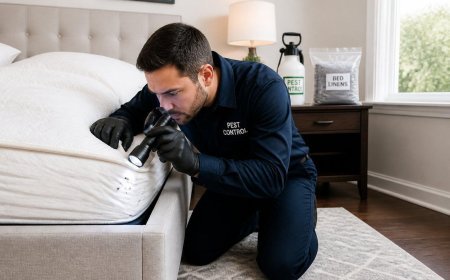
For example, bed bugs can spread through luggage, furniture, clothing, and other personal belongings. Hotels, offices, healthcare environments, and multi unit properties may need a coordinated response when bed bug activity is discovered.
Professional bed bug control services can help identify infestation areas and determine appropriate treatment options as part of a broader pest prevention strategy.
When selecting a provider, commercial property managers should consider:
-
Relevant licensing and professional qualifications.
-
Experience with commercial buildings.
-
Inspection and monitoring procedures.
-
Clear treatment recommendations.
-
Follow up services and documentation.
-
Communication with property management teams.
Choosing a qualified provider helps businesses establish a more organized approach to pest prevention.
5. Practical IPM Strategies for Commercial Buildings
IPM becomes more effective when property managers make pest prevention part of their regular maintenance routines.
The following practices can help commercial facilities reduce pest risks.
|
Area |
Recommended Prevention Measures |
|
Kitchens |
Store food properly, clean equipment, and remove waste regularly |
|
Storage Rooms |
Reduce clutter and inspect stored materials |
|
Basements |
Repair leaks and monitor potential rodent entry points |
|
Entrances |
Install suitable door sweeps and repair damaged screens |
|
Waste Areas |
Keep garbage containers covered and clean surrounding spaces |
|
Offices |
Maintain clean break rooms and report pest sightings promptly |
|
Furniture Areas |
Inspect upholstered furniture and investigate suspected bed bug activity |
Train Employees to Recognize Pest Activity
Employees often notice pest problems before management does.
Training staff to identify droppings, damaged packaging, insect activity, and unusual odors encourages early reporting.
Property managers should establish a simple reporting process so that sightings can be investigated without unnecessary delays.
Maintain Inspection and Treatment Records
Documentation is another important part of IPM.
Commercial property managers should maintain records of:
-
Inspection dates and findings.
-
Pest species identified.
-
Monitoring results.
-
Treatments performed.
-
Structural repairs and sanitation recommendations.
-
Follow up inspections.
These records help managers evaluate the program and make informed decisions about future prevention measures.
Review and Improve the Program
Pest risks can change because of seasonal conditions, building renovations, new tenants, and changes in business operations.
Property managers should periodically review inspection findings and update their prevention plans when necessary.
A successful IPM program should evolve with the building rather than rely on the same treatment schedule regardless of changing conditions.
Conclusion
Integrated Pest Management provides commercial property owners with a practical way to prevent infestations and protect their buildings over time. By combining inspections, monitoring, sanitation, structural exclusion, employee awareness, and targeted treatments, businesses can address pest problems at their source.
Whether managing an office, restaurant, warehouse, or hospitality property, a consistent IPM strategy can support better maintenance, healthier working environments, and fewer unexpected pest related disruptions.
Working with qualified pest management professionals and reviewing prevention practices regularly can help commercial properties remain cleaner, more comfortable, and better protected.
Frequently Asked Questions
1. What is Integrated Pest Management in commercial buildings?
Integrated Pest Management is a prevention focused strategy that combines inspections, monitoring, sanitation, structural improvements, and targeted treatments to manage pest activity.
2. Why is IPM important for commercial properties?
IPM helps identify pest problems early, reduce recurring infestations, protect building materials, maintain workplace hygiene, and support more responsible pesticide use.
3. Which pests can be managed through an IPM program?
IPM can address rodents, cockroaches, termites, bed bugs, ants, flies, spiders, and other common commercial pests. The methods depend on the pest species and property conditions.
4. Does Integrated Pest Management eliminate the need for pesticides?
No. IPM may include pesticides when necessary, but it prioritizes prevention, monitoring, and lower risk control options before selecting appropriate chemical treatments.
5. How often should commercial properties conduct pest inspections?
Inspection frequency depends on the building's purpose, pest history, and risk level. Restaurants, warehouses, hotels, and healthcare facilities may require more frequent monitoring.
6. Can professional pest control services support an IPM program?
Yes. Qualified pest management professionals can identify infestations, recommend suitable treatments, inspect vulnerable areas, and provide follow up monitoring to support an effective IPM strategy.
What's Your Reaction?
 Like
0
 Dislike
0
 Love
0
 Funny
0
 Angry
0
 Sad
0
 Wow
0