























Patient Caretaker vs Home Nurse: Understanding the Difference
A patient caretaker primarily assists with daily living activities and general comfort. A home nurse, on the other hand, provides clinical nursing care within their qualifications, training, and authorised scope of practice.

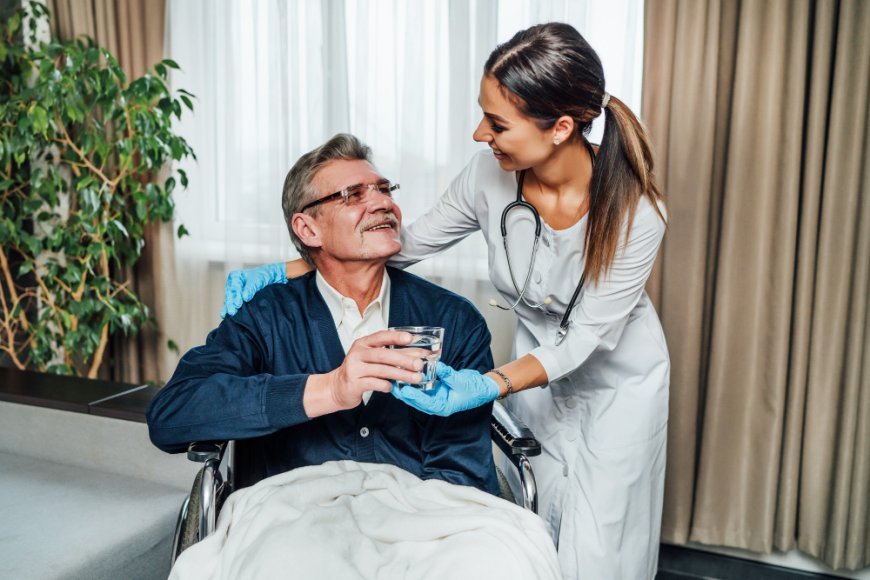
When a family member becomes ill, gets discharged from hospital, or needs assistance due to age-related difficulties, arranging the right support becomes an important decision. Some patients need help with everyday activities, while others require medical monitoring and professional nursing procedures.
This is where families often come across two roles: patient caretakers and home nurses. Although both contribute to patient well-being, their responsibilities, training, and level of medical involvement are different.
Understanding these differences helps families select care according to the patient's actual condition rather than assuming that one type of support can handle every requirement.
Two Roles, Two Different Areas of Responsibility
A patient caretaker primarily assists with daily living activities and general comfort. A home nurse, on the other hand, provides clinical nursing care within their qualifications, training, and authorised scope of practice.
The distinction becomes clearer when we look at what each professional does during a typical day.
What does a patient caretaker do?
A patient caretaker supports individuals who need assistance with routine activities because of illness, limited mobility, age, or recovery-related difficulties.
Their responsibilities may include:
-
Helping patients move around safely.
-
Assisting with bathing, dressing, and personal hygiene.
-
Providing support during meals.
-
Helping patients maintain a comfortable sitting or sleeping position.
-
Accompanying patients during routine activities.
-
Offering companionship and emotional support.
-
Informing family members about changes in the patient's daily condition.
Caretakers can make everyday life easier for patients who need regular assistance but do not necessarily require clinical nursing procedures.
What does a home nurse do?
A home nurse is a qualified nursing professional who provides medical care according to a prescribed treatment or nursing plan.
Depending on their qualifications and the patient's requirements, responsibilities may include:
-
Monitoring vital signs.
-
Administering prescribed medications through authorised routes.
-
Providing wound care.
-
Supporting post-surgical nursing requirements.
-
Maintaining clinical records.
-
Observing changes in the patient's health.
-
Communicating relevant concerns to the treating doctor.
Certain procedures require specific training and authorisation. A nurse must work within their professional scope and follow applicable clinical instructions.
A Side-by-Side Look at Their Work
Families can compare both roles across important areas before deciding which arrangement is appropriate.
|
Area of care |
Patient caretaker |
Home nurse |
|
Main focus |
Daily living assistance |
Clinical nursing care |
|
Personal hygiene |
Assistance with bathing and dressing |
May assist according to the care plan |
|
Meal support |
Helps with eating and routine feeding assistance |
Supports nutrition-related nursing instructions where required |
|
Mobility |
Helps with routine movement and transfers after appropriate instruction |
Assesses or supports mobility within nursing responsibilities |
|
Vital signs |
Reports visible concerns |
Can measure and monitor clinical indicators |
|
Medication |
May provide reminders, as agreed and legally appropriate |
Handles prescribed medication administration within authorised scope |
|
Wound care |
Does not independently perform clinical wound treatment |
Can provide wound care when qualified and authorised |
|
Health records |
May maintain daily activity notes |
Maintains relevant nursing documentation |
The exact duties can vary according to the patient's care plan, the professional's training, and local regulations.
When Does a Patient Need a Caretaker?
Not every patient who needs assistance requires continuous nursing intervention. Some individuals are medically stable but need support to manage everyday activities.
For example, an elderly person may be able to communicate clearly and follow medical instructions but experience difficulty walking, bathing, or preparing meals.
In such situations, a caretaker may provide practical support.
Common situations where caretaker support helps
Elderly individuals: Older adults with reduced mobility may need assistance with dressing, bathing, walking, and daily routines.
Patients recovering from illness: Someone who has completed the main phase of treatment may still need help with meals, movement, and personal activities.
Individuals with physical disabilities: People who experience difficulty performing everyday tasks may benefit from regular personal assistance.
Patients requiring companionship: Some individuals need someone to provide company, encourage daily routines, and communicate observations to family members.
Patient Caretaker Services can be useful in these situations, particularly when the main requirement is personal assistance rather than clinical treatment.
When Is Professional Nursing Care More Appropriate?
Some health conditions require knowledge of medical procedures, clinical observation, and structured nursing support. In such cases, a caretaker alone may not meet the patient's care requirements.
A home nurse may be needed when the treating doctor recommends professional nursing supervision or procedures.
Examples of situations requiring nursing support
-
After major surgery: Patients may need wound monitoring, prescribed medication administration, and observation during recovery.
-
Chronic health conditions: Certain patients require regular monitoring and support with prescribed treatment routines.
-
Complex medication schedules: Some treatment plans involve specific administration methods and clinical observation.
-
Medical devices: Patients using equipment such as catheters or feeding tubes may need care from appropriately trained professionals.
-
Ongoing clinical monitoring: Patients whose condition requires regular assessment may benefit from qualified nursing supervision.
The level of care should always be decided according to medical advice. Serious or unstable conditions may require hospital-based treatment rather than home support.
Can a Patient Need Both a Caretaker and a Nurse?
Yes. In some households, combining both roles can create a more complete support system.
Consider a patient recovering from surgery who needs wound care and regular clinical monitoring. A nurse may handle the prescribed nursing procedures, while a caretaker assists with bathing, meals, mobility, and other daily activities.
This division allows each professional to concentrate on their responsibilities.
A coordinated arrangement should clearly define:
-
Which tasks belong to the nurse.
-
Which activities are handled by the caretaker.
-
How changes in the patient's condition are reported.
-
Who communicates with the treating doctor.
-
How shift handovers and daily records are maintained.
Families should avoid assigning clinical procedures to someone who does not have the required training or authorisation.
Factors to Consider Before Arranging Home Care
Selecting the right professional begins with understanding the patient's current needs.
Instead of choosing based only on availability or cost, consider these factors:
1. Review the patient's medical condition
Understand the diagnosis, mobility limitations, treatment plan, and level of supervision recommended by the doctor.
2. List the required responsibilities
Write down whether the patient needs personal hygiene assistance, meal support, mobility help, medication administration, wound care, or clinical monitoring.
3. Check qualifications and experience
For nursing duties, verify relevant nursing education, registration where applicable, and experience related to the patient's condition. For caretakers, assess practical experience, patient-handling skills, and relevant training.
4. Discuss working hours
Determine whether the patient needs a few hours of assistance, daytime support, night care, or longer shifts.
5. Establish communication arrangements
Family members should know whom to contact, how updates will be shared, and what steps should be followed if the patient's condition changes.
Conclusion
Patient caretakers and home nurses both contribute to home-based patient support, but they serve different purposes. Caretakers mainly assist with personal needs, mobility, meals, and everyday comfort. Home nurses provide professional clinical care that requires nursing qualifications and appropriate training.
The right choice depends on the patient's health condition, medical instructions, and daily support requirements. In some cases, one role may be sufficient, while others benefit from a coordinated combination of both. Understanding these responsibilities helps families arrange care that is appropriate, organised, and centred on the patient's well-being.
Frequently Asked Questions
1. What is the main difference between a patient caretaker and a home nurse?
A patient caretaker mainly helps with daily living activities and personal assistance. A home nurse provides qualified clinical nursing care according to the patient's medical requirements.
2. Can a patient caretaker administer injections?
Clinical procedures such as injections should be performed only by appropriately qualified and authorised healthcare professionals. Families should follow the treating doctor's instructions.
3. Is a home nurse necessary for elderly patients?
Not always. An elderly person who mainly needs help with daily activities may require a caretaker. A nurse may be appropriate when clinical monitoring or nursing procedures are needed.
4. Can a caretaker help a patient after surgery?
A caretaker can assist with meals, mobility, personal hygiene, and everyday activities. Clinical wound care and other nursing procedures should be handled by qualified professionals.
5. How do I decide which type of home care is suitable?
Discuss the patient's condition with the treating doctor, identify the required daily and clinical responsibilities, and select a professional whose qualifications match those needs.
What's Your Reaction?
 Like
0
 Dislike
0
 Love
0
 Funny
0
 Angry
0
 Sad
0
 Wow
0