




















Resin Injection Explained: The Science Behind Windshield Chip Repair
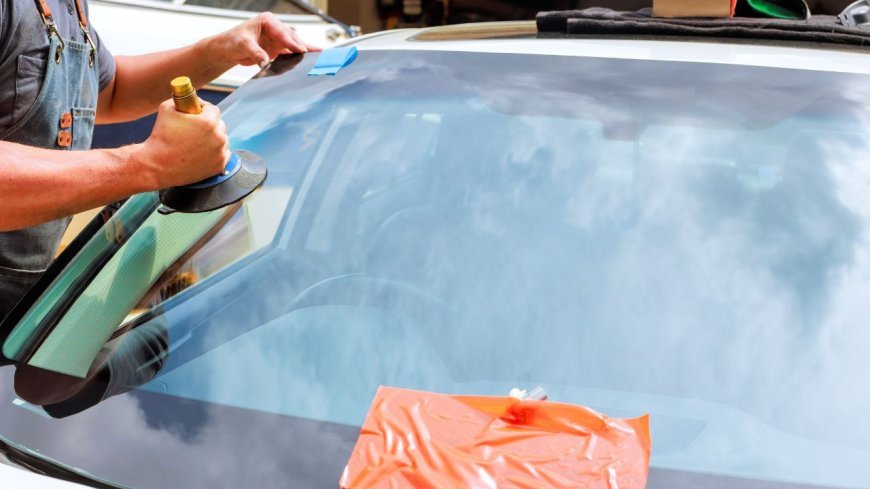
Windshield repair can look almost too simple from the outside: a small tool clamps onto the glass, a technician does something for a few minutes, and the chip is mostly gone. But the process relies on real material science, and understanding it helps explain why professional repair tends to outperform basic do-it-yourself kits.

What's Actually Happening Inside the Glass
A windshield chip or small crack isn't just a surface mark — it's a network of tiny fractures running through the laminated glass structure. Light passing through these fractures scatters in different directions, which is why damage often looks like a bright or cloudy spot rather than a clean hole. The goal of resin injection repair is to fill these internal fractures with a clear material that restores both the glass's optical clarity and much of its structural strength.
Why Air Needs to Be Removed First
Before any resin goes into the damaged area, air trapped inside the fractures needs to be pulled out. This is done using a vacuum device that attaches directly over the chip. If air remains trapped, it can prevent resin from reaching every part of the fracture network, leaving pockets that weaken the repair and remain visible after the work is done.
The Injector's Role
The injector tool serves two purposes: creating that vacuum, and then introducing resin under pressure once the air has been removed. This combination of vacuum followed by pressure is what allows the resin to flow into fine cracks that would otherwise be nearly impossible to fill.
What Makes Windshield Repair Resin Different
The resin used in professional windshield repair isn't the same as a generic adhesive. It's formulated specifically to have a refractive index close to that of windshield glass, which is part of why a properly repaired chip becomes much less visible — the resin bends light in a similar way to the surrounding glass rather than standing out as an obvious patch.
The resin also needs the right viscosity: thin enough to flow into narrow fractures, but stable enough to stay in place and cure properly once it's there.
The Role of UV Curing
Once resin has filled the damaged area, it needs to harden. Many windshield repair resins are cured using ultraviolet light, which triggers a chemical reaction that solidifies the material. Curing time can vary depending on resin formulation, the size of the repair, and ambient conditions, but this step is essential — resin that hasn't fully cured may remain softer than intended and more vulnerable to further damage.
Why DIY Kits Often Fall Short
Store-bought repair kits use similar basic principles, but typically lack the vacuum strength, resin quality, and curing equipment used in professional settings. Without a strong vacuum, trapped air is more likely to remain inside the fracture, and the resin in consumer kits is often a more generic formulation not optimized specifically for windshield glass. The result can be a repair that looks less refined and may not hold up as well over time.
Limits of What Resin Injection Can Fix
It's worth being realistic: resin injection repair works best on smaller chips and shorter cracks. Larger or more complex damage may be structurally compromised beyond what resin can restore, which is why assessment before treatment is such an important part of the process. Not every type of damage is a suitable candidate for this technique.
How Temperature Affects the Process
Resin viscosity and curing behavior are both sensitive to temperature, which matters quite a bit in a climate like Calgary's. In colder conditions, resin can thicken and flow more slowly into fine fractures, sometimes requiring adjustments to technique or additional time to achieve a full fill. UV curing can also take longer in cold weather, since the chemical reaction that hardens the resin is temperature-dependent. Technicians working in regions with significant seasonal temperature swings often need to account for these variables more carefully than they would in a consistently mild climate.
Why Fracture Patterns Vary So Much
Not all chips fracture the same way internally, even when they look similar on the surface. Some create a fairly simple, contained break, while others produce a more complex web of micro-fractures radiating outward. This is part of why two seemingly similar chips can respond differently to the same repair technique — the internal structure of the damage, not just its surface appearance, determines how well resin can fill it.
Why the Process Matters When Choosing a Provider
Understanding what's actually happening during resin injection makes it easier to see why the equipment and expertise behind windshield repair services make a real difference in the outcome. The science behind the repair — vacuum pressure, resin formulation, and proper curing — is what separates a repair that holds up for years from one that doesn't.
Final Thoughts
Resin injection repair is a genuinely technical process built on real material science, not just a cosmetic quick fix. From vacuum extraction to resin formulation to UV curing, each stage plays a specific role in restoring a damaged windshield's clarity and strength — which is exactly why professional execution matters.
What's Your Reaction?
 Like
0
 Dislike
0
 Love
0
 Funny
0
 Angry
0
 Sad
0
 Wow
0