


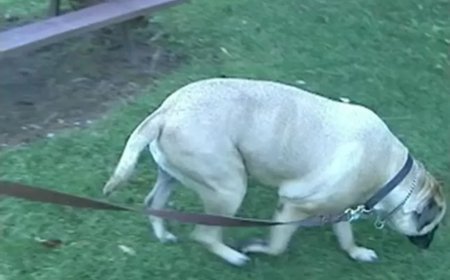




















Advice on Collecting a Urine Sample From a Female Dog
Learn how to collect a urine sample from a female dog, choose the right container, store it safely, and prepare it for veterinary testing.

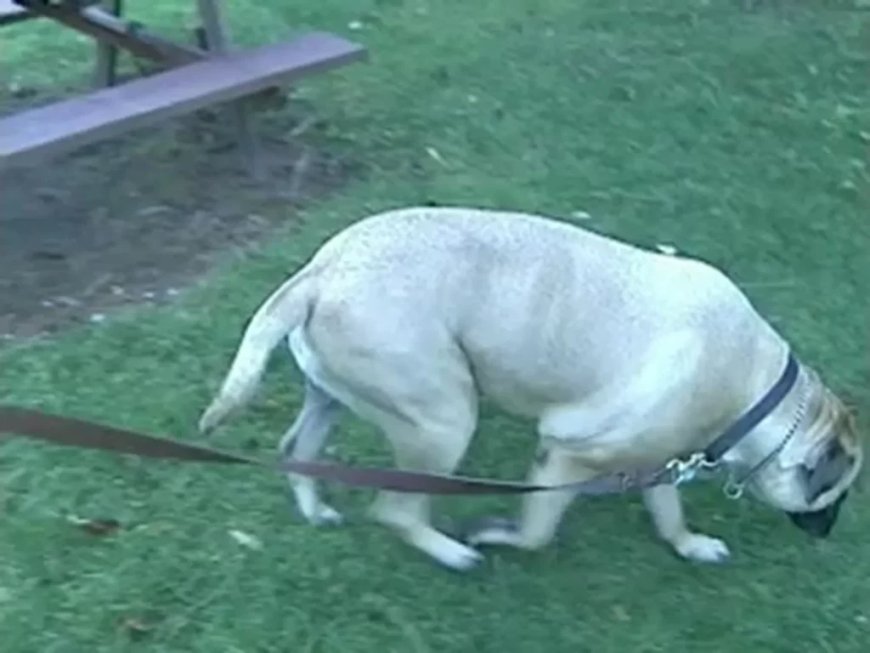
Collecting a urine sample from a female dog can be a little tricky, especially if she is shy, easily distracted, or uncomfortable with someone approaching her while she urinates. However, with the right preparation and a little patience, most owners can collect a sample at home without causing their dog unnecessary stress. A clean sample can help your veterinarian investigate urinary tract infections, bladder problems, kidney conditions, and other health concerns.
If your veterinarian has asked you to bring in a sample, knowing How to Collect a Dog Urine Sample can help you prepare the right container, choose an appropriate time, and handle the sample correctly. The collection method and timing matter because contamination or delays in delivery may affect how accurately the laboratory can interpret the results.
Why Might Your Veterinarian Need a Urine Sample?
Veterinarians use urine testing to investigate a range of health concerns. A sample may be requested if your dog is urinating more frequently than usual, having accidents indoors, straining to urinate, drinking more water, or passing urine with an unusual colour or smell.
Urinalysis can provide information about urine concentration, blood, glucose, protein, and other substances. If a urinary tract infection is suspected, your veterinarian may also recommend a urine culture to identify bacteria and determine which antibiotics are likely to work.
The type of sample required depends on the reason for testing. A sample collected at home may be suitable for some tests, while others require a more controlled collection method at the veterinary clinic. Always confirm what your veterinarian needs before collecting it.
1. Choose the Right Time to Collect the Sample
Timing can make urine collection easier. Many owners find the first urination in the morning convenient because the dog is ready to relieve herself after the night.
However, the best collection time depends on the test your veterinarian has requested. Some tests require a sample collected at a particular time, so confirm the instructions before starting.
Take your dog to her usual outdoor toilet area and allow her to sniff around as she normally would. Keeping the routine familiar can help her relax and urinate naturally.
2. Prepare a Clean, Shallow Collection Container
Female dogs usually squat when urinating, which can make collecting a sample more difficult than it is with some male dogs. A clean, shallow container, such as a small tray or pie plate, can make the task easier.
You can use a container provided by your veterinary clinic or another suitable container that has been thoroughly washed, rinsed, and dried. Avoid containers that may leave behind food residue, grease, detergent, or other substances that could affect the test.
Have a separate, clean, leakproof sample pot ready for storing the urine after collection. Wearing disposable gloves is optional but can help keep your hands clean.
3. Approach Your Dog Calmly
Dogs can be sensitive to sudden movements, particularly when they are relieving themselves. If you rush towards your dog with a container, she may stop urinating or move away.
Keep her on a leash in a familiar outdoor area so you can stay close enough to collect the sample. Wait until she begins to squat and starts urinating before gently moving the collection container underneath her.
Approach from behind or slightly to the side, depending on what is easiest and safest. Avoid touching her body with the container, as this may interrupt the flow.
If she becomes uncomfortable, give her space and try again later rather than repeatedly startling her.
4. Collect a Midstream Sample When Possible
For many routine urine tests, a midstream sample is a practical choice. Allow the first small amount of urine to pass, then move the container into the stream to catch the sample.
The first portion may pick up some debris or material from the urinary opening and surrounding area. Collecting urine partway through urination can help reduce some of this contamination, although a home-collected sample is not sterile.
Ask your veterinarian how much urine is needed. You may not need to collect a full container, and a small amount may be sufficient for certain tests. Do not combine urine from several separate bathroom trips unless your veterinarian specifically instructs you to do so.
5. Transfer the Urine Into a Suitable Sample Pot
Once you have collected the urine, carefully transfer it into the clean sample pot if you used a separate collection tray. Close the lid securely to prevent leakage or contamination.
Avoid touching the inside of the container or its lid. Do not filter the urine through cloth, tissue, or other materials, as this can alter the sample or introduce contaminants.
If your veterinary clinic provides a collection kit, follow its instructions. Different laboratory tests may have different container requirements, so it is best not to assume that every container is suitable for every test.
6. Label the Sample Clearly
Before leaving home, label the container with your dog's name and the date and time the urine was collected.
This information helps the veterinary team assess how fresh the sample is and interpret the results appropriately. If you noticed anything unusual about the collection, such as dirt entering the container or the sample being collected from the floor, let the clinic know.
Do not hide a collection difficulty or assume that a questionable sample is unusable. Your veterinarian can decide whether it is suitable for the requested test.
7. Deliver the Sample as Soon as Possible
Fresh urine generally provides the most useful results. Ideally, take the sample to your veterinary clinic promptly after collection.
If you cannot deliver it immediately, contact the clinic for storage instructions. Refrigeration is commonly recommended for delays, but the acceptable storage period depends on the test and the collection method. Do not freeze the sample unless your veterinarian or laboratory specifically instructs you to do so.
When transporting the sample, keep the lid tightly closed and place the container in a sealed bag to prevent spills.
8. Know When a Home-Collected Sample May Not Be Enough
A sample collected while your dog urinates naturally is often called a free-catch sample. It can be useful for routine urinalysis, but it may contain bacteria or other material from the skin, genital area, or environment.
If your veterinarian suspects a urinary tract infection and needs a urine culture, a sample collected directly from the bladder using a sterile veterinary technique may be more appropriate. The clinic will determine which collection method is best for the investigation.
Never attempt to insert a catheter or extract urine directly from your dog's bladder at home.
9. Contact Your Veterinarian if You Cannot Collect a Sample
Not every dog will cooperate with home collection. Your dog may stop urinating when you approach, become distracted, or simply refuse to go while you are holding the container.
If you have tried a few times without success, do not turn the process into a struggle. Contact your veterinary clinic and explain the difficulty. The team may offer a collection container, recommend a different technique, or arrange to collect the sample at the hospital.
More importantly, do not delay veterinary care just because you cannot obtain a sample at home. If your dog is repeatedly straining to urinate, passing only small drops, showing obvious pain, or producing little or no urine, seek prompt veterinary advice. Inability to pass urine can be an emergency.
Final Advice
Collecting a urine sample from a female dog takes preparation, patience, and careful handling. A clean, shallow container, a calm approach, and prompt delivery can make the process easier while helping preserve sample quality.
Before collecting the sample, confirm the required timing, amount, container, and storage instructions with your veterinarian. If you cannot collect it successfully, your clinic can explain the alternatives. The goal is to obtain a useful sample without causing your dog unnecessary stress or delaying the care she needs.
What's Your Reaction?
 Like
0
 Dislike
0
 Love
0
 Funny
0
 Angry
0
 Sad
0
 Wow
0