
























How to Design a Unique Fursona That Stands Out in the Furry Community
Designing a recognizable fursona requires thoughtful decisions about species, facial features, colours, markings, and accessories. Instead of following popular designs too closely, creators can experiment with different elements to develop a character that reflects their imagination.

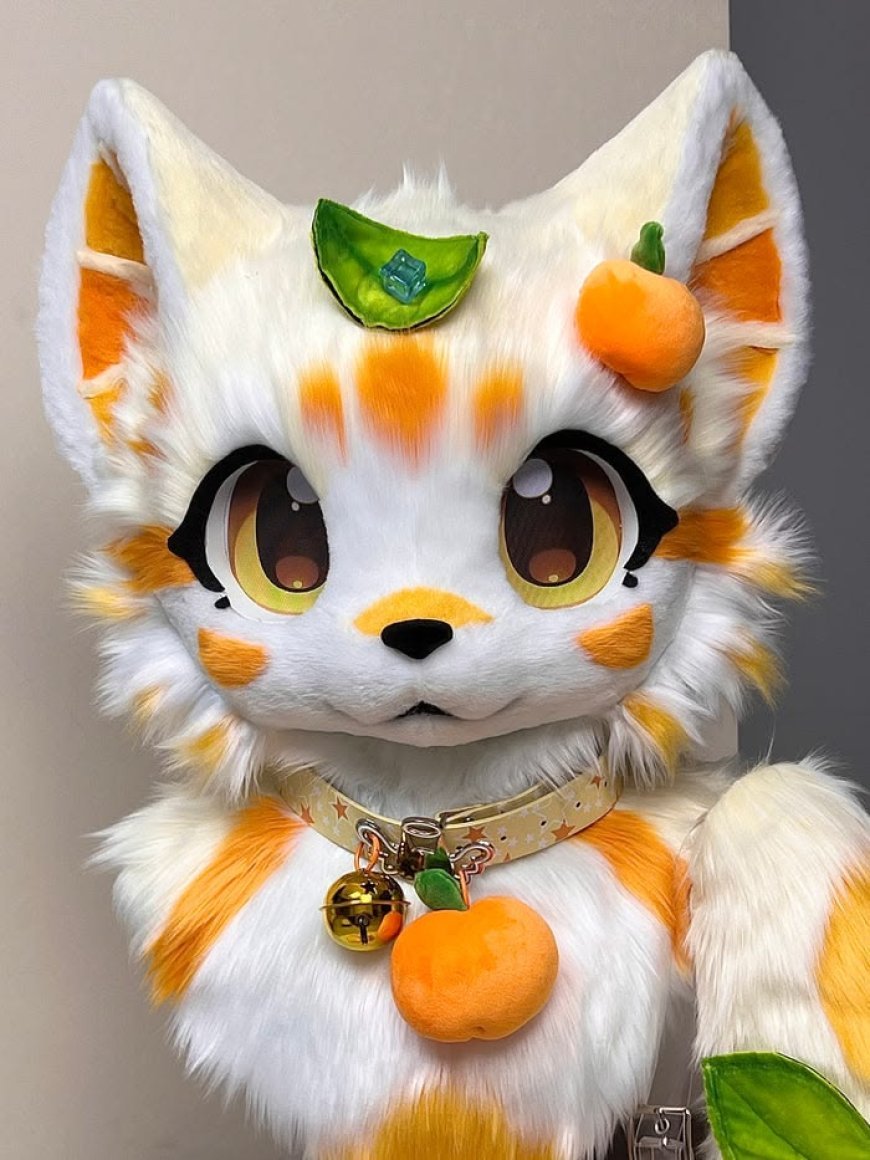
Creating a fursona is an exciting way to express creativity and develop a character that represents your personal style. A fursona is more than an animal-inspired character; it can have its own personality, appearance, colour palette, and individual identity. Whether someone prefers a cute fox, a mysterious wolf, or an imaginative fantasy creature, the goal is to create a character that feels original and memorable. Kemonofursuits explores custom kemono-style character creations that help bring unique furry designs to life.
Designing a recognizable fursona requires thoughtful decisions about species, facial features, colours, markings, and accessories. Instead of following popular designs too closely, creators can experiment with different elements to develop a character that reflects their imagination.
1. Choose an Animal Species That Reflects Your Character
The first step in designing a unique fursona is choosing an animal species. Your selected species can influence the character's physical features, personality, and overall appearance.
Popular choices include wolves, foxes, cats, rabbits, dragons, and other imaginative creatures. Each animal offers different design possibilities. For example, foxes can have distinctive ears and fluffy tails, while rabbits can feature long ears and softer facial proportions.
However, choosing a popular animal does not mean your character has to look ordinary. You can introduce unusual features, combine visual influences, or develop a personality that makes your character different.
Some creators also choose hybrid species that combine characteristics from two or more animals. This approach provides additional creative opportunities, although the design should remain visually consistent and recognizable.
Before finalizing your choice, consider which animal best represents the character you want to create.
2. Develop a Personality Before Choosing Visual Details
A memorable fursona should have an identity beyond its physical appearance. Developing a personality can help guide important design decisions and make the character feel more complete.
Think about how your character behaves, communicates, and interacts with others. Is the character playful, adventurous, shy, confident, mysterious, or friendly?
Personality can influence visual elements in several ways. A cheerful character might have bright eyes, soft colours, and an expressive smile. A mysterious character could feature darker shades, unusual markings, and a more subtle facial expression.
You can also develop a short character background. Consider the character's interests, environment, habits, and personal characteristics.
These details do not necessarily need to appear directly in the costume. However, they can provide inspiration when selecting facial expressions, accessories, and overall styling.
3. Create a Distinctive Colour Palette
Colour selection plays a major role in making a fursona recognizable. A thoughtful colour palette can give your character a consistent appearance and distinguish it from similar designs.
Start by choosing one or two primary colours. These will usually cover the largest areas of the character's body. Next, select secondary colours for facial markings, ears, paws, and other details.
You can experiment with different combinations, such as:
-
Pastel pink, lavender, and white for a soft appearance.
-
Dark blue, silver, and black for a mysterious style.
-
Orange, cream, and brown for a natural animal-inspired design.
-
Turquoise, purple, and light grey for a fantasy-inspired character.
Consider colour contrast when planning the design. Colours that complement one another can create a balanced appearance, while carefully selected contrasting shades can highlight important features.
It is also useful to create a colour reference sheet so that the same shades can be used consistently in future artwork and custom costume production.
4. Add Unique Markings and Character Features
Distinctive markings can help make a fursona recognizable even when its general species and colour palette are similar to other characters.
Think about patterns that could become part of your character's identity. These might include stripes, spots, facial patches, unusual gradients, or symmetrical patterns.
You can also experiment with distinctive features such as:
-
Different colours on each ear.
-
Unique patterns around the eyes.
-
Special markings across the cheeks.
-
Contrasting colours on the paws and tail.
-
Decorative patterns on the chest or back.
The key is to create a design that looks intentional rather than overcrowded. Too many unrelated patterns can make the character difficult to recognize.
Choose a few distinctive features and repeat them in suitable areas to establish a consistent visual identity.
5. Design Expressive Facial Features
The face is often the most noticeable part of a fursona, especially when the character is eventually transformed into a wearable costume.
Eye shape, muzzle proportions, ear placement, and facial expressions all contribute to the character's personality.
For example, large rounded eyes can create a friendly appearance, while narrower eye shapes may give the character a more serious expression. Different muzzle shapes can also help distinguish between species and individual character styles.
Kemono-inspired designs often feature expressive anime-style eyes, rounded facial structures, and carefully arranged facial details.
When developing your character, consider how its face will look from different angles. A design that appears attractive in a front-facing illustration should also have consistent proportions when viewed from the side.
6. Explore Creative Fursona Design Ideas
Originality does not always require completely unusual character features. Sometimes, combining familiar elements in a thoughtful way is enough to develop a memorable design.
For example, a wolf character could have an unusual pastel colour palette, while a rabbit might feature fantasy-inspired markings or distinctive accessories.
Exploring unique fursona design ideas can help creators discover new approaches to colours, species combinations, facial details, and character styling.
You can also take inspiration from different creative sources, such as nature, fantasy artwork, mythology, fashion, and fictional environments. The important thing is to transform inspiration into an original design rather than directly copying another artist's character.
Keeping a collection of sketches and visual references can make experimentation easier. You can compare different versions of your character and select the features that work best together.
7. Choose Accessories That Support Character Identity
Accessories can add personality and visual interest to a fursona. Items such as collars, bows, scarves, clothing, badges, and decorative elements can help establish the character's individual style.
However, accessories should complement the main design rather than distract from it.
Consider which items make sense for your character's personality and background. An adventurous character might have a small backpack, while a fashionable character could feature distinctive clothing or decorative accessories.
It is also important to consider how accessories will translate into a physical costume. Large or complex items may require additional planning when creating a wearable design.
A few carefully selected details can often make a stronger impression than adding too many accessories.
8. Prepare a Character Reference Sheet
Once your main design is ready, organize the important details into a character reference sheet.
A useful reference sheet can include front, side, and back views of your fursona. It should also identify the primary colours, secondary shades, facial patterns, and distinctive physical features.
Include close-up illustrations when certain details need additional explanation. For example, facial markings, eye designs, and unusual accessories may benefit from separate views.
Written notes can also help explain small design elements that may not be immediately clear from the artwork.
A detailed reference sheet is particularly useful when working with a professional artist or fursuit maker because it provides a clear visual guide for recreating the character accurately.
9. Turn Your Fursona into a Wearable Character
After completing the character design, you may decide to transform your fursona into a custom fursuit. This process involves adapting the original artwork to practical costume construction.
Not every illustrated detail will translate directly into a physical costume. Some features may need adjustments to accommodate materials, proportions, visibility, and comfort.
For a kemono-style fursuit, expressive eyes, rounded cheeks, distinctive ears, and carefully placed fur markings can help preserve the character's original appearance.
Before commissioning the costume, discuss the reference sheet, preferred materials, customization options, production expectations, and budget with the maker.
Clear communication helps ensure that important character details are understood before construction begins.
Conclusion
Designing a unique fursona is a creative process that combines imagination, personal expression, and thoughtful visual planning. Choosing the right species, developing a personality, selecting complementary colours, and creating distinctive markings can help establish a character with its own identity.
Expressive facial features, meaningful accessories, and a detailed reference sheet can further strengthen the design. Whether you are creating your first original character or developing an existing fursona, taking time to refine these details can make the result more recognizable and memorable.
With careful planning and creative experimentation, your fursona can become a distinctive character that reflects your individual artistic vision and can eventually be transformed into a custom kemono fursuit.
What's Your Reaction?
 Like
0
 Dislike
0
 Love
0
 Funny
0
 Angry
0
 Sad
0
 Wow
0