





















What Common Mistakes Should Businesses Avoid When Planning Events?
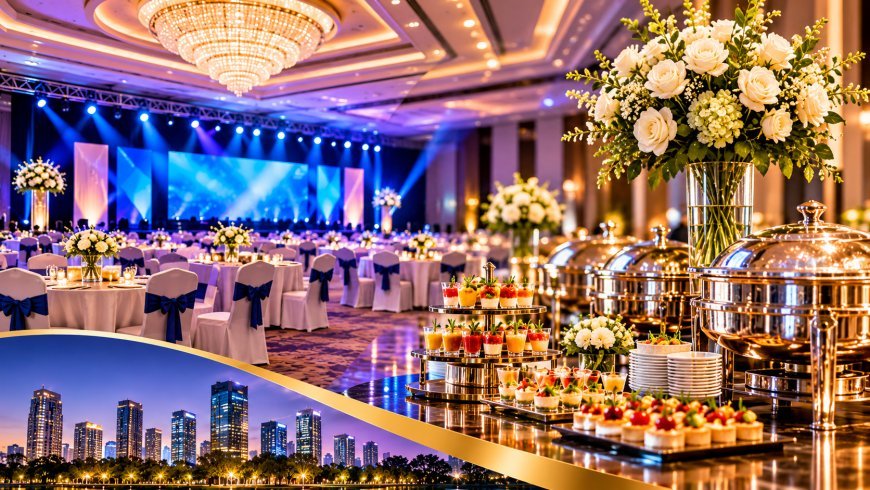
Corporate events play an important role in building business relationships, connecting employees, welcoming clients, and celebrating company achievements. Whether it is a conference, product launch, annual celebration, business meeting, or networking event, proper planning is necessary for a successful experience. However, organizing a corporate event involves several responsibilities, including venue selection, budgeting, catering, guest management, technical arrangements, and vendor coordination. Even small mistakes can create confusion and affect the overall event experience.
Hiring a professional corporate event company in gurgaon can help businesses avoid common planning challenges. Experienced event professionals understand how to manage different arrangements, coordinate service providers, and maintain event schedules. With proper planning and support from Eventyzo, businesses can reduce last-minute problems, manage expenses, and organize professional events that meet their objectives.
1. Not Defining the Purpose of the Event
One common mistake businesses make is starting preparations without clearly identifying the event's purpose. Every corporate event should have a specific objective, such as launching a product, training employees, building professional relationships, or celebrating company achievements.
Without a clear purpose, businesses may struggle to select the right venue, activities, and event format.
How to avoid this mistake:
-
Identify the main objective before starting preparations.
-
Understand the target audience.
-
Decide what outcomes the business expects.
-
Select activities that support the event's purpose.
A clear objective provides direction and makes the planning process more organized.
2. Choosing an Unsuitable Venue
The venue directly affects the comfort and experience of attendees. Selecting a location without considering guest numbers, accessibility, facilities, and available space can create unnecessary difficulties.
For example, a small venue may feel overcrowded, while a large venue may increase expenses without adding value.
Before booking a location, consider:
-
Expected number of attendees.
-
Parking and transportation facilities.
-
Seating capacity and layout.
-
Audio and visual equipment.
-
Catering and refreshment facilities.
-
Location accessibility.
Visiting the venue beforehand can help businesses identify potential problems and make better decisions.
3. Ignoring the Event Budget
Poor budget management is another common challenge in corporate event planning. Businesses sometimes focus only on major expenses and forget smaller costs such as transportation, technical equipment, additional staff, and decoration changes.
These unexpected expenses can increase the overall event cost.
How to avoid this mistake:
Prepare a detailed budget covering venue booking, catering, decoration, entertainment, equipment, transportation, and other services. Compare different service providers and keep a reasonable amount aside for unexpected expenses.
A well-planned budget helps businesses control spending while maintaining event quality.
4. Poor Guest List and Invitation Management
Invitations and guest management require proper attention. Sending invitations late, sharing incomplete information, or failing to confirm attendance can create confusion.
Businesses may also face problems arranging seating, food, and event materials when the final guest count is unclear.
To manage this effectively, prepare the guest list in advance and send invitations with complete event details. Include the date, time, venue address, and registration information. Follow up with invited guests to estimate attendance.
Proper guest management helps organizers prepare suitable arrangements and welcome attendees professionally.
5. Not Planning Catering Arrangements Properly
Food is an important part of corporate gatherings. Poor menu selection, insufficient food quantities, delayed serving, or limited options can affect guest satisfaction.
For example, a full-day conference may require breakfast, lunch, tea, coffee, and evening refreshments. If food arrangements are not planned according to the event schedule, attendees may face inconvenience.
How to avoid this mistake:
-
Estimate food quantities according to guest numbers.
-
Select menus based on the event type.
-
Include suitable vegetarian and non-vegetarian options.
-
Consider special dietary requirements.
-
Arrange sufficient serving staff.
-
Coordinate food service with event timings.
Proper catering arrangements help create a comfortable experience for employees, clients, and business partners.
6. Ignoring Decoration and Event Setup
Corporate event decoration should reflect the company's identity and the purpose of the occasion. Some businesses either overlook decoration completely or choose arrangements that do not match their event theme.
A poorly arranged stage, inappropriate lighting, or unorganized seating can affect the professional appearance of the venue.
To avoid these issues, select a suitable decoration theme and coordinate stage design, seating, lighting, branding elements, and entrance arrangements. Keep the setup professional, attractive, and comfortable for attendees.
7. Poor Coordination Between Vendors
Corporate events often involve multiple service providers, including decorators, caterers, photographers, entertainers, transportation teams, and technical staff. When these vendors do not communicate properly, delays and misunderstandings can occur.
For example, a delayed stage setup may affect rehearsals, while late catering arrangements may disturb the event schedule.
Working with the best event planner in gurgaon can help businesses coordinate different vendors and responsibilities. A professional planner can manage service providers, monitor progress, communicate requirements, and ensure that important arrangements are completed on time.
8. Forgetting Technical Equipment and Backup Plans
Technical problems can interrupt important corporate activities. Microphone failures, projector issues, poor internet connectivity, and sound system problems can affect presentations, conferences, and product demonstrations.
Businesses should test all equipment before the event begins. Check microphones, speakers, screens, projectors, lighting, and internet connections. Keep backup equipment available wherever possible.
It is also useful to have technical staff present during the event so problems can be resolved quickly without disturbing attendees.
9. Creating an Unrealistic Event Schedule
A poorly planned schedule can make an event confusing and tiring. Too many activities, insufficient breaks, or delayed sessions may affect guest participation.
Prepare a realistic timeline covering guest arrival, registration, opening speeches, presentations, refreshments, entertainment, and closing activities.
Share the schedule with speakers, vendors, and event staff beforehand. Allow some flexibility for unexpected delays and changes. This helps maintain a smooth flow throughout the event.
10. Not Collecting Feedback After the Event
Many businesses consider their work complete once the event ends. However, ignoring guest feedback means missing opportunities to improve future events.
Attendees can provide useful opinions about venue arrangements, food quality, event activities, technical facilities, and overall organization.
Use simple feedback forms or direct conversations to understand what worked well and what needs improvement. Reviewing this information helps businesses make better decisions for upcoming corporate gatherings.
Conclusion
Planning a successful corporate event requires attention to several details, including budgeting, venue selection, catering, guest management, vendor coordination, technical arrangements, and scheduling. Ignoring these responsibilities can lead to unnecessary expenses, delays, and an uncomfortable experience for attendees.
Choosing a reliable corporate event company in gurgaon can make the planning process easier through professional coordination and organized execution. Eventyzo helps businesses manage corporate meetings, conferences, product launches, employee gatherings, decoration, catering, and other event requirements. With proper preparation and attention to detail, businesses can avoid common mistakes and create well-managed corporate events that leave a positive impression on their guests.
What's Your Reaction?
 Like
0
 Dislike
0
 Love
0
 Funny
0
 Angry
0
 Sad
0
 Wow
0