























What Happens During a Dental Veneers Consultation?
Learn what happens during a Dental Veneers in Islamabad consultation, from oral health checks and shade selection to treatment planning and alternatives.
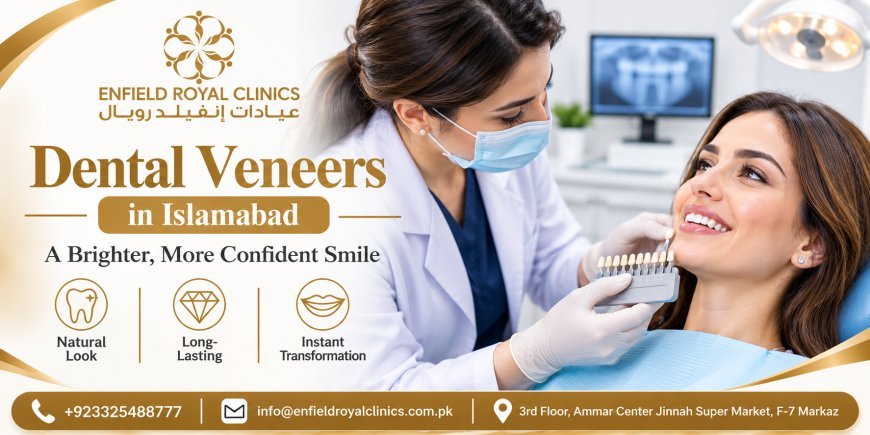
A beautiful smile often begins with a proper dental assessment. People who feel concerned about stained, chipped, uneven, or poorly shaped teeth may consider veneers to improve their appearance. However, before starting treatment, a consultation is an important step. It helps determine whether veneers are suitable, which materials may work best, and what results can realistically be expected.
A Dental Veneers in Islamabad consultation is more than a simple discussion about improving tooth appearance. It involves examining oral health, understanding the patient's concerns, reviewing available treatment options, and planning a restoration that complements the natural smile. It also gives patients an opportunity to ask questions and understand the procedure before making a decision.
Knowing what happens during this appointment can make the process feel more comfortable and help patients prepare for their treatment journey.
1. Discussing Smile Concerns and Treatment Expectations
The consultation usually begins with a conversation about the patient's dental concerns and desired results. Some people want to cover stubborn stains, while others are interested in improving small gaps, chipped edges, uneven tooth shapes, or worn enamel.
The dentist may ask questions such as:
-
Which teeth does the patient want to improve?
-
Is the main concern tooth colour, shape, size, or alignment?
-
Has the patient previously received cosmetic dental treatment?
-
Does the patient experience sensitivity or discomfort?
-
Are there habits such as teeth grinding or nail biting?
-
Does the patient prefer a subtle smile improvement or a brighter appearance?
These questions help establish realistic expectations. Veneers can improve the visible surfaces of selected teeth, but they cannot correct every dental problem. For example, significant crowding may require orthodontic treatment, while extensive tooth damage may need crowns or other restorative procedures.
A clear discussion at the beginning helps ensure that the proposed treatment matches the patient's needs rather than focusing only on cosmetic preferences.
2. Examining Teeth and Gum Health
A detailed examination is one of the most important parts of a veneer consultation. Before recommending cosmetic treatment, the dentist needs to confirm that the teeth and gums are healthy enough to support the restorations.
The examination may include checking:
-
Tooth enamel and remaining natural tooth structure.
-
Existing fillings, chips, cracks, and signs of wear.
-
Cavities or areas of decay.
-
Gum health and signs of inflammation.
-
Tooth alignment and spacing.
-
The way the upper and lower teeth meet when biting.
-
Signs of clenching or grinding.
Healthy enamel is particularly important because traditional veneers are usually bonded to the prepared tooth surface. If a tooth has extensive decay, a deep fracture, or insufficient supporting structure, a veneer may not be the right choice.
If gum disease or cavities are identified, these problems generally need treatment before cosmetic work begins. This approach helps protect the natural teeth and supports better long-term results.
3. Dental Scans, X-Rays, and Smile Assessment
Depending on the patient's condition, the consultation may include diagnostic imaging or digital records. These tools help the dentist understand the teeth more clearly and plan treatment accurately.
Dental X-rays may be recommended when there are concerns about hidden decay, tooth roots, previous dental work, or other problems that cannot be assessed through a visual examination alone. Digital scans or traditional impressions may also be used to record tooth shapes and positions.
Photographs can help document the existing smile and support treatment planning. In some cases, digital smile design tools may be used to demonstrate possible changes in tooth shape, length, or proportions.
These records are not necessarily required for every patient. Their use depends on the complexity of the case and the information needed to make a safe recommendation.
The goal is to understand the patient's dental condition before deciding how veneers should be designed and placed.
4. Choosing the Right Veneer Material and Shade
Another important part of a Dental Veneers in Islamabad consultation is discussing the available materials. The most common choices include porcelain and composite resin. Each has different characteristics, and the appropriate option depends on the patient's goals and dental condition.
Porcelain veneers are custom-made restorations known for their natural appearance and resistance to staining. Their light-reflecting qualities can help them resemble natural enamel. They commonly last around 10–15 years or longer, although their lifespan varies with care and individual circumstances.
Composite veneers are made using tooth-coloured resin. They may be shaped directly onto the teeth or prepared separately, depending on the technique. They can be suitable for selected cosmetic improvements and may be easier to repair in some situations. However, they generally stain and wear more readily than porcelain. Their lifespan often ranges around 5–7 years, depending on maintenance and other factors.
Shade selection is equally important. A very bright shade may not suit every person or blend naturally with surrounding teeth. The dentist considers skin tone, existing tooth colour, facial features, and patient preferences when discussing the desired appearance.
The aim is to select a material and shade that provide a natural, balanced result rather than an artificial-looking smile.
5. Understanding Tooth Preparation and Treatment Steps
During the consultation, the dentist explains how the veneer procedure works and whether tooth preparation will be necessary.
Traditional porcelain veneers usually require a small amount of enamel to be removed from the front surface of the teeth. This creates enough room for the restoration and helps it fit without looking bulky. Because enamel does not grow back, this process is generally irreversible.
Some patients may qualify for minimal-preparation or no-preparation veneers. However, these options are only appropriate in selected cases. Placing a veneer without enough space can make the tooth appear too thick or affect the bite.
The dentist may explain the expected treatment stages, including:
-
Preparing the selected teeth, if required.
-
Taking impressions or digital scans.
-
Creating custom veneers.
-
Using temporary veneers when appropriate.
-
Checking the final fit, colour, and shape.
-
Bonding the restorations and adjusting the bite.
The number of appointments depends on the material, laboratory process, and complexity of the treatment.
6. Reviewing Suitability, Risks, and Alternatives
A responsible consultation also includes an honest discussion about limitations and possible risks. Veneers can improve cosmetic concerns, but they do not prevent tooth decay, treat gum disease, or physically move teeth into a new position.
Some patients may experience temporary sensitivity after tooth preparation or placement. Veneers can also chip, crack, loosen, or require replacement over time. Patients who grind their teeth may face a higher risk of damage and could need a night guard.
The dentist may recommend alternatives when veneers are not the most suitable option:
-
Teeth whitening: May be preferable for general surface stains.
-
Dental bonding: Can repair small chips with minimal tooth alteration in suitable cases.
-
Orthodontic treatment: May be better for significant crowding or alignment problems.
-
Dental crowns: Can provide more coverage and protection for extensively damaged teeth.
Understanding these options helps patients make an informed decision. The best treatment is not necessarily the most extensive cosmetic procedure; it is the one that addresses the dental concern while preserving healthy tooth structure whenever possible.
7. Asking Questions and Planning the Next Step
The consultation should leave enough time for patients to discuss concerns and understand what comes next. A patient considering veneers may want to ask about preparation, expected results, material differences, maintenance, and possible future repairs.
Useful questions include:
-
How many teeth may need veneers?
-
Is enamel removal necessary?
-
Which material is suitable for the patient's teeth?
-
How long will the treatment process take?
-
Will temporary veneers be needed?
-
What care will be required after placement?
-
Are there any alternatives that preserve more natural tooth structure?
The dentist should explain the proposed plan in clear language, including its benefits, limitations, and expected maintenance. Patients should have time to consider the information before agreeing to treatment.
A consultation does not mean that veneers must be placed immediately. It is an opportunity to understand the options and decide whether the procedure is appropriate.
Frequently Asked Questions
1. How long does a dental veneers consultation take?
The appointment length varies depending on the patient's dental condition and the level of assessment required. A straightforward consultation may be relatively short, while cases requiring scans, X-rays, or detailed smile planning may take longer.
2. Are X-rays necessary before getting dental veneers?
Not every patient needs X-rays. They may be recommended when the dentist needs to check tooth roots, hidden decay, previous dental work, or other underlying concerns before planning treatment.
3. Can patients see their expected smile before treatment?
In some cases, photographs, digital smile design, or mock-ups can help demonstrate possible changes. These previews are planning tools and cannot guarantee the exact final appearance.
4. Does the dentist decide which veneer shade is best?
The shade is usually selected through a discussion between the patient and dentist. The dentist can explain which shades may look natural and complement the surrounding teeth, while considering the patient's preferences.
5. Can a patient get veneers if they have cavities or gum disease?
These conditions generally need to be treated before veneer placement. Healthy teeth and gums provide a better foundation for cosmetic restorations and help reduce the risk of complications.
6. Does a consultation mean the patient must proceed with treatment?
No. The consultation provides information about suitability, treatment options, and expected results. Patients can review the recommendations, ask further questions, and decide whether they want to proceed.
Conclusion
A dental veneers consultation is an essential first step towards improving a smile safely and effectively. It includes discussing cosmetic goals, examining oral health, reviewing diagnostic records when needed, selecting materials, and understanding the procedure's benefits and limitations.
For people considering Dental Veneers in Islamabad, this appointment helps establish whether veneers are suitable and which approach may provide the most natural-looking result. A carefully planned treatment should improve the smile while protecting healthy teeth, supporting comfortable function, and meeting realistic expectations.
What's Your Reaction?
 Like
0
 Dislike
0
 Love
0
 Funny
0
 Angry
0
 Sad
0
 Wow
0