






















What Happens After Filing a Petition in the High Court?
Learn what happens after filing a High Court petition, including registry checks, hearing dates, court notices, interim relief, and final judgments.

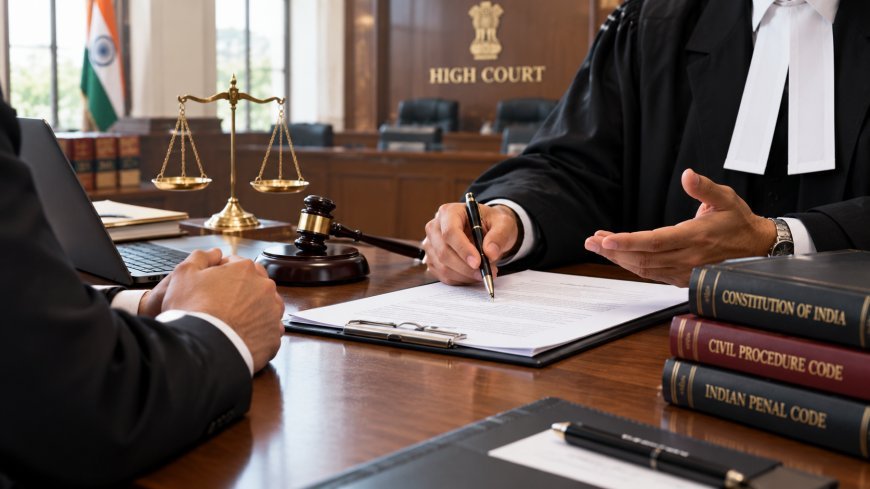
Filing a petition in the High Court is an important step when a person needs legal relief, wants to challenge a lower court decision, or believes that their legal rights have been affected. However, many people are unsure what happens after submission, how hearings are scheduled, or what documents they may need to provide. Understanding the process can help you prepare properly, avoid common mistakes, and respond to court directions within the required time.
An advocate in Chandigarh can help you understand the stages of High Court proceedings, prepare the necessary documents, and respond to procedural requirements. Whether you are filing a writ petition, challenging a judgment, or dealing with a civil or commercial dispute, legal guidance can help you understand your options. The exact process depends on the type of petition, applicable court rules, and the circumstances of your case.
1. What Happens Immediately After Filing a Petition?
Once a petition is submitted, the court registry generally checks whether it complies with applicable filing requirements. This process may include reviewing the prescribed format, supporting documents, court fees, signatures, affidavits, and other procedural requirements.
If the registry identifies errors or missing information, the petitioner may be asked to correct them within the specified period.
How can you avoid delays?
-
Check that all required documents are attached.
-
Verify names, dates, case numbers, and other details.
-
Ensure affidavits and signatures meet applicable requirements.
-
Keep copies of the petition and filing acknowledgment.
-
Respond promptly if the registry raises objections.
Careful preparation can reduce avoidable delays, although acceptance and listing timelines depend on the court's procedures and workload.
2. How Is the Petition Listed for a Hearing?
After filing requirements are satisfied, the petition may be placed before the appropriate court according to the applicable listing procedure. The timing depends on the type of matter, urgency, registry clearance, and the court's schedule.
Some urgent matters may be considered earlier if the court permits urgent listing. Other petitions may take longer to receive a hearing date.
What should you do while waiting?
Keep your filing details accessible, monitor the case status through the relevant court's official services, and stay in contact with your legal representative. If your circumstances change or the matter becomes urgent, ask your advocate whether an appropriate application or request can be made.
Remember that filing a petition does not automatically mean that an immediate hearing will take place.
3. What Happens During the First Hearing?
The first hearing is an important stage in many High Court cases. The court may examine the petition, consider preliminary objections, ask questions, or determine what further steps are necessary.
Depending on the circumstances, the court may:
-
Issue notice to the opposing party.
-
Ask the petitioner to clarify certain facts or legal issues.
-
Direct the parties to submit replies or additional documents.
-
Consider an application for interim relief.
-
Adjourn the matter for further consideration.
-
Dismiss the petition if legally justified.
The outcome of the first hearing varies. In many cases, the court does not decide the entire dispute at this stage.
4. What Happens When the Court Issues Notice?
If the court decides that the opposing party should respond, it may issue notice and specify the next procedural steps. The respondent may be required to submit a reply or counter-affidavit within the applicable timeframe.
The petitioner may then have an opportunity to respond to the opposing party's arguments, where permitted or directed by the court.
How should you prepare?
Review the other party's response carefully with your legal representative. Identify disputed facts, collect relevant supporting documents, and prepare clear answers to the issues raised. Do not ignore court directions or assume that the other party's reply ends the proceedings.
Timely and accurate responses can help the court understand the competing positions.
5. Can You Obtain Immediate Relief From the High Court?
In certain cases, a petitioner may request interim relief while the main petition is pending. Depending on the legal circumstances, this could involve a stay of a challenged order, temporary protection, or an injunction.
For example, a person challenging an order that may cause immediate harm might ask the court to suspend its operation until the matter is considered further.
However, interim relief is not automatic. The court evaluates the applicable legal standards, the urgency of the situation, the supporting evidence, and the potential consequences for the parties.
An advocate in Chandigarh can assess whether interim relief may be appropriate, explain the supporting material required, and help prepare the relevant application. Any relief granted remains subject to the court's directions and applicable law.
6. What Happens During Subsequent Hearings?
After the initial hearing, the case may proceed through additional stages. These can include the exchange of pleadings, consideration of preliminary objections, filing of written submissions, and oral arguments.
The court may also direct the parties to produce records or clarify specific issues. Depending on the matter, hearings may be adjourned to allow compliance with directions or to accommodate the court's schedule.
How can you stay prepared?
-
Maintain an organized file of all case documents.
-
Note every hearing date and court direction.
-
Provide requested information to your legal team promptly.
-
Keep track of deadlines for replies and applications.
-
Ask for clarification whenever you do not understand the next step.
Staying organized helps you respond effectively as the case progresses.
7. How Does the High Court Deliver Its Final Decision?
Once the court has considered the relevant submissions and material, it may pronounce an order or judgment. The decision depends on the facts, applicable law, and legal issues involved.
The court may grant the requested relief, reject the petition, issue directions, or provide another remedy permitted by law. In some cases, the matter may be disposed of on a preliminary or procedural ground without a full determination of every issue.
After the decision, read the order carefully with your legal representative. You may need to comply with specific directions or consider whether any further legal remedy is available. Appeals, reviews, or other proceedings are subject to applicable legal requirements and deadlines.
8. How Can LexJain Help With High Court Proceedings?
Managing a High Court case involves more than filing paperwork. Understanding court procedures, preparing accurate documents, tracking deadlines, and responding to legal developments can all affect how effectively a matter is handled.
LexJain provides legal services across areas including constitutional and writ matters, civil and commercial litigation, corporate law, property disputes, criminal defense, arbitration, mediation, insolvency, labour and employment law, tax litigation, and succession-related matters.
If you are preparing to file a petition or responding to an ongoing case, organizing your documents and seeking appropriate legal advice can help you understand the relevant procedure and available options.
Conclusion
After filing a petition in the High Court, the process may involve registry scrutiny, listing, preliminary hearings, notices, replies, interim applications, arguments, and a final order. The exact sequence and duration depend on the type of case and the court's directions.
If you are uncertain about the next step, consulting an advocate in Chandigarh can help you understand the procedural requirements, prepare for hearings, and identify potential legal remedies. Keep your records organized, follow court directions carefully, and seek timely advice so you can approach your case with greater clarity and confidence.
What's Your Reaction?
 Like
0
 Dislike
0
 Love
0
 Funny
0
 Angry
0
 Sad
0
 Wow
0