
























What Mistakes Should You Avoid When Planning Corporate Events?
Learn how to avoid common corporate event planning mistakes with practical tips on budgeting, venue selection, catering, vendor coordination, and scheduling.
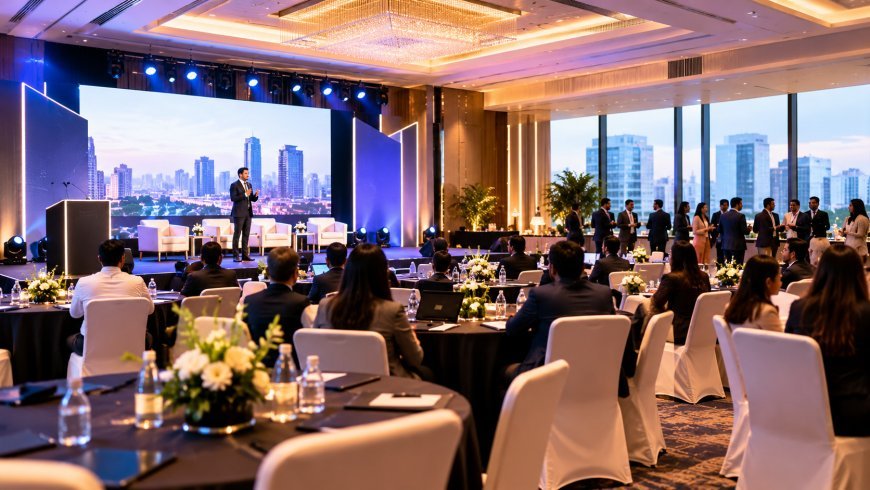
Planning a corporate event requires careful preparation, clear communication, and effective coordination. Businesses organize conferences, product launches, employee gatherings, and networking sessions to build relationships and achieve professional goals. However, poor planning can lead to budget problems, scheduling delays, and dissatisfied guests. Understanding common mistakes helps organizers prepare better and create a smooth experience for everyone attending.
When planning a corporate event in Gurgaon, businesses must consider venue selection, catering, guest requirements, technical equipment, and event schedules. Overlooking these details can create unnecessary stress and affect the overall experience. A structured plan helps companies manage resources, coordinate responsibilities, and organize professional events that meet their objectives.
1. Failing to Define the Event's Purpose
Every corporate event should have a clear objective. Without one, organizers may choose activities that do not match the company's requirements. A product launch needs a different approach from an employee training session or a client networking meeting.
Before making arrangements, identify the event's purpose and target audience. Decide what the company wants to achieve, such as introducing a product, strengthening relationships, or improving employee engagement. Clear objectives help guide decisions about the venue, activities, budget, and schedule.
2. Ignoring the Budget
Unplanned expenses can quickly increase the overall cost of an event. Venue charges, catering, decorations, equipment rentals, transportation, and staffing may exceed expectations when costs are not tracked properly.
Prepare a detailed budget before confirming bookings. Request written quotations from vendors and check whether taxes, delivery, setup, and service charges are included. Keep some money aside for unexpected expenses. Reviewing costs regularly helps businesses control spending without compromising essential event arrangements.
3. Choosing an Unsuitable Venue
A venue may look attractive but lack facilities required for a successful corporate gathering. Limited parking, uncomfortable seating, poor accessibility, and insufficient technical equipment can create difficulties for guests.
Compare venues according to guest capacity, location, accessibility, parking, internet connectivity, and available facilities. Visit the shortlisted locations before booking and check whether they can accommodate presentations, refreshments, and networking activities. Choosing a suitable venue improves convenience and creates a professional impression.
4. Leaving Responsibilities Unclear
When several employees manage an event, confusion can occur if responsibilities are not assigned properly. Tasks such as guest registration, vendor coordination, equipment testing, and speaker management may be delayed or forgotten.
Assign specific duties to team members and set deadlines for each task. Maintain a checklist showing completed activities and pending requirements. Regular communication helps everyone understand their responsibilities and reduces duplicated work. Clear coordination also makes it easier to identify and resolve problems before the event begins.
5. Poor Vendor Coordination
Corporate events often require caterers, decorators, photographers, technical teams, and venue staff to work together. If these providers do not follow the same schedule, delays can affect the entire program.
Working with an experienced event planner in Gurgaon can help businesses coordinate vendors, venue arrangements, event schedules, and guest services. Professional planning can make complicated arrangements easier to manage, particularly when several service providers are involved.
Share a detailed schedule with every vendor and confirm arrival times, setup requirements, and responsibilities in advance. Appoint one coordinator to communicate updates and handle unexpected changes. This approach helps prevent confusion and supports smoother event execution.
6. Overlooking Catering Requirements
Food arrangements can affect guest satisfaction, especially during long meetings and conferences. Insufficient portions, delayed service, or limited menu choices may create inconvenience for attendees.
Choose the menu according to the event duration, guest count, and budget. Discuss vegetarian options, dietary requirements, beverages, and serving times with the caterer. Confirm the final guest numbers before the event and arrange suitable serving stations for larger gatherings. Careful catering coordination helps guests enjoy their meals without interrupting the program.
7. Forgetting Technical Checks
Microphone failures, presentation errors, and unstable internet connections can interrupt important business sessions. These problems may affect the event's professionalism and waste valuable time.
Test microphones, speakers, projectors, screens, and internet connectivity before guests arrive. Keep backup copies of presentations and arrange spare cables or adapters where necessary. Assign someone to manage technical requirements throughout the event so problems can be addressed quickly.
8. Creating an Overloaded Schedule
Including too many presentations, speeches, and activities can make an event tiring. When one session runs longer than expected, it can delay catering, discussions, and other planned activities.
Prepare a realistic agenda with clear start and end times. Prioritize activities that support the event's main purpose and include suitable breaks. Inform speakers about their time limits and assign someone to monitor the schedule. A balanced program helps attendees stay engaged and allows activities to proceed smoothly.
9. Having No Backup Plan
Unexpected weather, vendor delays, equipment problems, or changes in attendance can disrupt even a carefully organized event. Without alternatives, organizers may struggle to respond effectively.
Identify potential risks during the planning stage and prepare practical backup arrangements. Keep vendor contact details accessible, arrange backup equipment where possible, and consider an indoor alternative for outdoor events. Inform the organizing team about emergency responsibilities so everyone knows how to respond if plans change.
10. Ignoring Feedback After the Event
Businesses sometimes finish an event without reviewing its performance. This makes it difficult to identify weaknesses or improve future gatherings.
Collect feedback from attendees and team members after the event. Review attendance, expenses, timing, vendor performance, and any problems that occurred. Record useful lessons and follow up with guests when appropriate. Evaluating results helps businesses improve future planning and deliver better experiences.
Conclusion
Successful corporate events depend on clear objectives, realistic budgets, suitable venues, effective communication, and proper coordination. Avoiding common mistakes helps businesses reduce unnecessary expenses, manage time effectively, and improve guest satisfaction.
By planning early, confirming vendor arrangements, checking technical equipment, and preparing backup solutions, companies can prevent many common problems. Careful preparation also helps create professional gatherings that support business goals and leave employees, clients, and partners with a positive impression.
What's Your Reaction?
 Like
0
 Dislike
0
 Love
0
 Funny
0
 Angry
0
 Sad
0
 Wow
0