























Best Cataract Hospital in Agra: A Complete Guide to Cataract Treatment and Surgery
Cataract is one of the common causes of gradually reduced vision, particularly with increasing age. People experiencing blurred vision, glare, difficulty reading, or problems seeing at night may consider an eye examination to determine whether cataract is affecting their vision. For patients searching for the Best Cataract Hospital in Agra, understanding the diagnosis, treatment options, surgical process, and follow-up care is an important part of making an informed healthcare decision.
Netra Jyoti Kendra provides comprehensive eye-care services, including cataract evaluation and guidance regarding appropriate treatment options based on individual eye health.
What Is a Cataract?
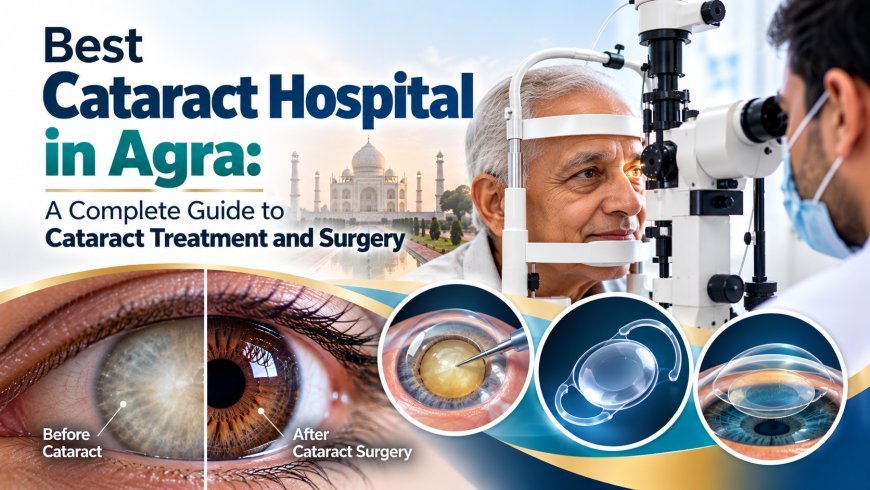
A cataract develops when the natural lens inside the eye becomes cloudy. The lens normally helps focus light onto the retina, allowing us to see clearly. As the lens becomes less transparent, vision can gradually become blurred or hazy.
Cataracts are commonly associated with ageing, but they may also occur due to diabetes, eye injuries, certain medications, previous eye surgery, or other medical conditions. Some people may develop cataracts earlier than expected.
The progression can vary from person to person. An eye examination is therefore important for determining whether symptoms are related to cataract or another eye condition.
Common Symptoms of Cataract
Cataract symptoms may develop gradually and can include:
- Blurred or cloudy vision
- Difficulty seeing in dim light
- Increased sensitivity to bright lights
- Glare while driving at night
- Halos around lights
- Faded or less vibrant colours
- Frequent changes in spectacle prescription
- Difficulty reading or performing close-up tasks
Not every vision problem is caused by cataract. Conditions such as glaucoma, retinal disease, corneal disorders, and refractive errors can produce similar symptoms. A comprehensive examination can help identify the underlying cause.
When Should You Consider Cataract Surgery?
Cataract surgery is generally considered when the cataract begins to interfere with daily activities and affects a person's quality of life.
A person does not necessarily need surgery simply because a cataract has been detected. The decision depends on factors such as the level of visual impairment, symptoms, lifestyle requirements, overall eye health, and the ophthalmologist's clinical assessment.
During consultation, the eye specialist can explain whether monitoring is appropriate or whether surgery should be considered.
Cataract Evaluation in Agra
When looking for the Best Cataract Hospital in Agra, patients should consider the quality of evaluation available before treatment.
A cataract assessment may include:
- Visual acuity testing
- Refraction
- Slit-lamp examination
- Eye-pressure measurement
- Dilated eye examination when required
- Retinal assessment
- Biometry for intraocular lens planning
- Additional diagnostic tests when clinically indicated
These assessments help the ophthalmologist understand the condition of the eye and plan appropriate treatment.
What Happens During Cataract Surgery?
Modern cataract surgery generally involves removing the cloudy natural lens and replacing it with an artificial intraocular lens, commonly known as an IOL.
The procedure is planned according to the patient's eye measurements and clinical requirements. Before surgery, the ophthalmologist discusses the procedure, possible risks, available lens options, and expected recovery.
The exact surgical approach and anaesthesia may vary depending on the patient's condition and the surgeon's assessment.
Understanding Intraocular Lens Options
Choosing an appropriate IOL is an important part of cataract surgery. Different lens designs are available, and not every lens is suitable for every patient.
Depending on individual needs, an ophthalmologist may discuss options such as:
Monofocal IOL
A monofocal lens is designed to provide clear vision at one primary distance. Patients may still require spectacles for certain activities, such as reading, depending on the selected focus and their individual visual needs.
Multifocal or Trifocal IOL
These lenses are designed to provide vision at more than one distance. They may be considered for selected patients after detailed evaluation and discussion of potential advantages and limitations.
Toric IOL
Toric lenses may be considered for patients with significant corneal astigmatism. The decision depends on eye measurements and individual suitability.
The choice of IOL should be based on the patient's visual requirements, eye health, lifestyle, and discussion with the ophthalmologist rather than on a single lens being considered universally suitable.
Why Pre-Surgery Evaluation Matters
A detailed pre-operative examination helps identify conditions that could influence cataract surgery or visual outcomes.
For example, patients may have glaucoma, diabetic retinopathy, macular degeneration, dry eye, corneal disease, or other retinal conditions alongside cataract. Identifying these conditions allows the ophthalmologist to provide more appropriate counselling and treatment planning.
Patients should share their complete medical history and current medications with their eye-care team.
Recovery After Cataract Surgery
Recovery varies from person to person. Patients are generally given specific instructions regarding eye drops, hygiene, physical activity, and follow-up visits.
It is important to use prescribed medications as directed and attend scheduled appointments. Patients should avoid rubbing or pressing the operated eye and should follow the surgeon's recommendations regarding bathing, exercise, driving, and other activities.
Temporary changes in vision or mild irritation may occur after surgery, but patients should contact their eye-care professional if they experience significant pain, sudden reduction in vision, increasing redness, flashes, numerous new floaters, or other concerning symptoms.
How to Choose a Cataract Hospital in Agra
Patients searching for the Best Cataract Hospital in Agra can consider several factors before selecting an eye-care facility.
Experienced Ophthalmic Team
Look for qualified ophthalmologists with appropriate experience in cataract evaluation and surgery. Patients can also ask about the surgeon's area of expertise and the type of cases routinely managed.
Diagnostic Facilities
Accurate measurements and appropriate diagnostic evaluation are important before cataract surgery. Ask whether the facility provides the investigations needed for your individual condition.
IOL Counselling
A good cataract consultation should include a discussion about available IOL options, their advantages and limitations, and whether a particular option is appropriate for your eyes.
Follow-Up Care
Cataract care does not end immediately after surgery. Post-operative examinations help the ophthalmologist monitor healing and identify any concerns requiring attention.
Clear Communication
Patients should feel comfortable asking questions about the procedure, risks, recovery, medications, and follow-up schedule. Clear communication can help patients understand their treatment plan and participate in informed decision-making.
Cataract Care at Netra Jyoti Kendra
Netra Jyoti Kendra in Agra provides eye-care consultation and cataract evaluation for patients experiencing vision changes associated with cataract.
The assessment can help determine whether symptoms are related to cataract and whether surgery may be appropriate. Patients can receive guidance regarding diagnostic evaluation, surgical planning, intraocular lens options, post-operative care, and follow-up according to their individual requirements.
The treatment approach should always be based on the patient's clinical findings rather than on a standard treatment plan for everyone.
Frequently Asked Questions
Is cataract surgery necessary for every cataract patient?
No. The need for surgery depends on the severity of symptoms and how much the cataract affects daily activities. An ophthalmologist can recommend monitoring or surgery after evaluation.
Can cataract return after surgery?
A cataract does not usually develop again in the artificial lens. However, some patients may later develop posterior capsule opacification, which can cause cloudy vision and may be treated with a laser procedure when appropriate.
How do I choose the Best Cataract Hospital in Agra?
Consider qualified ophthalmologists, diagnostic facilities, surgical infrastructure, IOL counselling, transparent communication, and post-operative follow-up rather than relying only on promotional claims.
Can people with diabetes undergo cataract surgery?
People with diabetes can undergo cataract surgery when clinically appropriate. However, blood sugar control and retinal health may need to be assessed as part of the treatment planning process.
Conclusion
Finding the Best Cataract Hospital in Agra should begin with understanding your individual eye-care needs. Cataract treatment involves more than surgery alone. Proper diagnosis, pre-operative assessment, appropriate IOL selection, surgical planning, and follow-up care are all important components of the treatment journey.
If you are experiencing blurred vision, glare, difficulty reading, or reduced night vision, consider scheduling a comprehensive eye examination. Netra Jyoti Kendra can provide cataract evaluation and help patients understand their available treatment options based on their eye health and individual requirements.
Timely professional evaluation can help identify the cause of vision changes and support informed decisions about cataract care.
What's Your Reaction?
 Like
0
Like
0
 Dislike
0
Dislike
0
 Love
0
Love
0
 Funny
0
Funny
0
 Angry
0
Angry
0
 Sad
0
Sad
0
 Wow
0
Wow
0