


















Latin America Smart Metering Market: Key Growth Trends
Explore Latin America smart metering trends, including digitalization, advanced metering infrastructure, grid visibility, data management, and connectivity.

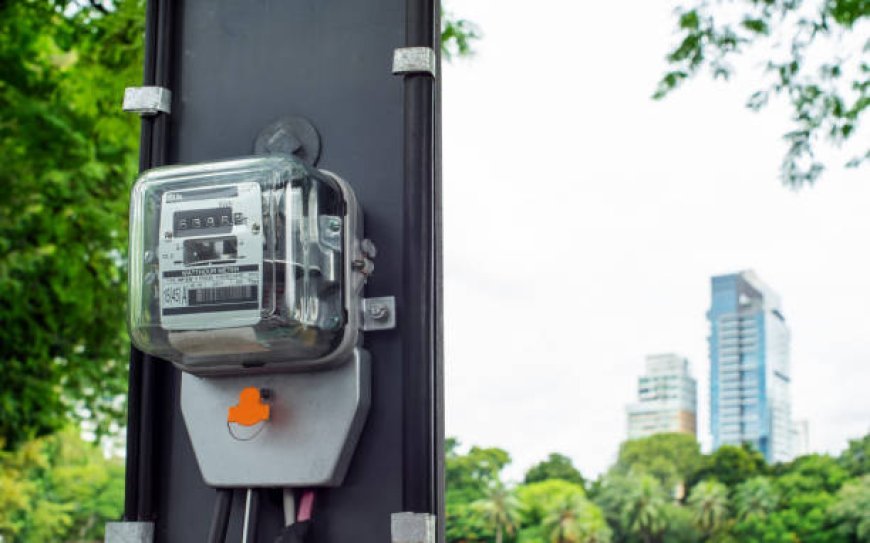
The modernization of electricity systems is increasing the importance of digital measurement, communication, and data management across power networks. Smart metering connects consumption measurement with digital technologies, enabling utilities and consumers to access more detailed information about electricity use. This shift is closely linked with broader efforts to improve grid visibility, operational efficiency, and energy management.
The Latin America Smart Metering Market represents the regional development of smart electricity measurement systems and related technologies used across residential, commercial, and industrial applications. These systems can support automated data collection, consumption monitoring, demand management, and more responsive utility operations. The smart metering industry analysis also covers technologies, components, communication methods, analytical tools, end users, and major country markets across the region.
As electricity networks become more digital, metering is increasingly viewed as part of a wider information infrastructure rather than only a billing mechanism. Smart meters can provide granular consumption information that supports operational planning, customer awareness, and more informed energy-management decisions. Their usefulness therefore depends not only on meter installation but also on communications, data platforms, analytics, and the ability of utilities to integrate information into daily operations.
Digitalization Is Reshaping Electricity Management
One of the central forces behind smart metering adoption is the broader digitalization of energy systems. Modern electricity networks require better visibility into consumption and network conditions, particularly as electricity demand patterns become more complex. The International Energy Agency notes that digital technologies, including smart meters, can collect and analyze energy-use data and help connect information with practical efficiency improvements. International Energy Agency research on energy efficiency and digitalisation highlights this relationship between data, connectivity, and energy-system performance.
For utilities, improved data availability can support activities such as load assessment, consumption forecasting, fault identification, and network planning. Instead of relying primarily on periodic manual readings, connected metering infrastructure can provide more frequent information. This can help electricity providers understand changes in demand and identify areas where network performance requires closer attention.
Residential Consumption Remains an Important Focus
Residential electricity consumption is an important application area because household demand can vary significantly throughout the day. Smart meters can give consumers clearer visibility into how and when electricity is being used. This information can encourage more informed consumption behavior while also providing utilities with data that can support demand-management programs and improved customer services.
The value of residential metering becomes particularly relevant when electricity systems are managing changing demand patterns. Digital consumption information can help utilities distinguish between different usage profiles and improve their understanding of peak periods. When combined with appropriate communication and analytical systems, these capabilities can contribute to more responsive electricity management.
Advanced Metering Supports Grid Visibility
Advanced metering infrastructure represents a broader approach in which meters, communication networks, and data-management systems work together. Unlike basic measurement systems, advanced infrastructure can facilitate two-way communication and enable utilities to use meter information for operational purposes. This creates a link between customer-level consumption data and wider grid-management activities.
The growing relevance of distributed energy resources also strengthens the need for better visibility. Solar generation, energy storage, electric vehicles, and other flexible technologies can change electricity flows across distribution networks. Better metering information can help utilities understand these changes and coordinate supply and demand more effectively. The International Energy Agency identifies digitalization and advanced metering as important tools for improving network visibility and operational control.
Communication Infrastructure Remains Critical
The effectiveness of smart metering depends heavily on reliable communications. Meters need suitable channels to transmit information between customers, utility systems, and data platforms. Depending on local conditions, communication can involve radio frequency systems, power line communication, cellular networks, or other connectivity solutions.
Geographical diversity can make deployment more complex. Urban areas may offer relatively strong communications infrastructure, while remote communities can present different technical and economic conditions. Network operators therefore need to consider coverage, reliability, interoperability, installation requirements, and long-term maintenance when developing smart metering infrastructure.
Data Management Is Becoming More Important
Collecting meter readings is only one part of digital energy management. The information generated by connected meters needs to be stored, processed, analyzed, and translated into operational insights. Data platforms can support applications such as consumption forecasting, preventive analysis, predictive analysis, billing management, and customer engagement.
Data governance and cybersecurity also become increasingly important as metering systems become more connected. Utilities must protect customer information while maintaining reliable communication between field equipment and centralized systems. Interoperability is another consideration because meters, communication technologies, software platforms, and grid-management systems need to exchange information effectively.
Country-Level Conditions Will Shape Adoption
Smart metering development across Latin America is unlikely to follow a single uniform path. Countries differ in electricity infrastructure, regulatory priorities, urbanization, renewable-energy deployment, communications availability, and utility modernization strategies. These differences can influence both the pace and form of smart metering deployment.
Markets such as Mexico, Brazil, Argentina, Chile, Colombia, and Peru have distinct electricity-system characteristics and infrastructure requirements. Consequently, the adoption of smart meters may depend on local grid conditions and the specific objectives of utilities and regulators. Regional development is therefore better understood through country-level infrastructure and policy conditions rather than through a single adoption model.
The Outlook for Smarter Energy Networks
The long-term relevance of smart metering is closely connected with the wider modernization of electricity networks. As utilities seek greater visibility, consumers demand better information, and distributed energy resources become more integrated into grids, connected measurement systems can provide an important layer of operational data. The strongest outcomes are likely to depend on how effectively metering is integrated with communications, analytics, cybersecurity, and broader grid-management platforms.
Smart metering consequently represents more than an upgrade to conventional electricity measurement. Its role is expanding toward data-enabled energy management, where accurate consumption information can support planning, efficiency, customer engagement, and grid operations. For Latin American electricity systems, the interaction between digital infrastructure, communications capability, regulatory development, and evolving energy demand will remain important in shaping the direction of smart metering adoption.
What's Your Reaction?
 Like
0
Like
0
 Dislike
0
Dislike
0
 Love
0
Love
0
 Funny
0
Funny
0
 Angry
0
Angry
0
 Sad
0
Sad
0
 Wow
0
Wow
0