






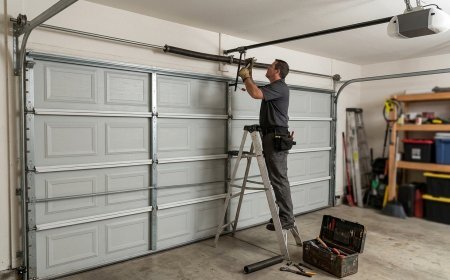


















Broken Garage Door Spring Repair What Owners Should Know
Learn the warning signs of a broken garage door spring, the risks of DIY repairs, replacement steps, repair costs, and ways to maintain your door.

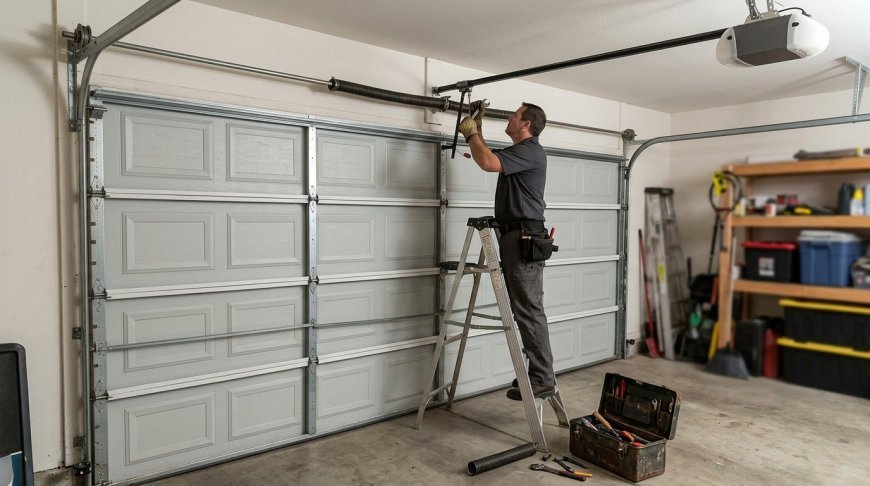
A broken garage door spring can stop your door from opening or closing safely. The spring supports the door's weight and helps it move smoothly. When it breaks, the door may feel unusually heavy, sit unevenly, or make a loud bang. Professional inspection helps identify the damage and determine the right repair.
Garage door springs Repair work under high tension. A damaged spring can create serious safety risks if handled incorrectly. Understanding the warning signs, repair process, and maintenance needs can help homeowners make safer decisions and avoid further damage.
What Happens When a Garage Door Spring Breaks?
A broken garage door spring prevents the door from moving as it should. Springs balance the door's weight, allowing the opener to lift and lower it with less effort. When a spring fails, the door may become difficult to move or stop working altogether.
Garage door spring problems often appear without much warning. You might hear a sudden bang from the garage, notice a visible gap in the spring, or find that the door will not open fully. These signs usually mean the spring needs professional attention.
Why Garage Door Springs Matter
Garage door springs store and release energy as the door moves. This support helps the opener work within its designed limits. Without proper spring tension, the opener may struggle or suffer damage.
Two main spring types are used in residential garage doors:
-
Torsion springs: These sit above the garage door and twist to store energy.
-
Extension springs: These usually run along the sides of the door tracks and stretch as the door moves.
Each type works differently and requires the correct repair method. The spring's size, design, and lifting capacity must match the door.
What Are the Warning Signs of a Damaged Spring?
The most common warning signs include a door that feels heavy, uneven movement, unusual noises, or a spring with a visible break. Recognising these symptoms early can help prevent further damage to the garage door system.
A garage door with a faulty spring may also open only a few inches before stopping. In some cases, the opener runs but cannot lift the door. If you notice these problems, stop using the door until it has been inspected.
Common Symptoms to Watch For
Look for these signs when checking the garage door from a safe distance:
-
A loud bang: A spring may break suddenly and sound like something heavy falling.
-
A visible gap: A torsion spring may show a clear separation between its coils.
-
Uneven movement: One side of the door may rise higher than the other.
-
A heavy door: The door may become difficult to lift because the spring no longer supports its weight.
-
Opener problems: The motor may strain, stop, or reverse during operation.
-
Loose cables: A spring failure can affect the lifting cables and related hardware.
Do not touch the spring or cables to confirm the damage. These parts can remain under dangerous tension even when the door is stationary.
Why Should You Avoid DIY Spring Repairs?
Garage door springs can store enough energy to cause severe injuries if they release suddenly. Repairing them requires suitable tools, knowledge of the spring system, and careful control of the stored tension. For most homeowners, professional repair is the safer option.
Attempting Broken Spring Repair without the right training can lead to serious harm. Winding cones, cables, brackets, and other parts may move unexpectedly during the work. An incorrect spring can also leave the door unbalanced and place extra strain on the opener.
What Can Go Wrong During DIY Repairs?
Several risks make spring replacement different from ordinary home maintenance.
-
Sudden release of tension: A spring can unwind with considerable force.
-
Incorrect spring selection: The wrong size or lifting rating may prevent proper door balance.
-
Cable damage: Poor handling can cause cables to slip or become tangled.
-
Door movement: An unsupported door can fall unexpectedly.
-
Further equipment damage: Incorrect repairs can affect the opener, tracks, rollers, and mounting hardware.
Avoid pulling the emergency release if the door is open or only partly supported. Releasing the opener can allow an unbalanced door to move unexpectedly. Keep children and pets away and arrange a qualified inspection.
How Does Professional Spring Replacement Work?
Professional spring replacement involves checking the door, identifying the failed component, fitting the correct replacement, and testing the system. The technician should also inspect related parts to see whether the failure has damaged other components.
The process for garage door spring replacement service depends on the door's design and condition. A technician will consider the spring type, door weight, available space, and condition of the cables and lifting hardware before choosing a repair method.
Steps Involved in the Repair
A typical repair follows several stages.
-
Inspect the door: The technician checks the spring, cables, tracks, rollers, and opener for signs of damage.
-
Confirm the spring type: The replacement must match the door's requirements and lifting system.
-
Secure the door: The technician takes steps to prevent unexpected movement during the repair.
-
Replace the damaged part: The failed spring is removed and replaced using suitable tools and procedures.
-
Set the spring tension: The technician adjusts the system according to the door's specifications.
-
Test the door: The door is checked for smooth travel, proper balance, and safe opener operation.
The technician may recommend replacing both springs on a two-spring system if one has failed and the other shows similar wear. The decision depends on their condition and the system's design.
What Affects the Cost of Garage Door Spring Repair?
The cost depends on the spring type, door design, parts needed, labour, and any related damage. A simple spring replacement may cost less than a repair that also requires new cables, rollers, or opener components.
The price of garage door spring replacement can also vary with the size and weight of the door. Heavy garage doors may need springs with different specifications from those used on standard residential doors. Access difficulties and the need for additional parts can affect the final quote.
Questions to Ask Before Approving the Work
Ask the technician for a clear breakdown of the proposed repair. This helps you understand what the quote covers and whether other parts need attention.
Useful questions include:
-
Which spring has failed, and what type is installed?
-
Does the quote include parts, labour, and testing?
-
Are the cables or other lifting parts damaged?
-
Is replacing both springs advisable for this system?
-
What warranty applies to the replacement parts and labour?
-
Are there any additional charges I should know about?
Avoid choosing a repair based on price alone. The spring must suit the door, and the completed system should be tested properly.
How Can You Reduce the Risk of Future Spring Problems?
Regular inspection and sensible garage door use can help identify wear before a spring fails. However, springs have a limited service life, and maintenance cannot prevent every break.
During routine checks, look for visible rust, gaps in torsion springs, frayed cables, or changes in how the door moves. If the door starts making new noises or becomes uneven, arrange an inspection rather than waiting for the problem to worsen.
Simple Garage Door Maintenance Tips
These habits can help keep the door system in better condition:
-
Keep tracks clear: Remove loose dirt and objects that may interfere with door movement.
-
Watch for changes: Pay attention to new noises, shaking, or uneven travel.
-
Follow the manufacturer's guidance: Use the recommended care and inspection schedule.
-
Arrange professional checks: Have worn springs, cables, and rollers assessed by a qualified technician.
-
Avoid overusing a faulty door: Stop operation if the opener strains or the door becomes unbalanced.
Do not try to tighten spring hardware or apply lubricant to parts without checking the manufacturer's instructions. Some components require specific products and procedures. Regular care can help reveal problems, but it cannot make a damaged spring safe to use.
Conclusion
A broken garage door spring can affect the door's balance, damage the opener, and create a risk of injury. Recognising the warning signs and avoiding unsafe handling can help protect people and property. Professional Broken Spring Repair restores the spring system so the door can operate as intended.
If your garage door suddenly becomes heavy, moves unevenly, or stops opening, do not force it. Keep the area clear and arrange an inspection. The right replacement spring and proper testing can help restore safe and reliable operation.
FAQ
Can I open my garage door if the spring is broken?
It is safer to leave the door closed and arrange a repair. The opener may not be able to support the door's weight, and the door could move or fall unexpectedly.
How long does garage door spring replacement take?
The time depends on the spring system, door condition, and any related damage. A straightforward replacement may take around an hour or two, but complicated repairs can take longer.
Should both garage door springs be replaced together?
Not always, but replacing both may be sensible when they are part of the same system and have experienced similar wear. A technician can assess the remaining spring and explain the options.
Can a garage door opener lift a door with a broken spring?
Some openers may move the door slightly, but operating them can strain or damage the motor and other parts. Do not use the opener to force the door open.
What causes garage door springs to break?
Springs commonly fail through repeated use and metal fatigue. Rust, wear, poor spring selection, and unsuitable door balance can also contribute to problems.
Is a broken garage door spring an emergency?
It can be a safety issue, particularly if the door is open, unstable, or blocking access. Keep people away from the door and contact a qualified repair technician promptly.
What's Your Reaction?
 Like
0
Like
0
 Dislike
0
Dislike
0
 Love
0
Love
0
 Funny
0
Funny
0
 Angry
0
Angry
0
 Sad
0
Sad
0
 Wow
0
Wow
0