

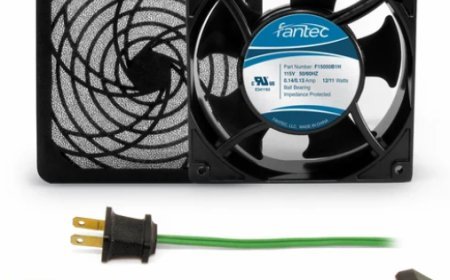























Cabinet Cooling Fan with Thermostat: Reliable Temperature Control for Electrical Cabinets
A cabinet cooling fan with thermostat provides an effective way to maintain suitable temperatures by automatically controlling airflow when the enclosure becomes too hot.

Electrical cabinets and enclosures often contain equipment that generates heat during daily operation. If this heat is not managed properly, it can affect the performance, efficiency, and lifespan of electrical components. A cabinet cooling fan with thermostat provides an effective way to maintain suitable temperatures by automatically controlling airflow when the enclosure becomes too hot.
Unlike standard cooling fans that operate continuously, thermostat-controlled cooling fans respond to temperature changes. They help maintain consistent ventilation while reducing unnecessary fan operation. For industrial facilities, electrical panels, and electronic equipment enclosures, this makes temperature management easier and more efficient.
Why Choose a Cabinet Cooling Fan with Thermostat?
A cabinet cooling fan with thermostat combines ventilation with automatic temperature control. The thermostat monitors the temperature inside the enclosure and activates the fan when the temperature reaches the selected setting.
Once the temperature drops to the desired level, the thermostat can switch the fan off. This automatic operation helps prevent excessive heat buildup without requiring constant manual monitoring.
Some important benefits include:
-
Automatic Temperature Control: The thermostat activates the cooling fan when additional ventilation is needed.
-
Equipment Protection: Proper airflow helps reduce heat buildup around sensitive electrical and electronic components.
-
Energy Efficiency: The fan operates according to temperature requirements instead of running continuously.
-
Improved Air Circulation: Consistent ventilation helps move hot air away from important equipment.
-
Convenient Operation: Automatic switching reduces the need for manual fan control.
How Does a Cabinet Cooling Fan Thermostat Work?
A cabinet cooling fan thermostat works by monitoring the temperature inside an electrical enclosure. When the temperature reaches the preset limit, the thermostat activates the connected cooling fan.
The fan then pulls cooler air into the cabinet or pushes hot air out, depending on the ventilation arrangement. As the internal temperature decreases, the thermostat switches the fan off according to its operating settings.
This process helps maintain a more stable temperature inside the enclosure.
For example, an electrical cabinet installed in a manufacturing facility may experience higher temperatures during periods of heavy equipment operation. A thermostat-controlled fan can automatically respond to these changes and provide additional ventilation when required.
Cooling Fans for Electronics Cabinet Applications
Cooling fans for electronics cabinet installations are important for protecting equipment that produces heat during operation. Electrical panels, control systems, communication equipment, and industrial automation devices all require suitable ventilation.
Without proper airflow, heat can accumulate inside enclosed spaces and affect sensitive components.
Thermostat-controlled ventilation is useful in applications such as:
-
Industrial electrical control panels
-
Server and communication cabinets
-
Manufacturing equipment enclosures
-
Power distribution cabinets
-
Automation and control systems
-
Electronic equipment housings
Selecting the right cooling fan depends on cabinet dimensions, internal heat generation, airflow requirements, and installation conditions.
What to Consider When Selecting a Thermostat Fan
Choosing the right thermostat fan requires more than checking its size. The cooling system should match the enclosure's ventilation needs and operating environment.
1. Temperature Settings
Check the thermostat's temperature range and switching settings. Select a suitable activation temperature based on the equipment manufacturer's operating recommendations.
2. Airflow Capacity
The fan should provide sufficient airflow to remove accumulated heat. Consider the enclosure size, heat output, and ventilation openings before selecting a fan.
3. Fan Compatibility
Check the fan dimensions, voltage requirements, mounting arrangement, and electrical specifications to ensure compatibility with the cabinet.
4. Operating Environment
Consider dust, humidity, and other environmental conditions. Appropriate filtration and enclosure protection can help maintain reliable operation.
5. Exhaust and Intake Arrangement
A cooling system should provide a suitable path for fresh air to enter and warm air to escape. Proper intake and exhaust positioning can improve overall ventilation.
Attic Exhaust Fan with Thermostat: Understanding Its Application
An attic exhaust fan with thermostat uses temperature-based automatic control to remove hot air from attic spaces. When the temperature reaches the selected setting, the thermostat activates the exhaust fan to improve air circulation.
Although attic exhaust fans and electrical cabinet cooling fans serve different applications, they share a similar operating principle: automatic ventilation based on temperature.
For electrical enclosures, a thermostat-controlled cabinet cooling system is designed to manage heat around electrical and electronic components. For residential attic spaces, exhaust fans help remove accumulated hot air from the roof area.
Choosing a fan designed for the intended application is important for safe and effective operation.
Why Automatic Temperature Control Matters for Electrical Enclosures
Electrical equipment often operates for extended periods, generating heat that needs to be managed. Running a cooling fan continuously may provide airflow, but it can also result in unnecessary operation when temperatures are already within an acceptable range.
A thermostat-controlled system offers a more responsive approach.
By activating ventilation when needed, it helps maintain suitable operating conditions and supports efficient enclosure cooling. It can also reduce unnecessary fan runtime, depending on the installation and operating environment.
For facilities managing multiple electrical cabinets, automatic temperature control can make ventilation management more convenient.
Find Cabinet Cooling Fan Kits with Thermostat at GardTec Online
Choosing a suitable cooling solution is essential for maintaining airflow and managing heat inside electrical enclosures. GardTec Online offers cabinet cooling fan kits with thermostat options for applications that require temperature-controlled ventilation.
Whether you are upgrading an existing electrical cabinet or planning a new enclosure cooling installation, selecting the right fan kit can help support reliable equipment operation.
Explore the available options here: Cabinet Cooling Fan Kits with Thermostat.
Frequently Asked Questions
1. What is a cabinet cooling fan with thermostat?
A cabinet cooling fan with thermostat is a ventilation system that automatically switches the fan on or off based on the temperature inside an electrical enclosure. It helps manage heat without requiring continuous manual operation.
2. How does a cabinet cooling fan thermostat work?
It monitors the enclosure temperature and activates the cooling fan when the temperature reaches a preset level. The fan switches off when the temperature decreases according to the thermostat settings.
3. Why are cooling fans for electronics cabinet installations important?
These fans help remove excess heat from electrical and electronic enclosures. Proper ventilation supports suitable operating temperatures and helps protect sensitive components from excessive heat.
4. Can a thermostat fan reduce energy consumption?
A thermostat fan can reduce unnecessary operating time because it runs when cooling is required rather than operating continuously. Actual energy savings depend on the installation and usage conditions.
5. Where should a cabinet cooling fan be installed?
The fan should be installed in a suitable ventilation position based on the cabinet design. Intake and exhaust locations should support effective airflow throughout the enclosure.
6. What is the difference between an exhaust fan and a cooling fan?
A cooling fan generally provides airflow to reduce heat buildup, while an exhaust fan removes warm air from an enclosed space. Many cabinet cooling systems use both intake and exhaust components.
7. Is an attic exhaust fan with thermostat suitable for electrical cabinets?
Not necessarily. Attic exhaust fans are designed for attic ventilation, while electrical cabinets require fans specifically designed for enclosure cooling. Always select equipment according to the intended application.
8. How do I choose the right thermostat fan?
Consider the cabinet size, required airflow, temperature settings, voltage, mounting dimensions, and environmental conditions. These factors help determine which cooling fan kit is suitable for your application.
What's Your Reaction?
 Like
0
 Dislike
0
 Love
0
 Funny
0
 Angry
0
 Sad
0
 Wow
0