



















Cannabis Dispensary Guide to Understanding Product Options
Understand cannabis product types, THC and CBD labels, serving sizes, and safety points so you can compare options and make informed shopping decisions.

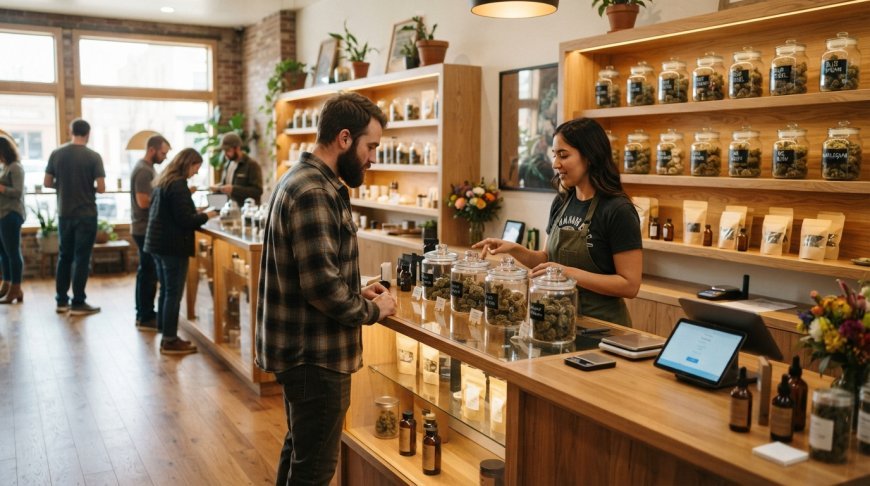
Before buying anything, learn how products are labelled, what ingredients they contain, and which questions to ask about their effects and safe storage.A cannabis dispensary can offer several types of products, each with different forms, strengths, ingredients, and ways of use. Understanding these differences helps adults make informed choices based on product labels, personal preferences, and local laws.
Understanding the Product Choices Available
A cannabis dispensary may carry dried flower, pre-rolls, edibles, oils, concentrates, vape products, and topical items, depending on local regulations. Each type has different features. Flower is generally used by inhalation, while edibles are eaten and topicals are applied to the skin. Oils and concentrates vary in their ingredients and intended use. Knowing these basic differences makes it easier to compare products without relying only on packaging or appearance.
The range of Cannabis dispensary products can vary by shop, product rules, and available stock. Some products contain more THC, which causes intoxication, while others contain more CBD, a cannabinoid that does not usually produce the same intoxicating effect. Some products contain both. Read the label carefully and check the listed ingredients, cannabinoid amounts, serving information, and warnings before deciding whether a product suits your needs.
How Product Forms Differ From One Another
Different product forms can affect how quickly effects begin, how long they last, and how much control a person has over the amount used. Inhaled products generally produce effects more quickly than edible products. Edibles must pass through the digestive system, so their effects may take longer to appear and can last much longer. These differences matter because taking more too soon can lead to unwanted effects.
Product form also affects storage, handling, and convenience. Dried flower and pre-rolls require suitable storage to protect them from moisture and heat. Edibles need clear serving labels and secure storage away from children and pets. Oils and concentrates may require careful handling because their strength can vary. Compare the product format with its label instructions rather than assuming that similar-looking items have similar effects.
Reading Labels Before Making a Choice
Product labels provide useful details about contents and strength. Look for the total THC and CBD amounts, serving size, ingredient list, manufacturer information, batch details, and any required safety warnings. The amount listed for an entire package may differ greatly from the amount in one serving. Check the units carefully, especially when comparing products sold in different forms.
Labels can also explain storage requirements and use restrictions. In regulated markets, products may carry testing or tracking information, but the exact details depend on local rules. Do not treat attractive packaging or a high THC figure as proof of quality or suitability. If a label is unclear, ask the staff to explain it. If important information is missing, consider waiting until you can verify what the product contains.
Comparing THC and CBD Content
THC and CBD are two different cannabinoids found in cannabis. THC is the main compound responsible for the typical intoxicating effects. CBD does not usually cause the same high, although products containing CBD may still have other effects and can interact with some medicines. Understanding which cannabinoid a product contains helps you read its label and recognise the differences between available options.
When comparing products, check both the amount and the basis of the measurement. A package may show the total cannabinoid content, while a serving label gives the amount for a smaller portion. Products with the same total THC may still differ in how they are used and how quickly their effects begin. Strength alone cannot predict an individual's response, so avoid assuming that a higher number means a better choice.
Understanding Edibles and Their Serving Sizes
Edibles include items such as gummies, chocolates, baked goods, and infused beverages where permitted. Their effects may take 30 minutes to two hours or longer to become noticeable, and the timing can vary with the product and individual factors. Unlike inhaled cannabis, edibles may continue to produce effects for several hours. This delay makes label instructions especially important when reviewing serving sizes.
Check how much THC is present in one serving and how many servings are in the package. Do not assume that one sweet or one piece always equals one serving. Avoid taking additional amounts simply because the first effects have not appeared. Keep all edible products in their original packaging and store them securely away from children and pets. Never leave them where someone could mistake them for ordinary food.
What to Know About Flower, Pre-Rolls, and Concentrates
Dried flower consists of harvested cannabis buds that have been prepared for use. Pre-rolls contain ground flower rolled into a paper tube, offering a ready-made format. Concentrates are products made to contain more concentrated cannabis compounds than ordinary flower. Their strength and consistency can vary, so the label is particularly important when comparing them.
Appearance and smell alone cannot confirm a product's safety, cannabinoid content, or testing status. Look for clear packaging information and any required testing details. Concentrates may contain much higher levels of THC than flower, which can increase the risk of intense unwanted effects. People who choose to use cannabis should understand these differences and avoid driving or operating machinery while impaired.
Oils, Vape Products, and Topical Options
Cannabis oils can differ in cannabinoid content, carrier ingredients, and intended route of use. A product made for oral use should not automatically be used in a vape device or applied to the skin. Vape products also vary in formulation and concentration. Check the label for ingredients and intended use, and avoid products with unclear contents or uncertain sources.
Topicals are designed for application to the skin and may include creams, balms, or lotions. Their ingredients and intended uses differ from those of products meant to be inhaled or swallowed. Do not assume that every topical product has the same effects or that all products containing CBD are free from risks. Follow the product directions, check for known ingredient sensitivities, and ask a qualified health professional about possible medicine interactions when relevant.
Making Sense of the Dispensary Shopping Experience
A useful Cannabis dispensary experience should give customers access to clear product information and answers to basic questions. Staff may explain product categories, label terms, available formats, and local purchase rules. You can ask what the package contains, how its strength is measured, and whether the product has the information required by local regulations. Clear answers are more useful than broad claims about a product being the strongest or most popular.
Prepare a few questions before visiting. Decide which product details you need to understand, and take time to compare labels rather than rushing a decision. If staff cannot explain the contents or intended use clearly, do not feel pressured to buy. Dispensary cannabis shopping should involve checking facts, understanding restrictions, and recognising your own limits. A responsible purchase begins with information, not an impulse or a promotional claim.
How to Compare Products Without Relying on Marketing
Comparing products is easier when you use the same criteria for each option. Start with the product type, THC and CBD content, serving size, ingredients, and intended route of use. Then check the price per package and, where relevant, the amount per labelled serving. This approach helps you understand what the price covers without assuming that a more expensive product has better quality or will produce a preferred effect.
You can also compare packaging, storage needs, and available testing information. For example, two edible products may have different package sizes or serving amounts even when their front labels look similar. Read the full label before comparing them. Keep your decision focused on verified product details and legal requirements, not only on flavour names, brand design, or claims that a product is unusually strong.
Important Safety Points Before Buying
Cannabis can affect attention, memory, coordination, judgement, and reaction time. THC can also cause anxiety, confusion, dizziness, or other unwanted effects, particularly when the amount is high or a person is sensitive to it. Avoid combining cannabis with alcohol or other intoxicating substances. Do not drive or operate machinery while impaired, and keep products locked away from children and pets.
People who are pregnant or breastfeeding should avoid cannabis. Anyone taking prescription medicines, managing a health condition, or unsure about possible risks should speak with a qualified health professional before use. Laws also vary by location, including rules on age, possession, consumption, and product types. Check current local requirements rather than assuming that a product sold in one area is legal everywhere.
Conclusion
Understanding product forms, labels, cannabinoid content, and safety information can make shopping more informed. Compare verified details instead of relying on appearance, price, or marketing claims. A Cannabis Dispensary can provide product information, but buyers should check labels, follow local laws, and seek qualified advice when needed. Taking time to understand the options helps adults make decisions with greater care and awareness.
FAQ
What products can I find at a cannabis dispensary?
Depending on local laws and stock, options may include dried flower, pre-rolls, edibles, oils, concentrates, vape products, and topicals. Availability and permitted product types vary by location.
How can I compare the strength of different products?
Read the THC and CBD amounts and check whether the figures refer to one serving or the whole package. Remember that strength does not predict exactly how a product will affect each person.
Are edibles different from inhaled cannabis?
Yes. Edibles take longer to produce noticeable effects because they pass through the digestive system. Their effects can also last longer, so taking extra amounts too soon can increase the risk of an unpleasant experience.
What should I ask dispensary staff before buying?
Ask about ingredients, cannabinoid amounts, serving sizes, intended use, storage, and any available testing information. You can also ask them to explain label details that you do not understand.
How should cannabis products be stored?
Follow the package instructions and keep products in their original, clearly labelled containers. Store them securely in a cool, suitable place away from children, pets, heat, and moisture. Edibles should never be left where they could be mistaken for ordinary food.
What's Your Reaction?
 Like
0
Like
0
 Dislike
0
Dislike
0
 Love
0
Love
0
 Funny
0
Funny
0
 Angry
0
Angry
0
 Sad
0
Sad
0
 Wow
0
Wow
0