




























How Are Rear-End Collision Claims Handled in McAllen, Texas?
Rear-end collisions are among the most common types of car accidents in McAllen, Texas. They can happen at traffic lights, stop signs, busy intersections, or during sudden traffic slowdowns. Although these crashes may appear straightforward, determining who is responsible and recovering compensation can sometimes become complicated.
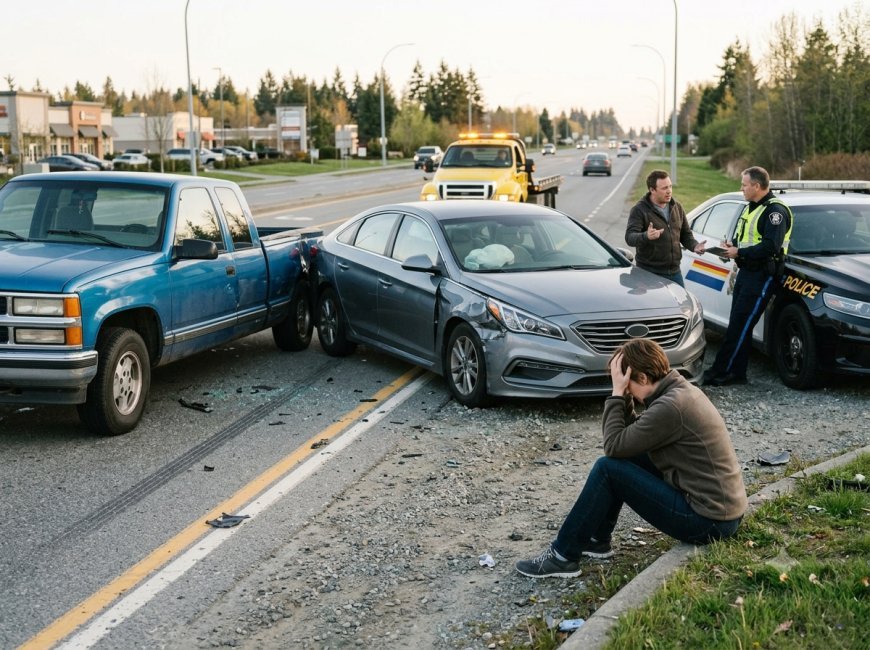
Rear-end collisions are among the most common types of car accidents in McAllen, Texas. They can happen at traffic lights, stop signs, busy intersections, or during sudden traffic slowdowns. Although these crashes may appear straightforward, determining who is responsible and recovering compensation can sometimes become complicated.
If you have been injured in a rear-end collision, understanding how these claims are handled can help you protect your rights and make informed decisions.
Who Is Usually Responsible for a Rear-End Collision?
In many rear-end crashes, the driver who strikes the vehicle in front is considered responsible because drivers are generally expected to maintain a safe following distance and pay attention to traffic conditions.
However, liability is not automatically established simply because one vehicle hit another from behind. Evidence from the accident must be reviewed to determine what actually happened.
Factors that may affect liability include:
- Speeding or following too closely
- Distracted driving
- Failure to stop at a traffic signal
- Driving while impaired
- Sudden or unexpected traffic conditions
- Vehicle defects or mechanical problems
- Actions of the driver who was struck
Texas follows a modified comparative responsibility system. This means that fault can be divided among parties when multiple people contributed to an accident. The amount of compensation may be reduced according to the injured person's percentage of responsibility.
What Evidence Can Help Support a Claim?
Evidence can play an important role in a McAllen rear-end collision claim. After an accident, drivers should document as much information as safely possible.
Useful evidence may include:
- Police or crash reports
- Photographs of vehicle damage
- Photos of the accident scene
- Medical records and bills
- Witness contact information
- Insurance information
- Traffic or surveillance camera footage
- Vehicle repair estimates
- Employment and income records if the injury caused lost wages
Medical documentation is particularly important when injuries develop or become more noticeable after the crash. Some injuries, including whiplash and soft-tissue injuries, may not produce significant symptoms immediately.
How Does Insurance Handle a Rear-End Collision?
After a collision, insurance companies will generally investigate the accident and determine how liability and damages should be handled. Texas requires drivers to maintain financial responsibility, commonly through automobile liability insurance. State-required minimum coverage includes $30,000 for bodily injury to one person, $60,000 for bodily injury to two or more people, and $25,000 for property damage in one collision.
An insurance adjuster may request information about the accident, medical treatment, vehicle damage, and other losses. It is important to provide accurate information, but injured individuals should also be careful about giving statements that could later be interpreted as an admission of fault.
Insurance companies may dispute liability or the value of a claim, particularly when injuries are serious or multiple vehicles are involved.
What Compensation May Be Available?
Depending on the circumstances, an injured person may seek compensation for losses connected to the accident. Potential damages can include:
- Medical expenses
- Future medical treatment
- Lost wages
- Reduced earning capacity
- Property damage
- Physical pain
- Emotional distress
The amount and type of compensation available depends on the facts of the individual case, the injuries involved, available insurance coverage, and the determination of liability.
Why Should You Document Your Injuries?
Keeping records after a rear-end collision can make it easier to demonstrate how the accident affected you. Follow your healthcare provider's treatment recommendations and keep copies of medical bills, prescriptions, appointment records, and other related documentation.
It can also help to maintain records of missed work and other financial losses resulting from the accident.
When Should You Speak With a McAllen Car Accident Lawyer?
A rear-end collision involving minor property damage may sometimes be resolved through an insurance claim. However, legal guidance may be useful when there are significant injuries, disputed liability, multiple vehicles, uninsured or underinsured drivers, or disagreements with an insurance company.
A car accident lawyer in McAllen can review the available evidence, explain the claims process, communicate with insurance companies, and help determine what legal options may be available. Having legal guidance can also help an injured person understand important deadlines and the types of compensation that may apply to their situation.
Conclusion
Rear-end collision claims in McAllen can involve more than simply determining which vehicle was hit from behind. Liability, insurance coverage, medical evidence, property damage, and comparative responsibility can all affect the outcome of a claim.
If you have been injured in a rear-end accident, documenting the crash, seeking appropriate medical care, preserving evidence, and understanding your legal options can help you protect your interests while pursuing compensation.
What's Your Reaction?
 Like
0
Like
0
 Dislike
0
Dislike
0
 Love
0
Love
0
 Funny
0
Funny
0
 Angry
0
Angry
0
 Sad
0
Sad
0
 Wow
0
Wow
0