









Custom Embroidered Patches in Los Angeles: Types, Prices and How to Order

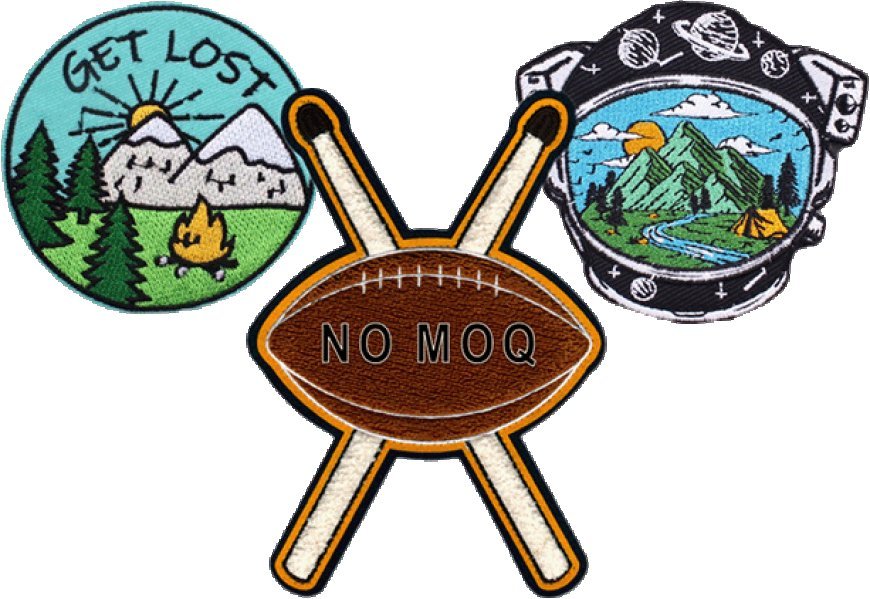
Los Angeles runs on personal style. Patches show up on varsity jackets in Venice, hats at Dodger games, and work uniforms across the San Fernando Valley. They also mark film crew gear, skate crews, school teams, and small brands. If you want to add one to your wardrobe or your business, this guide covers the main types, what they cost, and how to order.
What Are Custom Embroidered Patches?
A custom embroidered patch is a piece of fabric, usually twill or felt, with a design stitched in thread. The edge is typically finished with a border, called a merrow edge, which stops fraying and gives the patch its clean outline. Patches can be round, square, or cut into nearly any shape, and they can be attached to jackets, caps, bags, and uniforms.
Why Choose Embroidery?
- Durability: Stitched thread holds up to washing, sun, and daily wear better than printed designs, which can crack or fade.
- Texture: Raised stitching gives a premium, tactile look that printing can't match.
- Flexibility: You choose the size, shape, colors, and backing to suit the garment and the job.
- Brand value: A neat embroidered logo on a uniform or cap looks professional and makes a brand memorable.
Popular Types of Patches
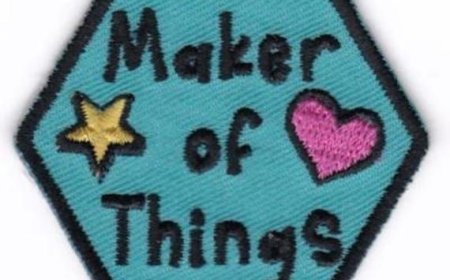
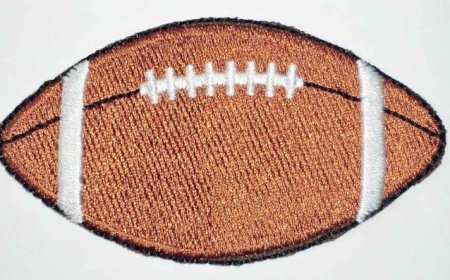
Standard embroidered patches are the go-to choice for clubs, businesses, and personal projects. They handle text and detailed logos well.
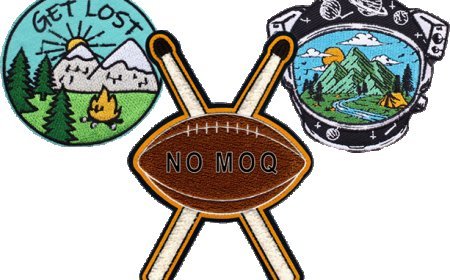
Chenille patches have a fuzzy, raised texture and are the classic letterman-jacket look. Schools, college teams, and streetwear brands favor them because they're bold and nostalgic.
Woven patches use finer thread, which makes them a good fit for small text and intricate artwork.
PVC and rubber patches are waterproof and sturdy, popular for outdoor gear, tactical bags, and workwear.
Leather patches suit hats, denim, and beanies, giving a rugged, premium feel.
Iron-on, sew-on, and Velcro backings are all available. Iron-on is quickest, sewing is most permanent, and Velcro lets you swap patches freely.
Typical Price Ranges
Prices vary with size, stitch count, number of colors, backing, and quantity. As a rough guide:
- Standard embroidered patches: about $1 to $6 each, dropping as the quantity rises.
- Chenille patches: about $5 to $10 each, since they take more material and labor.
- Complex or oversized designs: more, because of higher stitch counts and extra thread changes.
Bulk orders almost always get tiered discounts. Ask for quotes at several quantities, because the price per patch often falls sharply between 50 and 100 pieces. These figures are estimates, so confirm current pricing with your supplier.
Where to Get Your Patches
Buyers usually choose among three routes:
- Local embroidery shops. Good for small runs and in-person consultations, though prices and turnaround vary.
- Online marketplaces such as Etsy or Amazon. Convenient, with lots of sellers, but quality is uneven, so check reviews and sample photos.
- Dedicated online producers. These specialize in patches, offer free mockups and design help, and ship anywhere.
If you're still figuring out the best options for Where to Buy Patches in Los Angeles, compare at least three suppliers on proof quality, minimum order, turnaround, and reviews before you commit.
How to Order Step by Step
- Finalize your artwork. A vector file (AI, SVG, or high-resolution PDF) works best, but many producers can clean up a rough sketch.
- Pick the patch type. Embroidered for versatility, chenille for a varsity look, PVC for weather resistance.
- Choose size and shape. Keep fine details large enough to stitch cleanly, since tiny text can blur.
- Select the backing. Iron-on, sew-on, or Velcro, depending on the garment.
- Approve the proof. Check spelling, colors, and proportions before production begins.
- Plan for timing. Standard production often takes one to two weeks, and rush options usually cost extra.
Tips for a Better Result
- Limit the color count. Fewer thread colors lower the price and sharpen the design.
- Avoid very thin lines and tiny text. Embroidery needs some breathing room.
- Order a sample first if the project matters, such as a full uniform run.
- Match the patch size to the garment. Around 3 inches suits a cap front, while jacket backs can go much larger.
Why Work With a Specialist
A dedicated patches maker like Rush Patch can guide you through materials, stitch density, and backing choices so the finished product matches your vision. Look for one that offers free mockups, clear proofs, bulk pricing, and a range of types under one roof, from embroidered and woven to PVC, leather, and chenille.
Frequently Asked Questions
How long do custom patches take?
Usually around one to two weeks, depending on complexity and quantity. Rush production is often available for a fee.
Can I get a sample before a big order?
Many producers offer samples or digital proofs. Ask before you place a large order.
What's the difference between embroidered and chenille patches?
Embroidered patches are flat, stitched designs. Chenille patches have a raised, fuzzy texture, like those on varsity jackets.
Which backing should I choose?
Sew-on lasts longest, iron-on is quick and easy, and Velcro is best when you want to change patches often.
Is there a minimum order?
It depends on the supplier. Some set minimums, while others offer low or no minimums for small projects.
Final Thoughts
Custom patches are an affordable way to add personality, build a brand, or outfit a team. Decide on the patch type, get your artwork ready, compare quotes and proofs, and you'll end up with something durable that looks great on anything you stitch it to.
What's Your Reaction?
 Like
0
Like
0
 Dislike
0
Dislike
0
 Love
0
Love
0
 Funny
0
Funny
0
 Angry
0
Angry
0
 Sad
0
Sad
0
 Wow
0
Wow
0