



















Dog Separation Anxiety Trainer: A Practical Guide
Learn how a dog separation anxiety trainer can help reduce stress, build confidence, and create calmer alone time with practical training techniques.
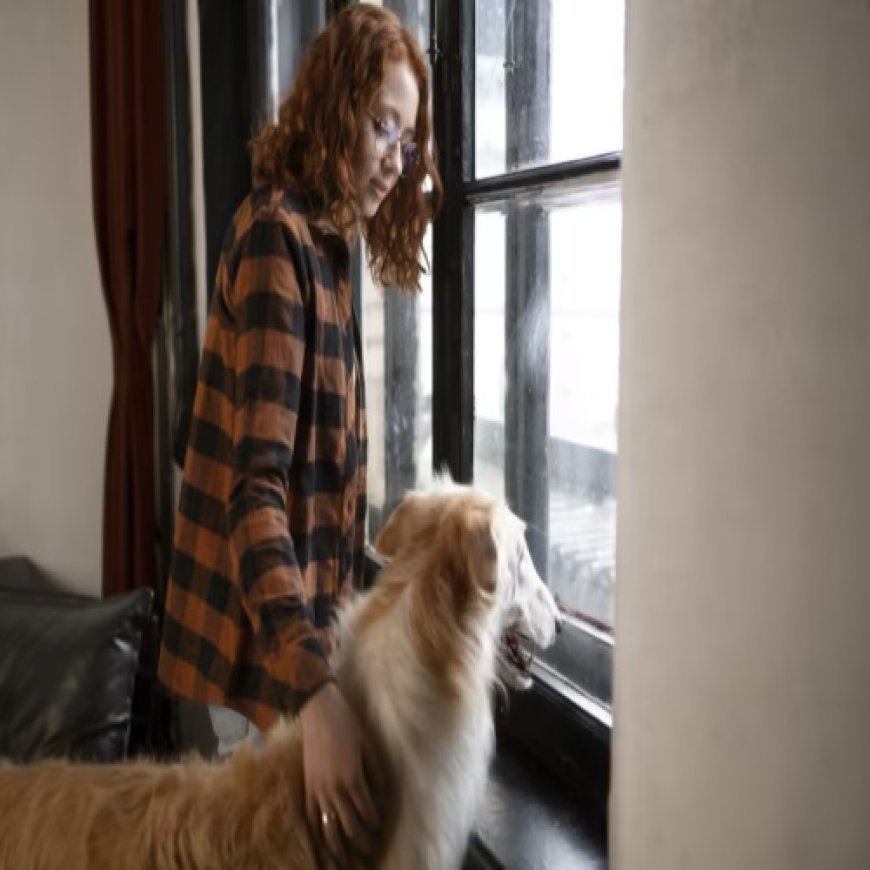
Does your dog bark, whine, pace, scratch doors, or become distressed when you leave? These behaviors may be signs of separation anxiety rather than simple boredom or disobedience. Working with a dog separation anxiety trainer can help you understand what triggers your dog's stress and create a gradual plan for building confidence.
Separation-related behaviors can be frustrating for owners, but punishment usually does not address the reason behind the behavior. Instead, effective training focuses on helping dogs feel safe when they are alone.
With consistent routines, gradual practice, and the right support, many dogs can learn that being alone is temporary and manageable.
What Is Dog Separation Anxiety?
Separation anxiety occurs when a dog experiences significant stress when separated from a person they are strongly attached to. The signs can appear shortly after an owner leaves or even when the dog notices departure-related cues.
Common signs include:
-
Excessive barking, whining, or howling
-
Scratching or chewing doors and windows
-
Destructive behavior when left alone
-
Pacing or restlessness
-
Attempts to escape
-
Indoor accidents despite being house-trained
-
Excessive drooling or panting
-
Following family members constantly before departure
Not every destructive behavior means a dog has separation anxiety. A professional assessment can help determine whether anxiety, boredom, lack of training, fear, or another issue may be contributing.
How a Dog Separation Anxiety Trainer Can Help
A qualified dog separation anxiety trainer focuses on changing how a dog responds to being alone rather than simply stopping unwanted behavior.
Training often begins by identifying the dog's current comfort level. For example, one dog may become anxious when an owner picks up the keys, while another may remain comfortable for several minutes after the person leaves.
Build Alone-Time Tolerance Gradually
One important principle is gradual exposure. Instead of immediately expecting a distressed dog to remain alone for an extended period, training starts with manageable absences.
The process may involve:
-
Identifying the dog's stress signals.
-
Practicing very short periods of separation.
-
Returning before the dog becomes highly distressed.
-
Slowly increasing the duration over time.
-
Repeating sessions consistently.
The exact pace depends on the individual dog. Moving too quickly can make training harder, so patience matters.
Dog Crate Training for Separation Anxiety
Dog crate training for separation anxiety can be useful for some dogs, but a crate should never be used as a punishment or forced solution.
A crate should become a comfortable, familiar space before it is used during periods of separation. Dogs should have positive experiences with the crate while their owners are still home.
Helpful steps can include:
-
Feeding meals near or inside the crate when appropriate
-
Providing safe enrichment
-
Practicing brief periods of calm crate time
-
Keeping departures low-key
-
Increasing duration gradually
However, not every dog benefits from being confined during separation. If a dog panics in a crate, forcing longer confinement may increase distress. A trainer can help determine whether crate training fits the dog's needs.
Practical Tips for Separation Anxiety Dog Training Near Me
When searching for separation anxiety dog training near me, look for a trainer who evaluates the individual dog's behavior rather than offering a one-size-fits-all program.
Before starting, consider asking:
-
Does the trainer have experience with separation-related behaviors?
-
Do they explain the training process clearly?
-
Do they use gradual, reward-based techniques?
-
Can they identify possible triggers?
-
Will they teach the owner how to continue training between sessions?
-
Do they recognize when veterinary support may be appropriate?
Consistency at home is just as important as the training session itself. Keep departures and arrivals calm, follow the recommended practice schedule, and track your dog's progress.
Common Mistakes to Avoid
Separation anxiety training can take time. Avoid these common mistakes:
Leaving for Too Long Too Soon
If your dog becomes distressed after five minutes, repeatedly leaving for an hour is unlikely to teach calm independence. Training should begin within the dog's current comfort zone.
Punishing Destructive Behavior
Your dog may not be destroying something to "get revenge." Punishment after you return can increase fear or confusion without teaching the desired behavior.
Making Departures Dramatic
Long goodbyes can make leaving feel like a major event. Calm, predictable departures can help create a more neutral routine.
Expecting Instant Results
Progress is rarely perfectly linear. Some dogs improve quickly, while others need more gradual practice. Look for small improvements rather than expecting anxiety to disappear overnight.
When Should You Get Professional Help?
Professional guidance is particularly useful when your dog's behavior is severe, persistent, or difficult to manage safely.
A trainer can help create a structured plan based on your dog's behavior, environment, routine, and current tolerance for separation.
If your dog shows extreme distress, injures themselves while attempting to escape, refuses food, or displays other concerning symptoms, speak with your veterinarian. A veterinarian can help determine whether medical or behavioral support is also appropriate.
Frequently Asked Questions
1. What does a dog separation anxiety trainer do?
A dog separation anxiety trainer evaluates separation-related behaviors and creates gradual exercises designed to help a dog become more comfortable spending time alone.
2. Can separation anxiety be completely cured?
The outcome varies between dogs. Training can help reduce distress and improve a dog's ability to cope with alone time, but progress depends on factors such as severity, consistency, environment, and individual temperament.
3. Is dog crate training good for separation anxiety?
It can be helpful for some dogs when the crate is already a positive, comfortable space. It should not be used to force a highly distressed dog to remain confined.
4. How long does separation anxiety training take?
There is no universal timeline. Some dogs show progress relatively quickly, while others need a longer period of gradual practice. Moving at the dog's pace is important.
5. How can I find separation anxiety dog training near me?
Search for trainers with specific experience in separation-related behaviors. Ask about their training methods, assessment process, and how they involve owners in the program.
6. Should I punish my dog for destroying things while I am away?
No. Punishment after the fact does not teach a dog how to remain calm alone and may increase fear or stress.
Conclusion
Helping a dog overcome separation-related stress requires patience, consistency, and a thoughtful training plan. A qualified dog separation anxiety trainer can identify triggers, establish realistic goals, and teach owners practical techniques for building calm independence.
At Marquis Dog Training, the focus is on helping families create calmer homes through individualized, lifestyle-focused training. If your dog struggles when left alone, an in-home assessment can be a useful first step toward understanding the behavior and creating a practical training plan.
What's Your Reaction?
 Like
0
Like
0
 Dislike
0
Dislike
0
 Love
0
Love
0
 Funny
0
Funny
0
 Angry
0
Angry
0
 Sad
0
Sad
0
 Wow
0
Wow
0