



















Is an Islamic Cap Required for Prayer? What to Know Today
Learn whether an Islamic cap is required for prayer, its meaning in Islam, popular styles like kufi and taqiyah, and how to choose the right cap for comfort and traditional Muslim clothing.

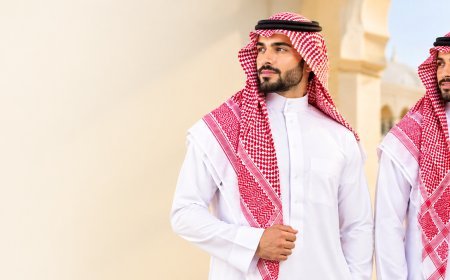
Walk into any mosque on a Friday and you will see many heads covered with small, neat caps. A lot of young men look at them and wonder if they need one too. If you have ever asked yourself, "Do I have to wear an islamic cap to pray?", you are in good company. This is one of the most common questions people type into search bars and ask on forums. In this guide, we will answer it in plain words. We will also talk about where the cap came from, how to wear it, and how to pick one that fits your life.
The short story is that this little cap is simple, kind, and full of meaning. Let us take it one step at a time.

The Short Answer Most People Are Looking For
No, the cap is not a must for your prayer to count. Scholars agree that a man can pray with his head bare and his prayer is still valid. Nobody has to feel worried or guilty if they forgot their cap at home.
But many Muslims love to wear one when they stand before Allah. They see it as a sign of respect, a bit like dressing neatly for an important meeting. Many scholars call it a good habit, and some call it a Sunnah way of dressing. So it is not a rule, but it is a lovely choice.
Why the Question Keeps Coming Up
People wonder about this because they see the cap in so many places. It shows up at the mosque, at weddings, on Eid mornings, and at funerals. When something appears that often, it is natural to think it must be required. Knowing the difference between a rule and a habit helps you feel calm about it.
A Small Hat with a Long Story
The cap has been around for hundreds of years. Men in the Middle East, Africa, South Asia, and Central Asia have worn it for a very long time. Over the years, each place gave it a style of its own.
One Cap, Many Names
The name changes from country to country. Here are the ones you will hear most:
-
Taqiyah: The Arabic word for a short, round cap.
-
Kufi: A name often used in the United States, the United Kingdom, and parts of Africa.
-
Topi: The word used in Pakistan and India. It simply means "cap" in Urdu and Hindi.
-
Kopiah: The name people use in Malaysia.
So when your uncle in Lahore says "topi" and your friend in Lagos says "kufi," they are talking about the same kind of cap. The shapes and colors may differ, but the heart of it stays the same.
How the Look Changed Over Time
In some places, the cap is flat and round. In others, it is tall and tube-shaped. Some are woven from soft cotton, and some are stitched with gold thread. Each one tells you a little about the people who made it and the land they come from.
Why Many Men Choose to Wear One
People wear the cap for different reasons. Some do it for faith, some for family, and some just because it feels right. Here are the reasons we hear most often.
A Reminder During the Day
When you feel something on your head, you remember who you are and what you are doing. For many men, the cap is a gentle nudge to slow down, stay humble, and think before they speak.
A Way to Show Respect
Most people dress up a little for big moments. The cap works the same way when going to prayer. It says, "I came prepared, and I take this seriously."
A Link to Family and Culture
Many men remember their grandfather or father wearing one. Putting it on feels like holding hands with the past. A cap can be a small gift passed down from one generation to the next.
Does It Mean Anything to Others?
To people who see you, the cap is a quiet sign of your faith. It can start friendly talks, too. Some men say that strangers at the airport or at work have walked up to say salaam just because they noticed the cap.
How to Wear It the Right Way
There is no hard test here. Still, a few simple tips can help you look neat and feel comfortable.
Start at the Hairline
A widely shared view in Hanafi teaching is that the cap sits best when it starts at the hairline, the way many pious people have worn it. You do not need to pull it down low on your forehead or push it way back on your head. Keep it level and gentle.
Get the Size Right
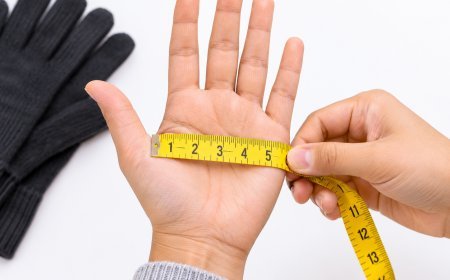
A cap that is too tight gives you a headache during a long sermon. A cap that is too loose slides off when you bow. Measure around your head, just above your eyebrows and ears, with a soft tape. Then match that number to the size chart. If you are between two sizes, pick the larger one, since cotton and knit styles often relax a little with wear.
Keep It Clean and Tidy
A clean cap shows care. Fold it flat in your pocket or bag so it keeps its shape. If it has stitching, avoid crushing it under heavy things.
Picking a Style You Will Wear Every Day
There are so many styles that it is easy to feel lost. Let us break them into simple groups.
Knit and Crochet Caps
These are light, soft, and easy to wash. They are a great pick for the summer months, since the tiny holes let air pass through. They also fold flat, which makes them perfect for a pocket.
Embroidered Caps
These carry patterns of flowers, stars, or lines. They look wonderful on Eid, at weddings, and on Fridays. Because the stitching can be fragile, treat them with care.
Plain White Caps
This is the classic choice. It goes with nearly every outfit and every season. If you are starting out and want just one, a plain white cap is a safe place to begin.
A Quick Word on Colors
White is the most common color, but black, navy, grey, and brown are loved too. Darker shades look sharp with formal wear, while lighter ones feel fresh on a warm day. Pick what you like and what matches the clothes you wear most.
What Goes Well with the Cap
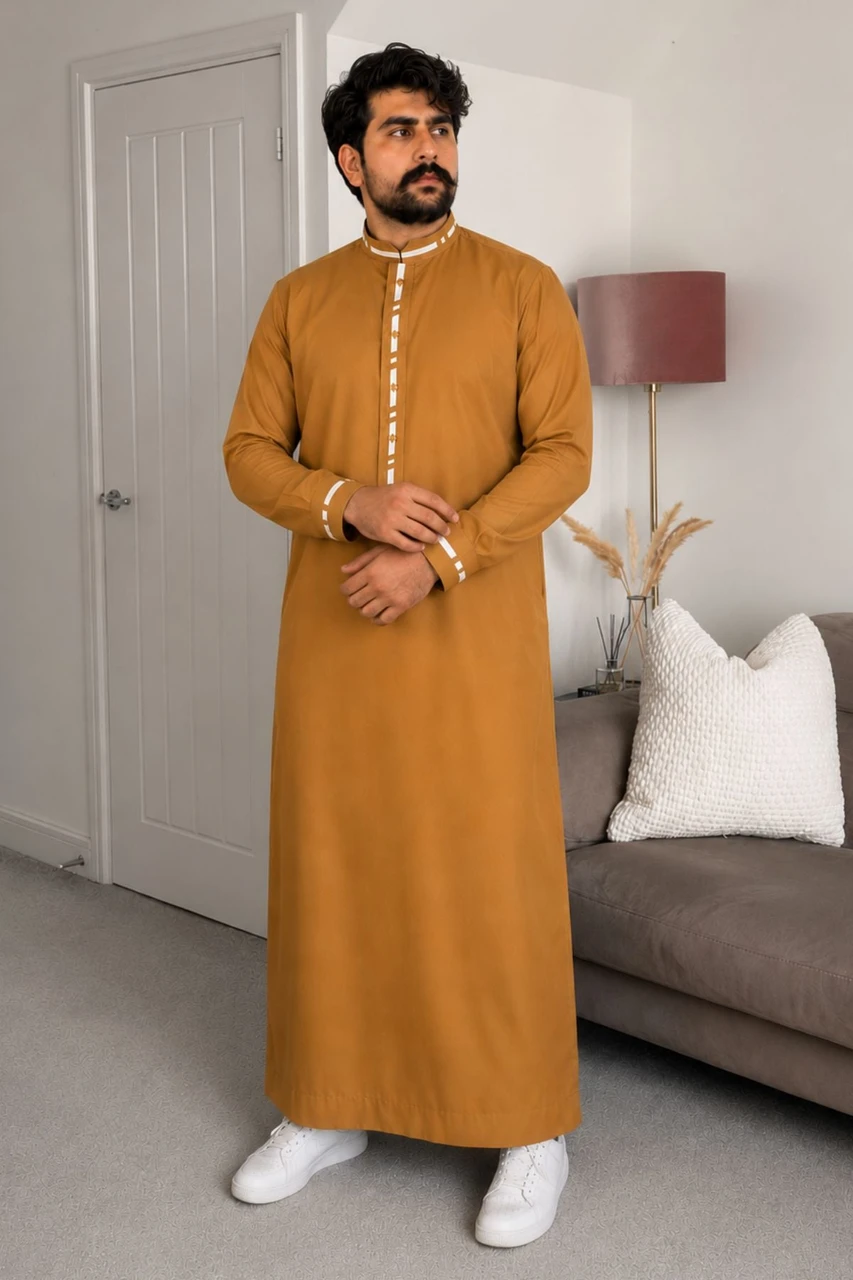
A cap looks best when the rest of your outfit is neat, too. Many men pair it with a long robe, a kurta, or a simple shirt and loose trousers. If you enjoy dressing in traditional muslim clothes, the cap is the natural finishing touch. It ties the whole look together, from your head to your shoes.
Match the Cap to the Moment
-
Daily prayers: A soft knit or plain cotton cap is easy and comfortable.
-
Friday prayer: Choose a clean, bright cap that you feel good in.
-
Eid and weddings: This is the time for embroidered or richly stitched styles.
-
Funerals: A plain, darker cap keeps things quiet and respectful.
Keep the Look Simple
You do not need a closet full of caps. Two or three, one plain and one fancy, can cover almost every day of the year. A simple outfit with a cap that fits well will always look better than a crowded one with too many pieces.
How to Care for Your Cap
A good cap can last for years if you treat it kindly. Here is an easy routine:
-
Wash by hand. Use cool water and a little mild soap.
-
Do not wring it. Press the water out gently with a towel.
-
Dry it flat. Hanging it can stretch the shape.
-
Store it with care. Keep it in a drawer or a small box away from damp spots.
-
Check the stitching. Fix any loose thread before it grows into a hole.
For embroidered caps, spot clean only. Water can dull the thread and cause colors to run.
Mix-Ups People Still Believe
A few wrong ideas float around, so let us clear them up.
"My Prayer Does Not Count Without It"
This is not true. Your prayer is valid with or without a cap. The cap is a good habit, not a condition.
"Only Old Men Wear It"
Young boys, teens, and men of every age wear caps now. Many kids get their first one at a young age, and it becomes a proud moment.
"All Caps Are the Same"
The shape, thickness, and size can change a lot from one cap to the next. A cap that works well in hot weather may feel too warm in winter, so it helps to have a couple of choices.
Final Thoughts
So, is the cap required for prayer? No, it is not. Is it a beautiful habit that many Muslims enjoy? Yes, it is. Whether you wear one every day or only on special days, what matters most is your heart and your effort. If you decide to start, pick a cap that fits well, feels soft, and makes you smile when you put it on. Small habits like this can make your prayer time feel a little more special.
FAQs About the Islamic Cap
Is it mandatory to wear a cap while praying?
No. A man's prayer is valid without a cap. Wearing one is a recommended habit for many Muslims, but it is not a rule that must be followed.
What is the difference between a kufi, a taqiyah, and a topi?
These are mostly different names for the same kind of short cap. "Taqiyah" is the Arabic word, "kufi" is common in the West and Africa, and "topi" is used in South Asia. Styles may vary a bit by region.
What does the cap symbolize in Islam?
It stands for humility, respect, and unity. Many men wear it as a reminder to stay mindful in prayer and in daily life.
How should a man wear the cap properly?
Place it level, starting from the hairline, so it sits neatly and stays comfortable. Make sure the size is right so it does not slip when you bow or kneel.
Can women wear an Islamic cap?
Most caps are made for men. Women usually cover their hair with a scarf, called a hijab, but some wear soft caps under it for comfort.
What color should I pick?
There is no fixed color. White is the most common, while black, navy, and brown are also popular. Choose a shade that suits your outfit and the occasion.
What is the best cap to wear with a thobe?
A plain white or softly embroidered cap pairs well with a thobe. At Ethobe, we suggest picking a clean shape and a shade that matches your robe so the whole outfit looks calm and put together.
How do I know which size to pick?
Measure around your head above your eyebrows and ears, then match it to a size chart. If you land between sizes, go with the larger one for comfort.
What's Your Reaction?
 Like
0
 Dislike
0
 Love
0
 Funny
0
 Angry
0
 Sad
0
 Wow
0