






















How to Choose a Tablecloth for a Dining Table in a Minimalist Home
Discover how to choose a tablecloth for a minimalist dining room. Explore neutral colors, simple patterns, fabric textures, and sizing tips for a clean, balanced look.

Introduction
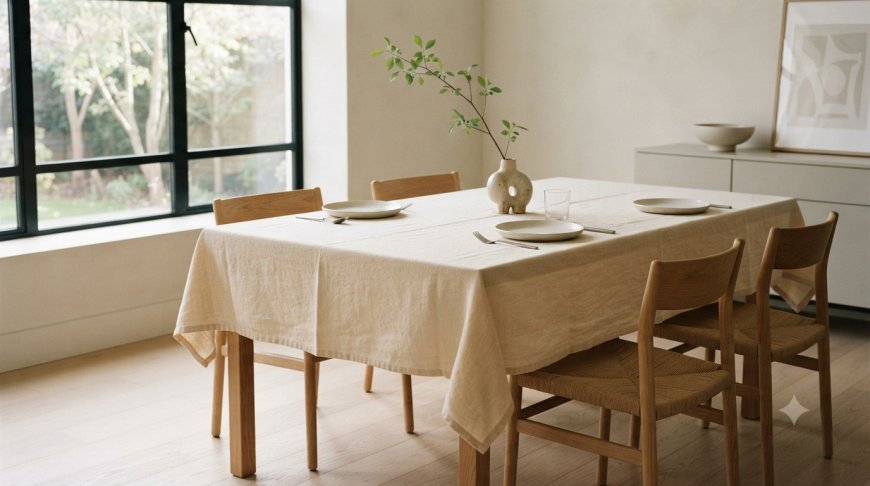
A minimalist dining room is built around simplicity, thoughtful details, and a sense of calm. Clean lines, uncluttered surfaces, and a restrained color palette help create a space that feels comfortable without being overly decorated. A tablecloth can fit naturally into this style when its color, texture, and proportions are chosen with care.
Rather than becoming the main feature of the room, the tablecloth can add softness and warmth to the dining table. It can also help protect the surface during everyday meals while keeping the overall design cohesive.
The key is to choose a covering that complements the room’s simplicity instead of competing with it.
1. Start With a Simple Color Palette
Minimalist interiors often use a limited range of colors. Before choosing a tablecloth, look at the dining room’s existing shades, including the walls, furniture, flooring, and nearby decor.
White, cream, beige, soft gray, and muted earth tones can work well in a minimalist setting. These shades create a subtle foundation and allow the table’s shape and surrounding furniture to remain visible.
A table cloth in a neutral shade can help maintain a calm atmosphere while adding a little texture. If the room is mostly white, a warm beige or natural tone can prevent the dining area from feeling too stark.
2. Use Texture Instead of Bold Patterns
Minimalist design does not have to feel plain. Texture can add visual interest without introducing too many colors or decorative details.
A woven cotton fabric, subtle slub texture, or understated finish can create depth while keeping the table setting simple. Consider how the fabric looks in natural light and how it complements the dining table’s surface.
A cotton table cloth can introduce a soft, natural texture that works well with wood, stone, or simple painted furniture.
If you prefer a pattern, choose something restrained, such as a small check or delicate stripe. Keep the rest of the table setting simple so the overall look remains balanced.
3. Choose the Right Tablecloth Size
A minimalist room often emphasizes clean lines and balanced proportions. A tablecloth that is too large or too small can disrupt the appearance of the dining area.
Measure the tabletop before selecting a covering. For a rectangular table, add twice the desired drop to the length and width. For example, a table measuring 60 inches long and 36 inches wide with an 8-inch drop requires a finished tablecloth measuring 76 by 52 inches.
For round tables, measure the diameter and add twice the desired drop. Round table cloths can create a balanced appearance when the fabric falls evenly around the edge.
A moderate drop is often a practical choice for a minimalist dining room because it keeps the table looking neat without adding excess fabric.
4. Match the Tablecloth to the Table Shape
The table’s shape influences how the fabric falls and how the dining area feels.
A rectangular table often suits a clean, linear arrangement. A rectangle table cloth can provide consistent coverage along the sides and ends, helping maintain the table’s proportions.
Square tables can benefit from a covering that falls evenly on each side. For a compact dining space, avoid excessive fabric that may make the table appear visually heavy.
If the table has an attractive wood grain or distinctive finish, consider a simple covering that allows some of its character to remain part of the room.
5. Keep the Table Setting Uncluttered
A minimalist tablecloth works best when the surrounding accessories are selected carefully. Instead of filling the table with decorative objects, choose a few useful or meaningful pieces.
A small ceramic vase, a simple bowl, or a low arrangement of greenery can add interest without crowding the surface. Neutral dinnerware and understated cloth napkins can reinforce the room’s calm appearance.
Leave enough open space for plates, serving dishes, and comfortable dining. A clear tabletop can make the room feel more spacious and help the tablecloth’s texture stand out.
6. Consider the Dining Room’s Materials
Minimalist rooms often combine a small number of materials, such as wood, metal, glass, or stone. The tablecloth can help soften these surfaces.
A natural cotton texture can complement a wooden dining table. On a glass or stone tabletop, a fabric covering can introduce warmth and make the dining area feel more inviting.
If the chairs are upholstered, consider whether the tablecloth should match their tone or provide a subtle contrast. A shared neutral color can create continuity, while a slightly different shade can add depth without disrupting the overall palette.
7. Keep Everyday Care Simple
A minimalist dining room should be easy to maintain. Choose a tablecloth that fits your daily routine and can be cleaned according to its care instructions.
Remove crumbs after meals and address spills promptly when appropriate. Check the fabric label before washing, since different materials and finishes may require different care.
Make sure the tablecloth is fully dry before folding or storing it. A simple care routine helps keep the dining area looking neat and ready for everyday use.
Conclusion
A tablecloth can complement a minimalist dining room by adding texture, warmth, and practical coverage without creating visual clutter. Choose a restrained color, measure for a balanced drop, and keep accessories simple. With thoughtful styling, a tablecloth from All Cotton and Linen can help create a dining space that feels calm, comfortable, and inviting.
What's Your Reaction?
 Like
0
 Dislike
0
 Love
0
 Funny
0
 Angry
0
 Sad
0
 Wow
0